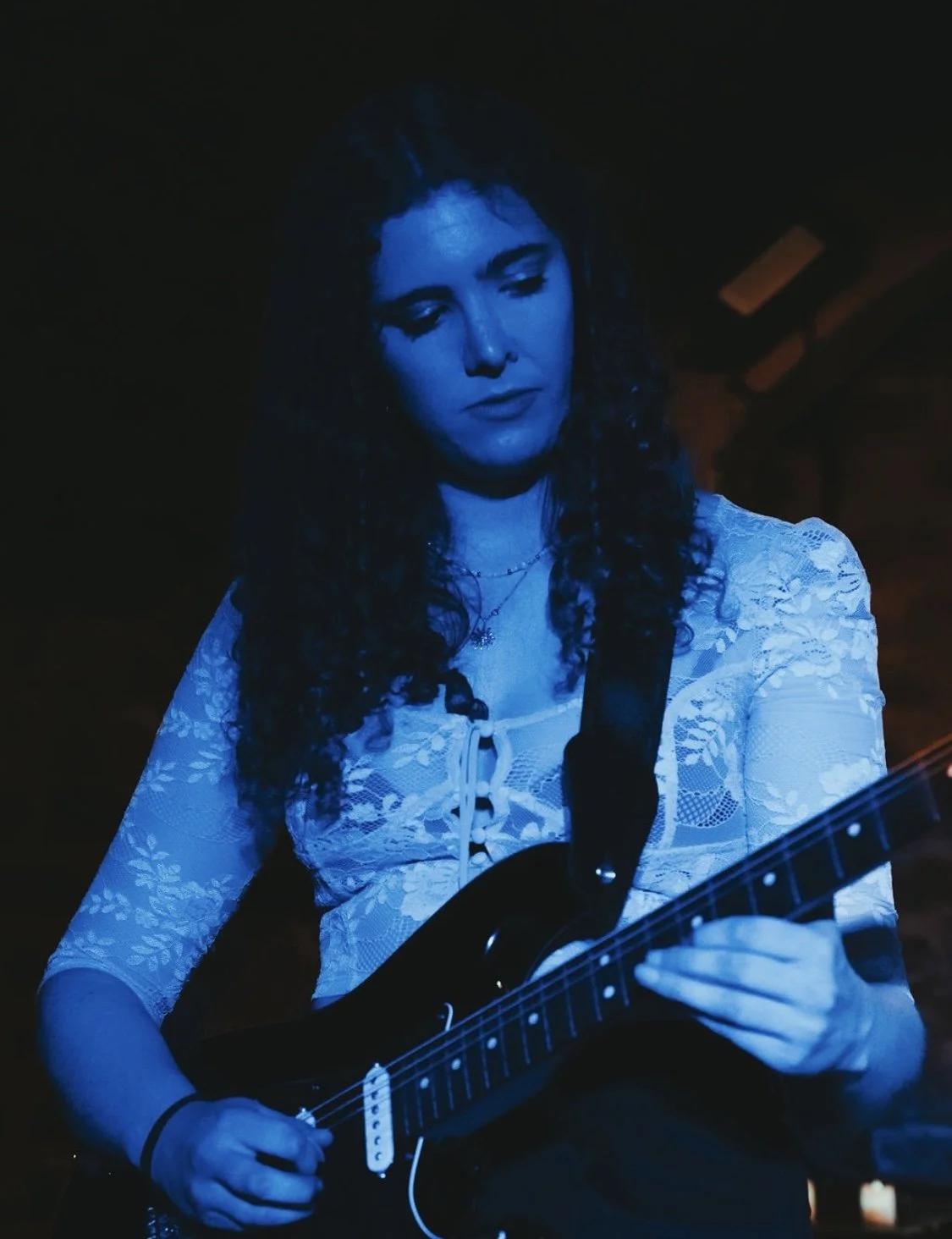
Against the algorithm: Could the Last Dinner Party mark the return of human artistry?

With the slow starvation of independent venues and the decline in funds for emerging artists, the music industry appears to be in crisis.
Whether the villain is streaming platforms or the latest AI tools, the commodification of music is moulding artists and cheapening art.
Amidst this landscape, The Last Dinner Party burst onto the scene early last year, standing far above the capitalised homogeneity.
With their sophomore album, From the Pyre, released on October 17, they have produced one of the most captivating albums in recent years.
Challenging the dominating commercialisation that defines success for developing artists, select bands like The Last Dinner Party remind the world what music made by people rather than products can really sound like, writes Music News Blitz’s Katie Slater.
The humanity of their sound
Everything about this latest release from the remarkable five-piece is so undeniably human.
From the Pyre is built upon technical strength, both instrumentally and vocally, awash with the beautiful timbres of real people playing their instruments with techniques built from years within their crafts.
Even the vocals are left real and raw, with the natural timbres of the members ringing free of excessive modification whether this be in the exposed operatic moments of “Rifle”, or the guttural wails of “Woman is a Tree”.
From the songwriting to the production, every aspect of the album displays the mark of human intention, far from algorithmic processes. The band fuse thematic material and genres to create all kinds of dramatic soundscapes.
This is immediately evident in their tracks. Thrown one minute into the Bohemian-Rhapsody-style harmonies of “Second Best”, prepare yourself next for the baroque instrumentation of “The Scythe” and the post-Brit-pop bass lines of “Count The Ways.”
Ask AI to create a song that would fit on the album, and I’d like to imagine it would let a troubled sigh as it consults a creation manual that just does not make musical sense.
READ MORE: Skinty Fia: A look back on Fontaines D.C.’s big break - Irish identity and moody reflection

Art over profit
Having just finished a record store tour of intimate performances, many of the songs have had their first live outings in the past few weeks.
One of the most notable aspects is the visible passion the band has behind their latest tracks.
Lead singer Abigail Morris often became reduced to tears during many performances as she reflected on the pride behind their latest project.
A clear labour of love, it feels as though the five-piece has disregarded the formulas for commercial success in favour of music truly authentic to them.
While the rest of the world leans into shortening songs, repetitive hooks, and chorus-heavy structures, The Last Dinner Party invite us back into a world of divine guitar solos, extended crashing outros, and even operatic breakdowns!
Defying an industry that often rewards simplicity, the group are only growing in grandeur, visually, texturally, and lyrically.
Challenging the way contemporary audiences consume music, they’ve masterfully created tracks that demand attention in their density.
Depth, myth and cultural resonance
Alongside their technical skill, the album also thrives in lyrical and thematic depth.
From the Pyre masterfully combines both personal and collective experiences, with a healthy portion of literary references.
Within an industry criticised for a growing shallowness, the masterful lyricism leaves curious listeners with lines they can really dig their teeth into.
Anything but ‘cheapened’ art, the album is awash with references to folklore, Greek mythology, and biblical Genesis, re-imagined to fit modern struggles.
Exploring the depths of womanhood, tracks such as “I Hold Your Anger” unfold into a beautiful retelling of the tale of Medea.
Taking its themes of betrayal, vengeance, and ownership of pain, it reconstructs its teachings into a powerful reclamation of female rage.
Another carefully constructed track, “Woman is a Tree,” perhaps alludes to the mythic The Wicker Man.
Over dissonant harmonies, a folk-horror tale appears to hide in the lyricism, evoking a reference that subverts conventional roles.
Using the metaphor of a woman as a ‘tree’ and a man a ‘clinging vine,’ traditional gender ideas are poignantly switched.
Just small examples from a wealth of storytelling, the band’s work ascends its own context.
YOU MAY ALSO LIKE: MTV shutdown: What happens when music channels die?

Conclusion
While The Last Dinner Party alone may not be the sole medicine to our music industry woes, their bold artistry is a blazing example of music rising above the industry’s cheapening commercialisation.
With their debut album reaching number one on the UK charts, wide media coverage, and a win at the BRIT awards, the band are becoming an increasingly present figure in mainstream culture.
An inspiration to those who desire success outside of the growing chokehold of commercial appeal, From the Pyre paves the way for a reimaging of our ethos - prioritising art and expression over cheapened brain rot.