Head to head with Elon Musk: Is Billie Eilish a performative millionaire or a true hero?
With the global wealth gap on the rise, international tensions appearing more fraught than ever, and a burning planet to underpin it all, anxieties could be described as more than a little high at the moment.
Often, some of the wealthiest and most influential figures in Western society, charitable figures such as Elton John, Rihanna and George Michael, have left the moral pop star a familiar figure.
With the idea prevailing that artists should have both something to say, and actions to back it up, silent voices are seen as both damaging and unfashionable.
A significantly charitable figure since the start of her career at just 13 years old, Billie Eilish has caused quite a stir in recent weeks, deliberately aggravating some of the world’s most powerful figures.
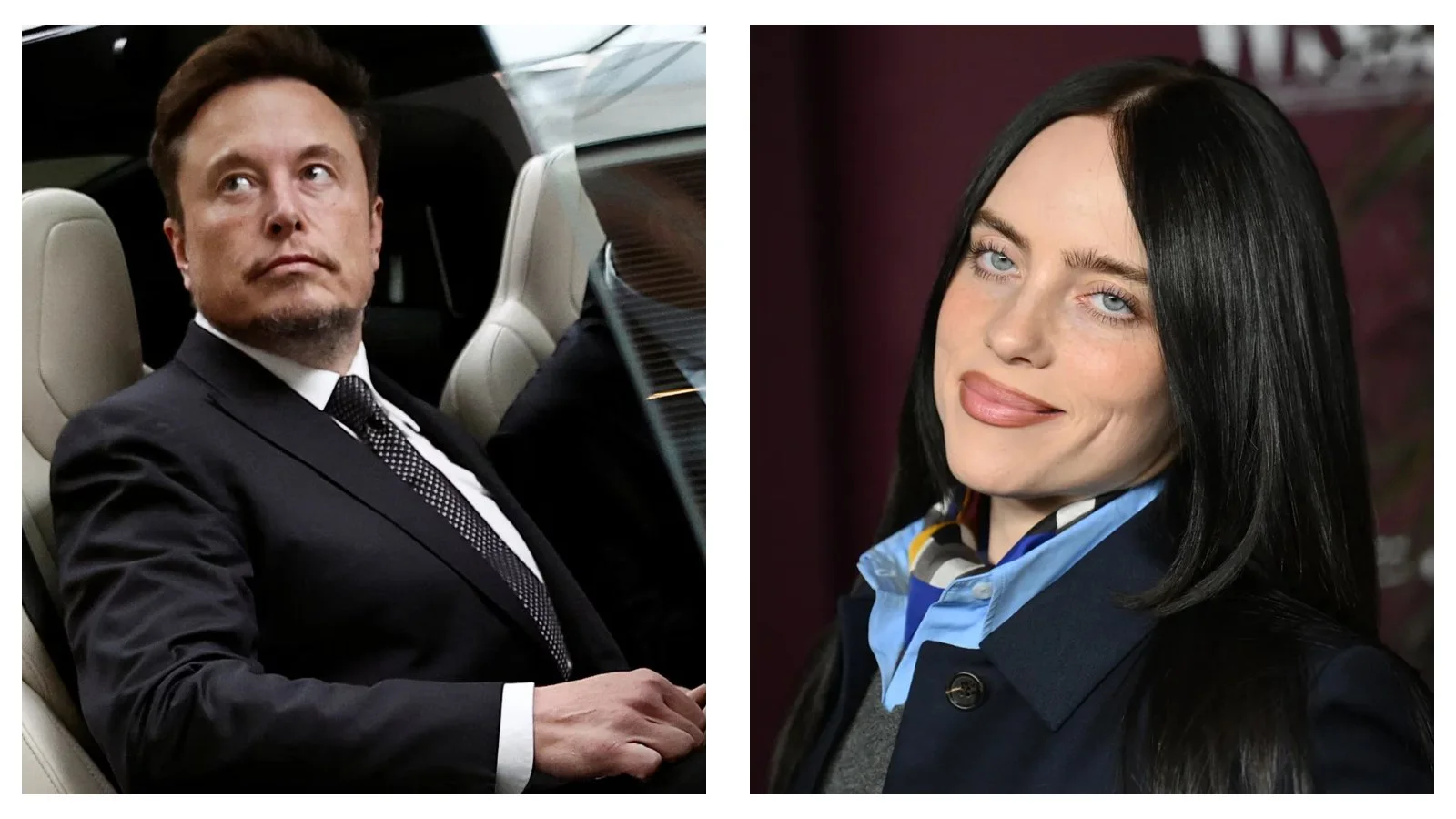
Not only turning heads, but snapping necks during her acceptance speech at the 2025 WSJ. Magazine Innovator Awards, she blatantly addressed the likes of Mark Zuckerberg, George Lucas and Mellody Hobson and their billionaire status.
Music News Blitz writer Katie Slater assesses the impact of her words and actions...
Her anti-billionaire agenda
Describing the current political climate as a dark world, Eilish announced a donation of $11.5million of her tour earnings to various climate and food charities, questioning why people richer than her had not acted similarly.
After delivering this undeniably gentle, yet poignant, speech on the distribution of wealth, Eilish later took to Instagram for a more aggravated attack on one man in particular.
Following the recent release of a proposed Tesla pay plan, news of CEO Elon Musk potentially achieving trillionaire status resulted in the pop star sharing damning graphics from MyVoiceMychoice.org.
Outlining the many ways in which Musk could use this money to great effect, slides highlighted causes such as the rebuilding of Gaza, supplying universally clean water, and saving all 10,433 endangered species as minor financial projects.
Eilish did not leave her opinions implied, as she called the tech giant a “fucking pathetic pussy bitch coward” in perhaps some of her greatest poetic work to date.
READ MORE: What makes a popstar ‘real’? Authenticity through CMAT and Chapelle Roan

Performative emptiness, or a powerful tool?
In an age where the general public are quick to make accusations of performative action, Billie found herself at the centre of criticism.
A wealth of condescending commentary accusing her of mock socialist views, and limited intelligence created the case of disingenuity.
While an attack on a name as big as Musk’s has unsurprisingly found its way into headlines, this is not the singer-songwriter's first big move.
Backed by years of activism, Eilish is a fighter for many a cause within her music and external to it.
Working consistently with non-profit organisation REVERB, the superstar has worked hard on making her tours eco-friendly.
Initiatives of this include banning single-use plastics backstage, providing free refill stations, only selling 100% recycled merchandise and ensuring plant-based food options.
Further to this, Eilish hosted a six-day climate action event in London back in 2022.
Named ‘Overheat’, it raised awareness for the gravity of the crisis, combining panel discussions, documentary screenings, and live performances as educational tools.
Outside of environmental action, she has been involved in several charities tackling the hunger crisis and homelessness alongside animal rights activism.
Even influencing fashion brand Oscar de la Renta to eliminate the use of animal fur, Eilish has had her fingers in many a good-willed pie for quite some time, leaving accusations of performance redundant.
YOU MAY ALSO LIKE: Music analysis: Anger as an anthem - How women are turning rage into music
How is this shown in her music?
While the pop star’s actions are inspiring, it is interesting to see whether this translates in any way to the art she makes.
Massively innovative in the pop genre, Eilish’s bedroom produced hits - and her understated vocal style - have become wildly distinctive.
While top hits such as “birds of a feather” may play more into the conventions of your classic catchy love song, a deeper look at her catalogue reveals an awful lot more.
One song that really demands analysis is the 2019 single “All the Good Girls Go to Hell,” a song evocative in her lyricism and accompanying award-winning video.
Dressed as a fallen angel, Lucifer, Eilish drags herself through a burning world beyond the means of divine intervention.
Cuttingly poignant lines describe the pearly gates as ‘a picket fence’ and rising waters as keeping ‘heaven out of sight.’
Reconstructing all the promises of a divine reward, her powerful imagery is equally as jarring as it is poetic.
Acting as an extended metaphor for the climate crisis, the irony of creating hell on earth while striving for an unseen heaven consolidates the activist’s message with a consuming sense of panic.
Though less direct of an attack than her ferocious Instagram comments, there is something perhaps even more powerful about art open to personal interpretation, yet universally compelling.
Calling all to arms merely through imagery and careful metaphor, Eilish warns us of a fate all too dismissible for the tech-giants and billionaires.
For those lacking the means to escape a climate collapse, the wealth divide is unmissable.
Conclusion
With Billie Eilish an undeniably positive force in today’s political climate, the question remains whether celebrity action can be substantive enough to overpower authenticity debates.
In the era of the socialist millionaire, it seems inevitable that these tensions exist.
More than just a role model, however, Eilish is not just a pop darling who incites calls to action from her comfortable mansion.
An individual who has done more charity work than the average person can claim: her deeds far outweigh any hint of hypocrisy, leaving only the impact she creates.
READ NEXT: Music news: A look at EsDeeKid’s rise from 200k to seven million in a matter of months