

Jazz underpinned by nostalgia - but has paved the way for other genres
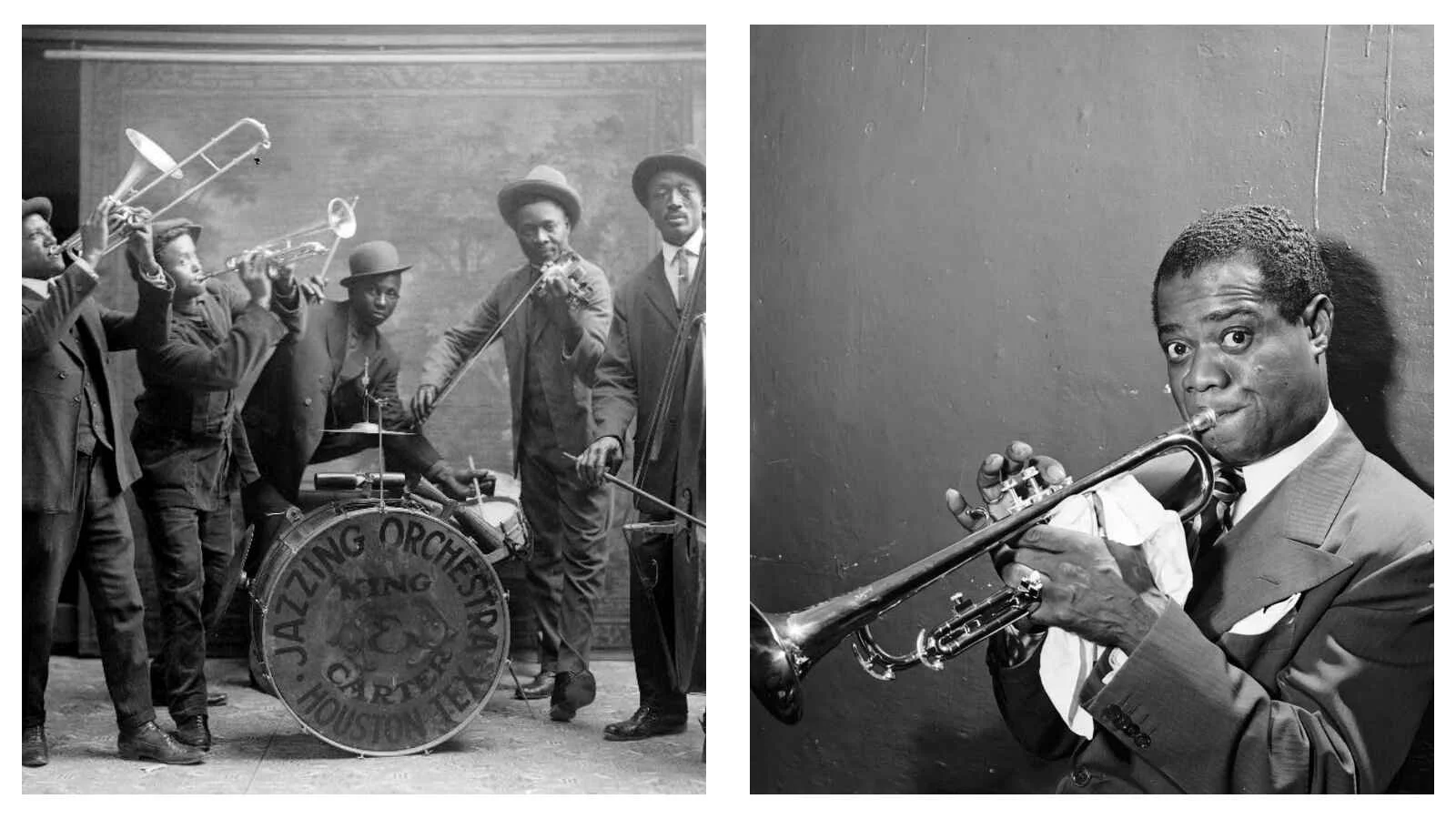
Jazz is, undeniably, a core pillar of music as it stands today.
As a genre, it has had unshakeable influence and development - its traits can be heard in all sorts of genres, and jazz singers have earned their places as some of the most renowned vocalists of modern history.
Here, Music News Blitz’s Isaac James details the intricacies of the genre - from its origins to its legacy today.
Origins of the genre
It is a genre that is deeply rooted in the history of several demographics, and has been a unifying art that has allowed people to bond.
Jazz encapsulates the heights of passion and energy that music can reach, but, in the words of Sebastian from 2016’s ‘La La Land’:
“Jazz is dying, Mia. It’s dying on the vine”.
Jazz is largely considered to have been born somewhere around the 1920’s where it began to truly take form as the genre we know it as today, and it was during this time in New Orleans that Jazz earned its name as a differentiated branch of music.
The decades proceeding this laid the foreground for jazz as a cultural staple, however the 1920’s onwards are where we see the rise, and subsequent fall of jazz.
It is a genre that enriched a time period riddled with tragedy and conflict, yet served as a silver lining to an otherwise bleak moment in the past.
Jazz was very fundamental to African American culture and was coined as an art form that was pioneered by and enjoyed by black American citizens that encapsulated their unheard passion and pressure during times of segregation.
To some extent, this meant that jazz was a genre that started as a tool of resistance and rebellion, a unifying thread that sewed communities together, but the style in which it could be played also differentiated it from other more traditional genres of the time.
We also saw jazz begin to soar to its highest levels of popularity post 1920’s as the world licked its wounds from World War I.
Jazz was primarily cultivated in New Orleans, however its shadow stretched beyond Louisiana, and it would just take some time for its sound to truly reverberate beyond the borders of southeast USA.
Unlike more rigid styles of instrumental music like classical, jazz welcomed the inclusion of improvisation to performances, with alterations to chords and melodies providing constant interpretations and versions of performances.
It was a self-contained ecosystem of songs that could branch into brand new iterations of themselves with every new show, adaptation and interpretation was baked into the very core of jazz from the start.
The actual point in time where jazz started to decline is debated, however I think that somewhere after the 1940’s was when the most cultural shifts occurred in music that ultimately stacked against jazz’s favour.
READ MORE: ‘Mic Drop’ episode 3: Women and politics in music
Influence for other genres
Firstly, the very subjective nature of jazz from the people playing it meant that it lost its tangibility as a solid and well-understood genre.
Whilst some liked the more tempered and melodramatic nature of blues, others enjoyed the potent and lively sounds of swing.
There were a handful of greater-known veins of jazz, yet despite how different they were, they were still considered to be the same genre.
The sub-genres were less easily defined under the same umbrella when compared to other branches of music, which passively contributed to its loss of an agreed upon sound.
We also saw blows dealt to jazz as music became increasingly electronified.
Studio recordings were growing in availability which essentially culled the adaptive nature of jazz, as well as downplayed the passionate and high-stakes atmosphere its live performances aimed to captivate.
I also believe the “passion” that jazz hinged upon was more widely enjoyed in punk and rock and roll in the wake of World War II where we saw the birth of the “rebellious” teenager archetype.
This was when anti-establishment rhetoric was claimed by the youth as older generations clung to tradition and rules.
The genre seemed to fade from popularity as modernised music took precedence of charts.
The future of jazz?
Whilst jazz still lives on, it is largely confined to specific radio channels and bars where people who enjoy the genre know where to find it, but ultimately, it has slinked into the shadows of being a “niche” genre, no longer categorised as “popular” music.
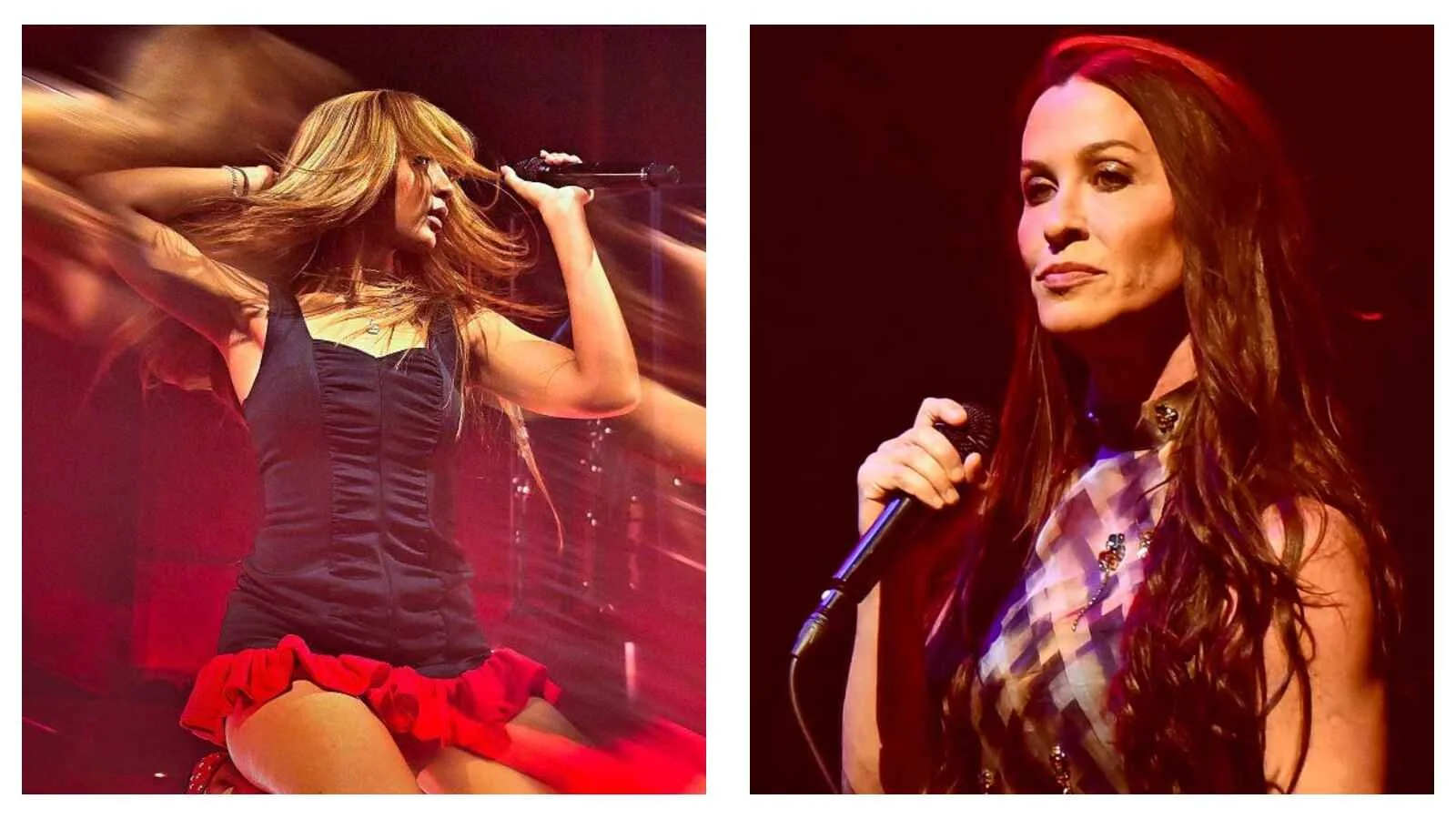
This effect waxes and wanes to some extent, we see artists like Raye who definitely represent a modern age of jazz in the 21st century, but it seems as though other jazz artists have not been able to enjoy such exposure within their careers as of late.
Jazz is underpinned by nostalgia, a genre anchored to its time.
It has struggled to evolve and persist in the same way others have, but I would also note that Jazz’s identity has instead become zeitgeist, its best qualities being borrowed by newer genres in its stead.
Thus, whilst jazz may not be selling out concerts or tours as frequently as pop music can, such genres undoubtedly have jazz to thank for paving their way forwards.
READ NEXT: Up-and-coming UK festivals to watch in Summer 2026: ‘Tramlines’, ‘Forwards’ and more
