Music analysis: Lola Young is more than “Messy”
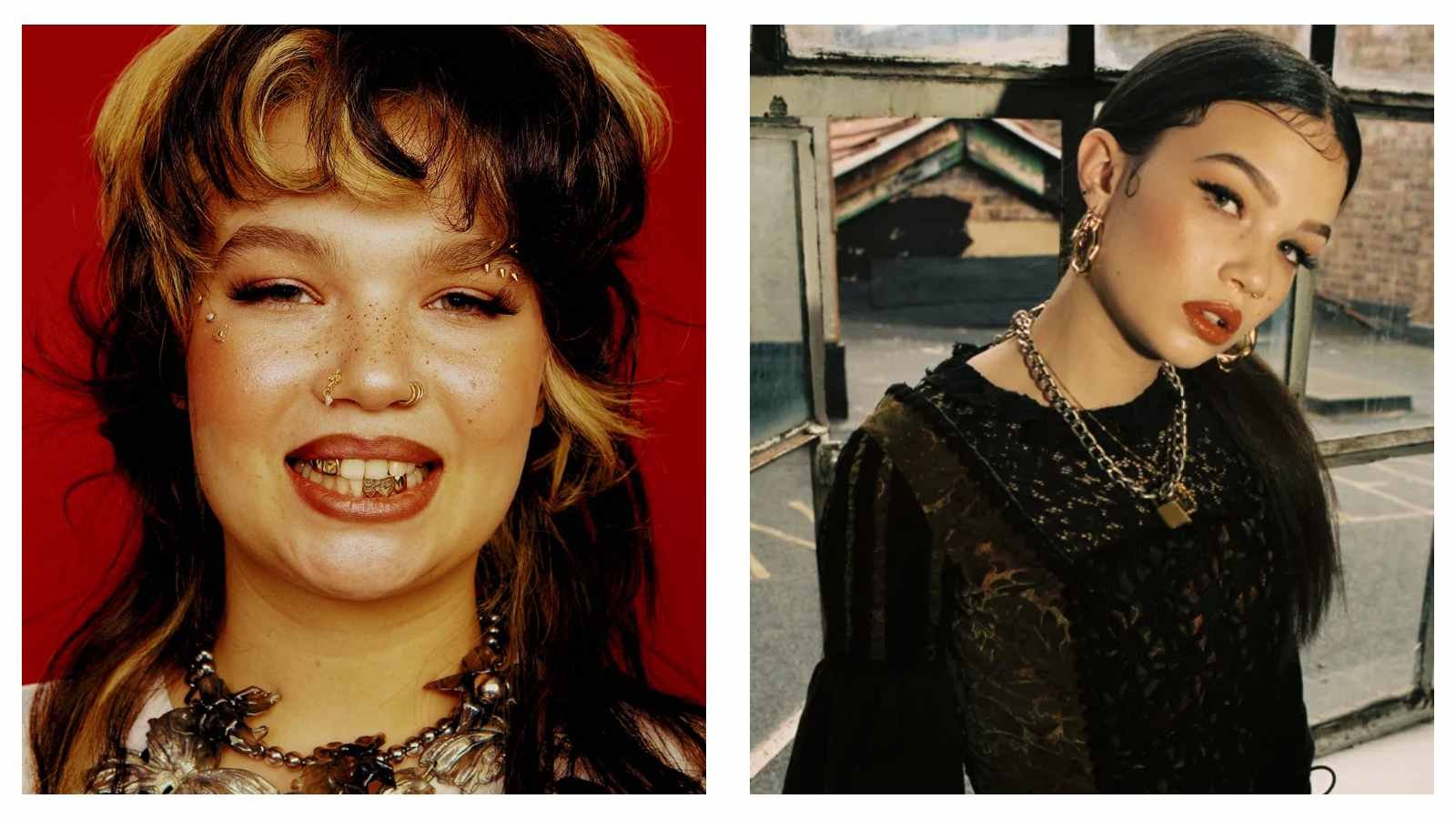
At a time when authenticity has become a marketing strategy, Lola Young has built a career on something far riskier: telling the truth before she's finished living it.
There are plenty of pop stars who spend years polishing away every rough edge before the world ever sees them. Lola Young has built her career by leaving them in.
When she returned to London's O2 Academy Brixton this summer after a months-long hiatus from live performance, there was no dramatic comeback speech waiting for the crowd.
There was no attempt to rewrite the previous year or package it into an inspirational story.
She simply looked across the room and admitted, "I've missed this so much."
It was a small moment, but it said everything, writes Music News Blitz’s Zinhle Radebe.
Collapse
Less than a year earlier, Young had collapsed while performing "Conceited" at New York's All Things Go festival before cancelling the remainder of her North American tour to prioritise her health.
At the exact moment most emerging artists are told never to lose momentum, she stepped away, risking the career she had spent years building.
She folded that experience into her music.
Across her songs, interviews and performances, Young has resisted the certainty modern pop often rewards, choosing to write from the uneasy space where confidence collides with self-doubt, love with resentment, and addiction with recovery.
That instinct has become the defining feature of her work.
While authenticity has become a buzzword across pop, Young's rarely feels manufactured. It feels lived.
More importantly, she has shown that vulnerability isn't something to overcome, it's become the foundation of her artistry.
The song that changed everything
Every artist has a breakthrough. Few arrive as unexpectedly as “Messy”.
Released on Young's 2024 album “This Wasn't Meant for You Anyway”, the song began as a deeply personal confession before taking on a life of its own.
It spread across TikTok, climbed charts around the world and eventually earned Young her first Grammy Award, introducing millions of listeners to one of British pop's most distinctive new voices.
Its success wasn't driven by choreography or a carefully engineered viral campaign.
It connected because it captured an emotion that felt painfully familiar.
"Cause I'm too messy, and then I'm too fucking clean..."
With one lyric, Young distilled the exhausting pressure of constantly reshaping yourself to meet someone else's expectations, only to realise you'll never quite fit them.
It wasn't simply a breakup song. It became an anthem for anyone who had ever felt trapped between impossible versions of themselves.
Her voice made those words impossible to ignore. That unmistakable rasp carries wit, frustration and vulnerability in equal measure, giving every lyric the weight of lived experience.
Young never chases flawless vocal delivery. She lets the cracks remain. They don't weaken the performance; they deepen it.
“Messy” quickly became one of 2025's defining breakout songs, transforming Young from a respected singer-songwriter into an international star almost overnight.
Behind the scenes, however, another story was unfolding.
As the single dominated streaming platforms and social media, Young was privately battling addiction and mental health struggles.
She later revealed that she entered rehabilitation while “Messy” was still climbing the charts.
For many artists, public success and private hardship become separate narratives.
Young never allowed that divide to exist.
Those experiences became the foundation of the music that followed, proving her breakthrough was never just about one viral hit.
It was built on an artist willing to expose uncomfortable truths before she had fully lived through them.
Owning the chaos on “I'm Only F**king Myself”
If “Messy” introduced the world to Lola Young, “I'm Only F**king Myself” proved she had no interest in becoming pop's next predictable success story.
Released in September 2025, the album arrived under enormous expectation.
After a Grammy win and one of the year's biggest breakthrough singles, the safest move would have been to recreate the formula that made Messy a global hit. Young did the opposite.
She delivered a record that's more ambitious, more restless and often deliberately uncomfortable.
She called it "my ode to self-sabotage", and the description fits.
Across 14 tracks, Young explores addiction, fractured relationships, identity and self-worth without pretending those experiences can be neatly resolved.
There are no redemption arcs or tidy conclusions.
Healing emerges as something uneven, frustrating and unfinished.
That refusal to simplify difficult emotions gives the album its power.
“One Thing” crackles with swagger, flipping familiar narratives around sex and relationships while reclaiming female desire with humour and confidence.
Then comes “d£aler”, where the mood shifts dramatically.
Addiction and escapism aren't romanticised for dramatic effect.
Instead, Young strips them back to their emotional core, exposing the loneliness, dependency and fear that often sit beneath destructive behaviour.
Elsewhere, tracks including “CAN WE IGNORE IT? :(“ and “Not Like That Anymore” drift between hope and despair without forcing either emotion to prevail.
Even moments of optimism never erase the damage that came before them.
Recovery remains ongoing rather than complete.
The music mirrors that emotional unpredictability.
Alternative pop, indie rock, soul and R&B move effortlessly into one another, refusing to settle into a single emotional identity.
Every stylistic shift feels earned, driven by feeling rather than expectation.
That's what ultimately separates “I'm Only F**king Myself” from many contemporary pop records.
Young never asks listeners to admire her resilience or celebrate a neatly packaged transformation.
She leaves contradictions intact, trusting that honesty is more compelling than resolution.
The result is an album that doesn't try to explain who Lola Young is.
It captures who she was while she was still figuring it out.
MORE BY ZINHLE RADEBE: Cat Burns and the emotional limits of performance: How To Be Human, touring, and withdrawal
More than a breakthrough
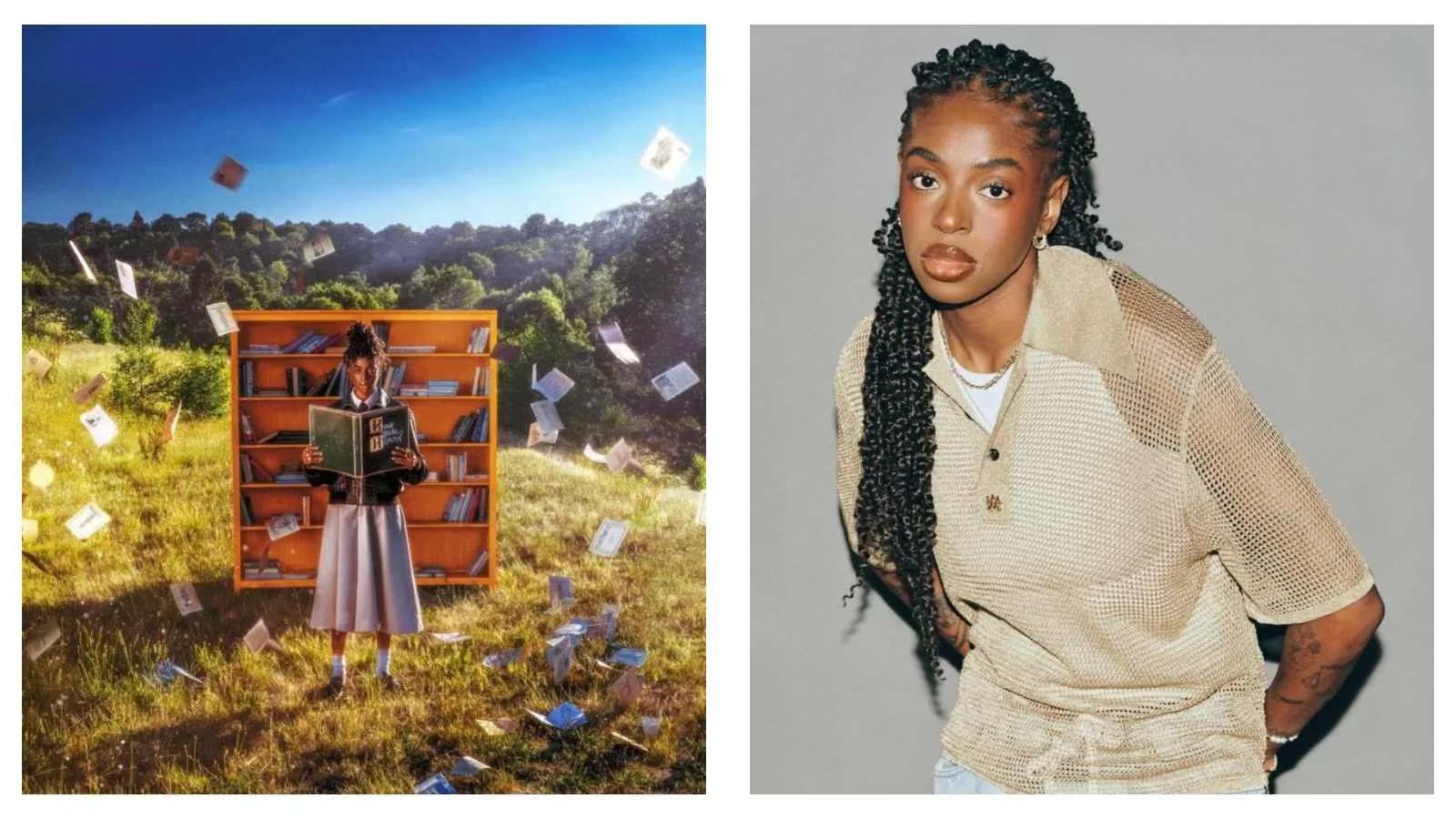
If Messy announced Lola Young's arrival and “I'm Only F**king Myself” exposed the emotional cost of that success, “From Down Here” points towards whatever comes next.
Released on 22 May 2026, the James Blake co-written and co-produced single feels less like a follow-up than a quiet statement of intent.
Written the day after Young's Grammy win, it wasn't born from celebration but from reflection.
"I'm between a rock and the hardest place / Can I make them laugh? Can I make them stay?" she sings, capturing the strange emotional limbo between achieving the career she'd always dreamed of and learning to live with everything that comes with it.
Young later explained that the song marked a turning point.
"I am rewriting the next chapter of my story because what a boring book the old one would've been anyway," she said in a statement.
The line feels less like a promotional quote than a mission statement.
After spending much of the past year confronting addiction, recovery and the pressures of sudden fame, she's no longer simply documenting survival.
She's beginning to imagine what comes after it.
That evolution extends beyond the music itself.
Later this year, Young will return to New York's All Things Go festival, the same stage where she collapsed in 2025.
"We have unfinished business," she said. "I feel blessed and ready to take it to the next level."
It's a fitting full circle moment not because it erases what happened, but because it acknowledges it without allowing it to define her.
That's what continues to set Young apart. In a pop landscape that still rewards carefully managed personas and easy narratives, she remains committed to documenting life as it happens: complicated, contradictory and unresolved.
Her songs don't promise certainty.
They simply make room for the messy realities most artists spend their careers trying to hide.
Young hasn't built her career by convincing audiences she's perfect.
She has built it by refusing to pretend she ever was.
READ NEXT: Music news: Famous songs that you didn’t know were originally sampled