Music analysis: Nostalgia and cultural influence of FIFA soundtracks

With every new edition of a FIFA game, a new soundtrack containing diverse, energetic and underground music arrived with it.
These playlists solidified the bridge between football and music in a way nothing else has.
Among the overwhelming sense of dissatisfaction with the direction Electronic Arts (EA) have taken the FIFA franchise down, the soundtrack behind the games remained a constant success every single year.
From its first soundtrack on FIFA ‘98 which featured Blur’s iconic ‘Song 2’ up until more recent editions in the early 2020’s – the songs behind the videogames have become as influential as the game itself.
But how was this created and why is the nostalgia behind FIFA songs so strong?
Music News Blitz’s Gabriel Mills shares his thoughts.
The ‘FIFA song’ genre
While tucking into lunch at a small restaurant in London with a couple of friends a few years back, the speakers began to play a familiar tune.
A quizzed look before a smile of recognition and a sharp pang of nostalgia captured us – a ‘FIFA song’ blessed the airwaves in the form of ‘The Big Bang’ by Rock Mafia.
The identity of a ‘FIFA song’ stems from the themes running throughout the soundtrack.
Although this covers several different genres of music, energetic tracks from all over the world travelled into the ears of millions of FIFA players.
Indie music is a particularly strong area for what a ‘FIFA song’ can be as the soundtracks have paved the way for many big indie artists – often before they struck real fame.
Declan McKenna’s ‘Isombard’ on FIFA ‘17, Sam Fender’s ‘Play God’ on FIFA ‘19 or even Two Door Cinema Club in various earlier editions are prime examples of this.
Rather than being defined as a certain genre, ‘FIFA songs’ are more a feeling of shared love for football and gaming as a whole.
Propelling new artists
Perhaps the most unique and valuable quality about EA’s FIFA soundtracks was their ability to give us new music which we would not have discovered otherwise.
It is with great pride that I can say several of my favourite artists were found during my time playing FIFA.
Loyle Carner, Glass Animals, Jungle and the previously mentioned Declan Mckenna and Sam Fender are just a few of those who I personally discovered first, through EA’s soundtracks.
As each year passed, the value of appearing on a FIFA soundtrack as a smaller artist became increasingly attractive as a way to grow a fanbase.
It became an opportunity to instantly reach millions with just a single song on the soundtrack – several artists found huge success on the back of their inclusions.
Maintaining big names
Among the tracks from smaller artists, EA still managed to get the balance right by involving some of the biggest artists around.
Early editions featured the likes of Blur, Oasis, Fatboy Slim and Gorillaz while newer games used songs from Stormzy, Billie Eilish and Childish Gambino.
Using these artists while picking tracks that are not necessarily their biggest created another avenue to broaden musical horizons for players.
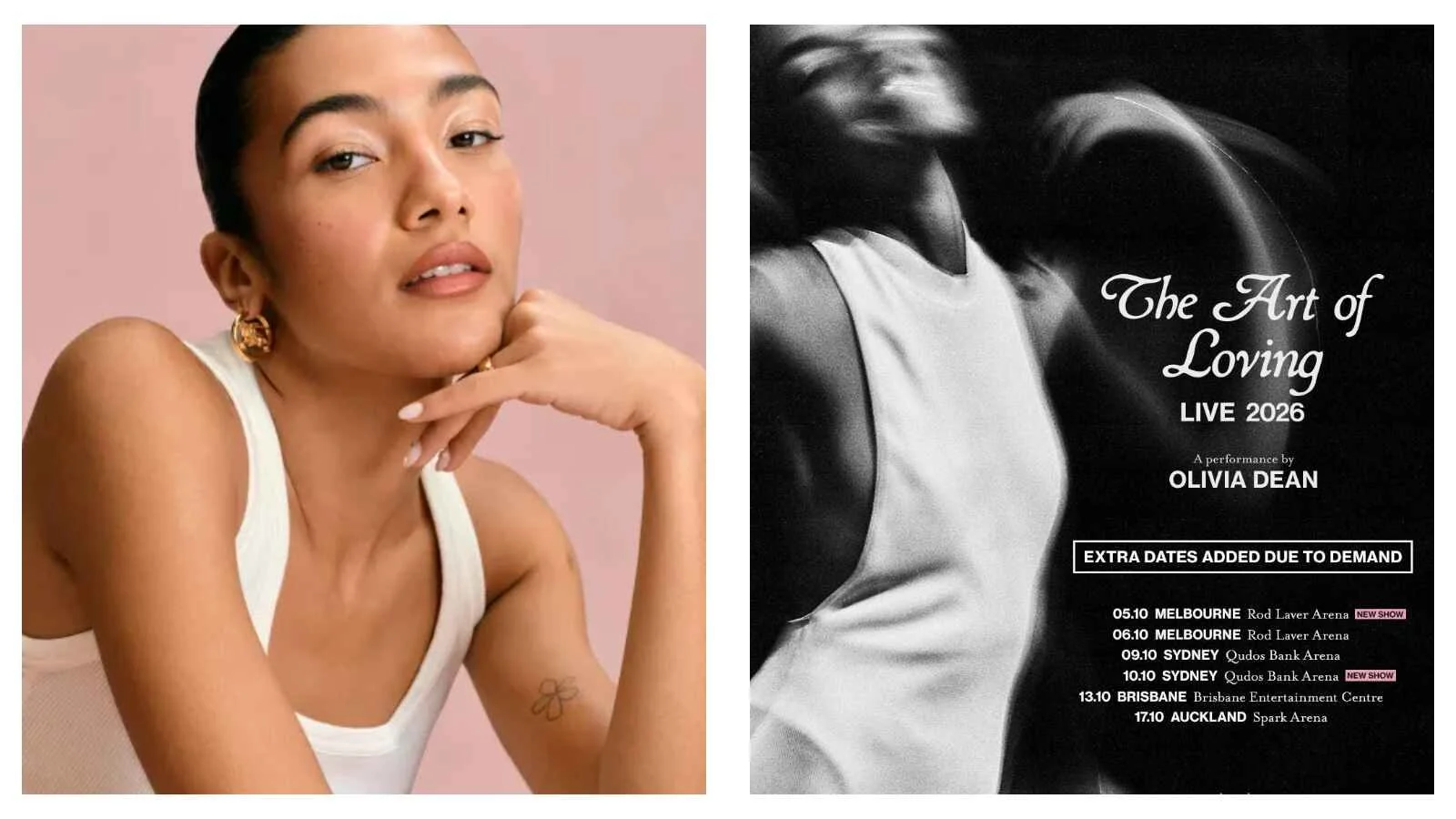
YOU MAY ALSO LIKE: A look at Olivia Dean’s ‘The Art Of Loving’ UK/EU tour featuring Sam Fender
How Ultimate Team helped the soundtrack
As the game continued to develop with different game modes and more to do within the menus as opposed to purely playing matches – this only elevated the music.
With the introduction of a free-to-play FIFA Ultimate Team mode in FIFA ‘11, a shift occurred and players began to spend more time in the menus of the game rather than in matches.
As matches are the only aspect of the game not to automatically play the soundtrack, this meant far more time was spent listening to the music than in previous games.
More time spent listening to the soundtrack leads to more familiarity.
More familiarity subsequently leads to more nostalgia when hearing the music further down the line – something that felt deliberate from EA as soundtracks reached up to 100 songs in later games.
Why it falls short in recent editions
What players loved about the soundtrack was the initial unfamiliarity with the majority of the artists and tracks.
A once strong platform for underground indie bands and an overall more enjoyable game feels far in the past.
In the current game, huge names like Ed Sheeran, Fred Again, Rudimental, PinkPantheress and Dominic Fike all feature without the same diversity of genres throughout.
A gradual decline in players also plays its part – FIFA ‘18 sold around 24 million copies compared to the most recent edition, FC26 selling around 10 million.
However, the memories and nostalgia that come with hearing an old FIFA song from a childhood era will always remain for all the millions who enjoyed playing.