

Music analysis: The rise of AI in music - Artistic repression or innovation?
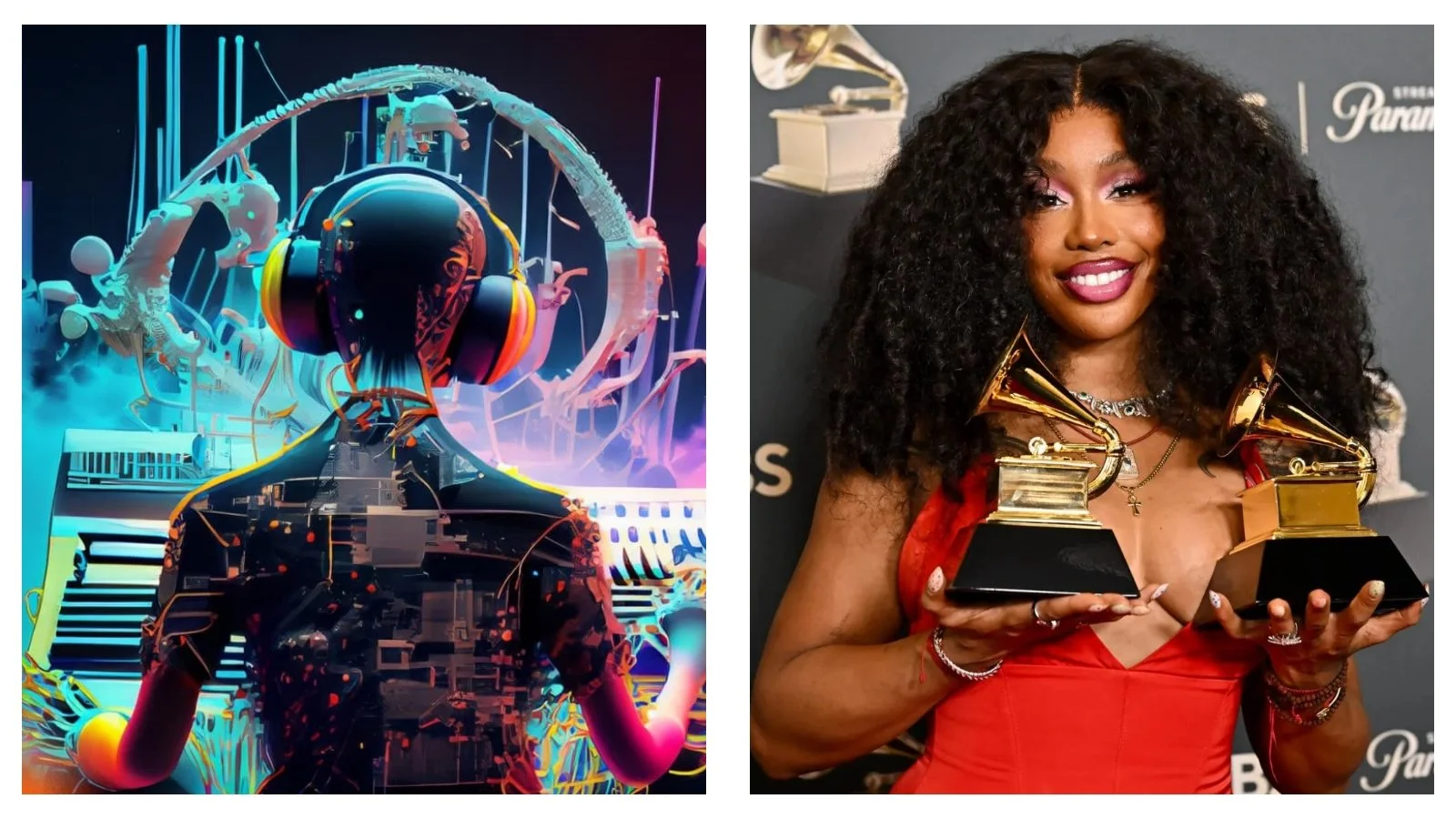
Artificial Intelligence (AI) is radically reshaping the music industry, testing the traditional conventions of music production, composition, and the listening experience, writes Music News Blitz’s Emily Hodson.
Artists are faced with a trade-off between human-led processes of writing lyrics, recording and editing and a technological, highly productive alternative.
However, musicians such as SZA are calling for other artists to boycott the use of AI, raising questions as to whether it should be welcomed as an opportunity for evolution or feared as a threat to creativity.
SZA leads calls for an AI boycott
On June 20, 2026, international singer SZA took to social media to announce that 238 of her songs, including unreleased music, had allegedly been used without her permission to train AI models.
In a passionate appeal to her fans, the singer argued that this violation of privacy and personal autonomy should not become normalised within the industry.
Famed for hits “Kill Bill” and “Good Days,” the singer shamed other artists’ use of the AI model Suno, a free AI music generator created in 2023.
Allowing users to create songs by inputting only a handful of words, the model is, according to SZA, being trained on the most talented and capable artists of our generation.
Highlighting the surge in AI-generated covers mimicking Olivia Dean’s voice after the release of her sophomore album The Art of Loving, SZA stressed this issue is specifically targeting Black artists.
She argued that AI models are being used to inaccurately mimic sounds and styles of Black musicians without providing credit and financial compensation.
Urging fans to boycott AI-generated songs, SZA claimed that artists are no longer competing with each other but with rapidly advancing artificial intelligence.
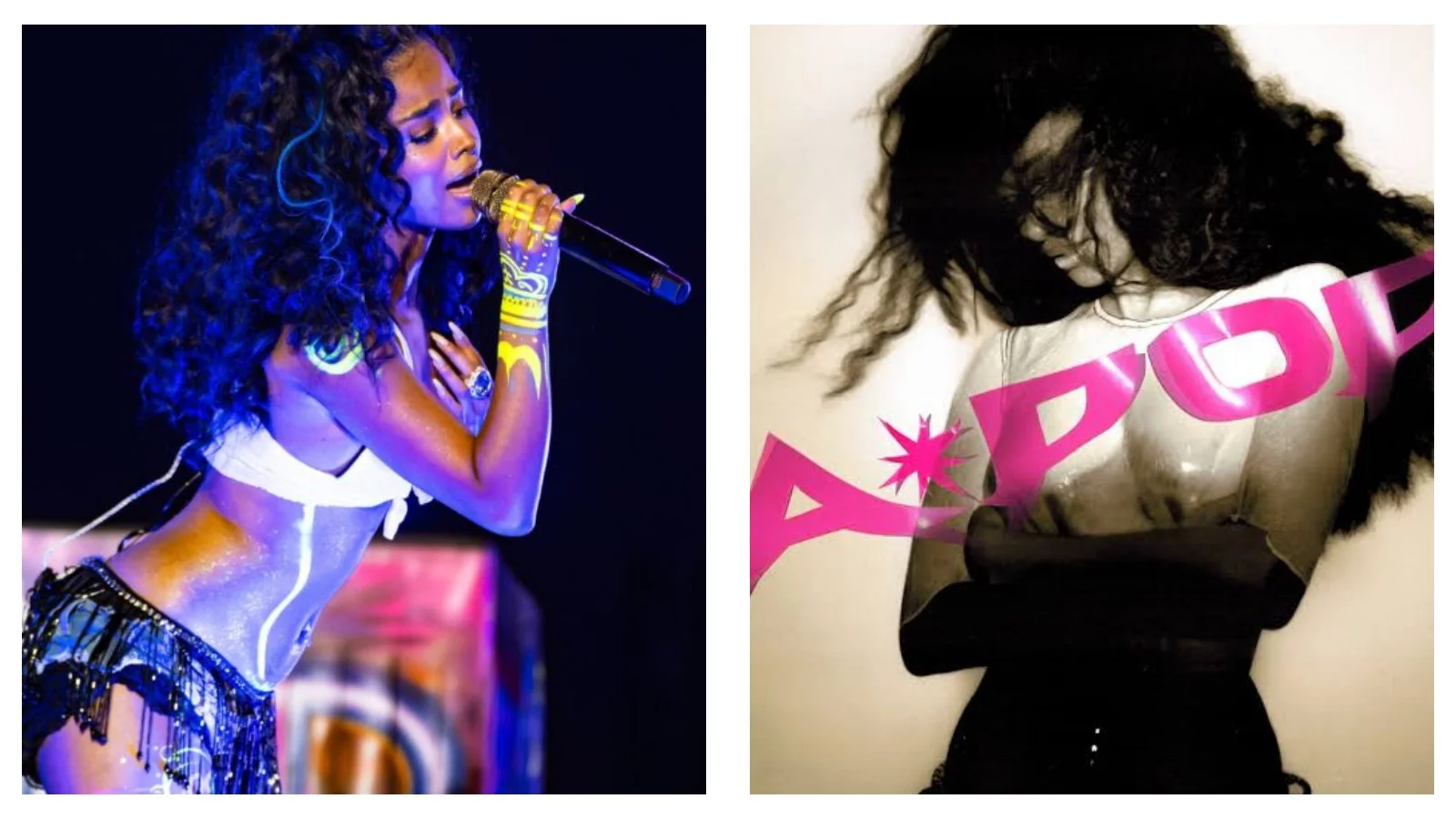
READ MORE: Music analysis - An African Pop princess, utilising the revival of the 00s - ‘A*POP’- Tyla
Growing concerns over artists' rights
SZA’s message follows the signing of a petition in 2024 by Billie Eilish, Stevie Wonder and others that called for the limitation on the use of AI to recreate the voices, sound and mannerisms of musicians.
Outside of audio production, AI has been utilised to fabricate graphic images and videos of artists without consent, causing concern over the online exploitation of female artists.
In late 2024, international pop star Taylor Swift became the victim of indecent and pornographic images crafted by AI models.
Issued by the non-profit organisation Artist Rights Alliance, the petition acknowledged that the responsible usage of AI improves production efficiency, such as being able to isolate vocal tracks and restore old recordings.
Despite this, the letter outlines that unregulated and unethical reliance on AI is an attack on human imagination, privacy and originality.
Backed by talents such as Nicki Minaj and Katy Perry, the petition stressed the need for better regulation of AI models to ensure musicians’ financial and creative livelihoods are protected.
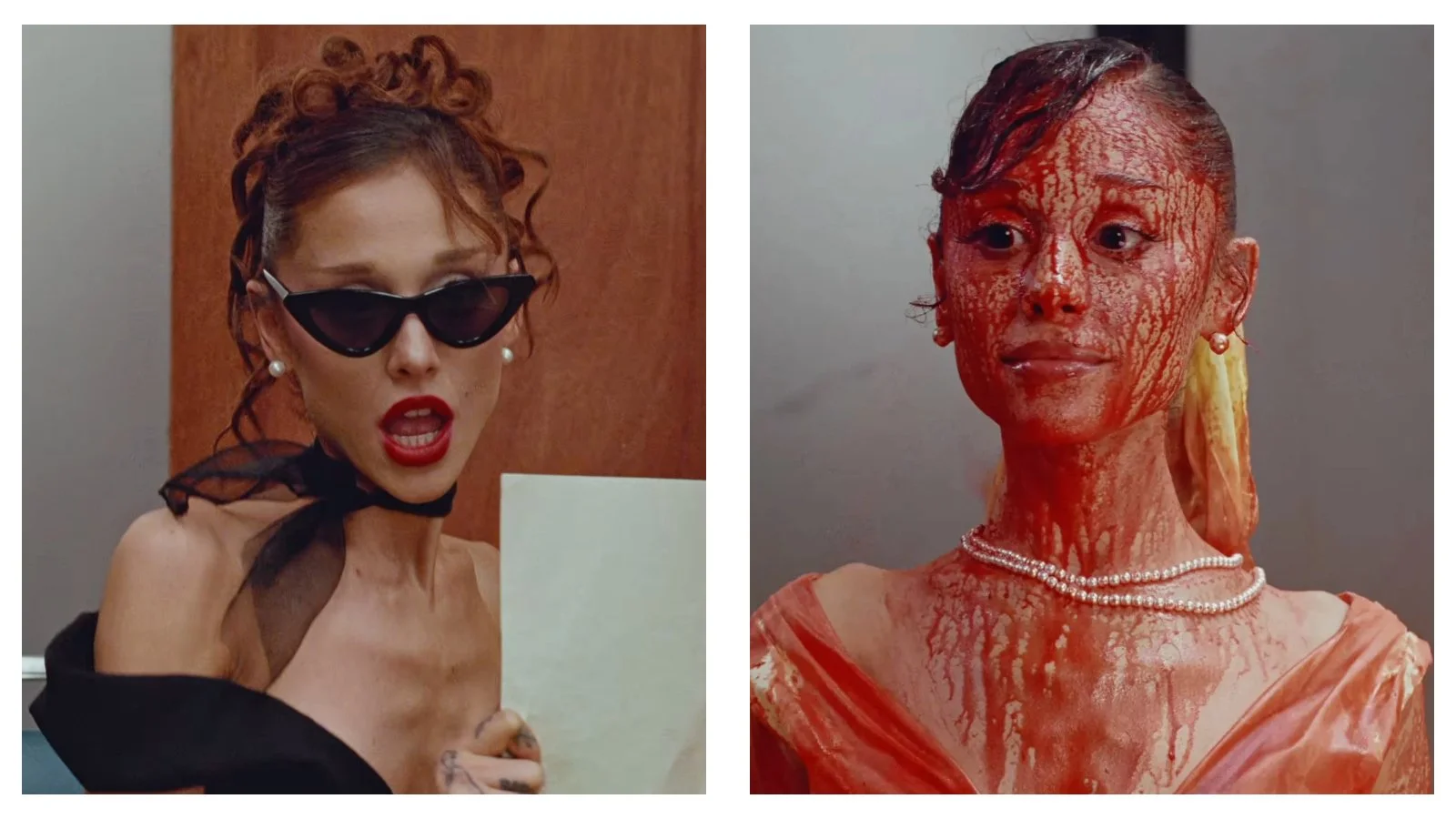
YOU MAY ALSO LIKE: Music analysis: Dark Pop reimagined - ‘Petal’ by Ariana Grande
Some artists embrace AI's potential
However, some artists view AI as a catalyst for financial and creative advancement.
In May this year, Fender CEO Edward “Bud” Cole was subjected to online criticism after his endorsement of the use of AI in the guitar industry.
Appointed as CEO in early 2026, Cole argued that AI’s presence can be seen throughout the history of cover music, which he argued resembles AI-generated sounds.
Whilst Cole’s ambition to welcome new technology was not received well by fans, other artists align with his views.
DJ David Guetta backed the use of AI tools in mixing and editing music, alongside Canadian artist Grimes, who advocated for a specific section of the streaming service Spotify to be dedicated to AI-generated songs.
In April this year, American producer and DJ Diplo said we shouldn't resist the rise of AI, arguing its ability to create high-quality sounds surpasses human capability.
In a statement on his social media, he encouraged artists to accept that the rapidly evolving force of AI is one outside of their control.
As the seismic shift caused by artificial intelligence continues to reshape the music industry, the separation between the preservation of artistic integrity and technological invention shows little sign of closing.
