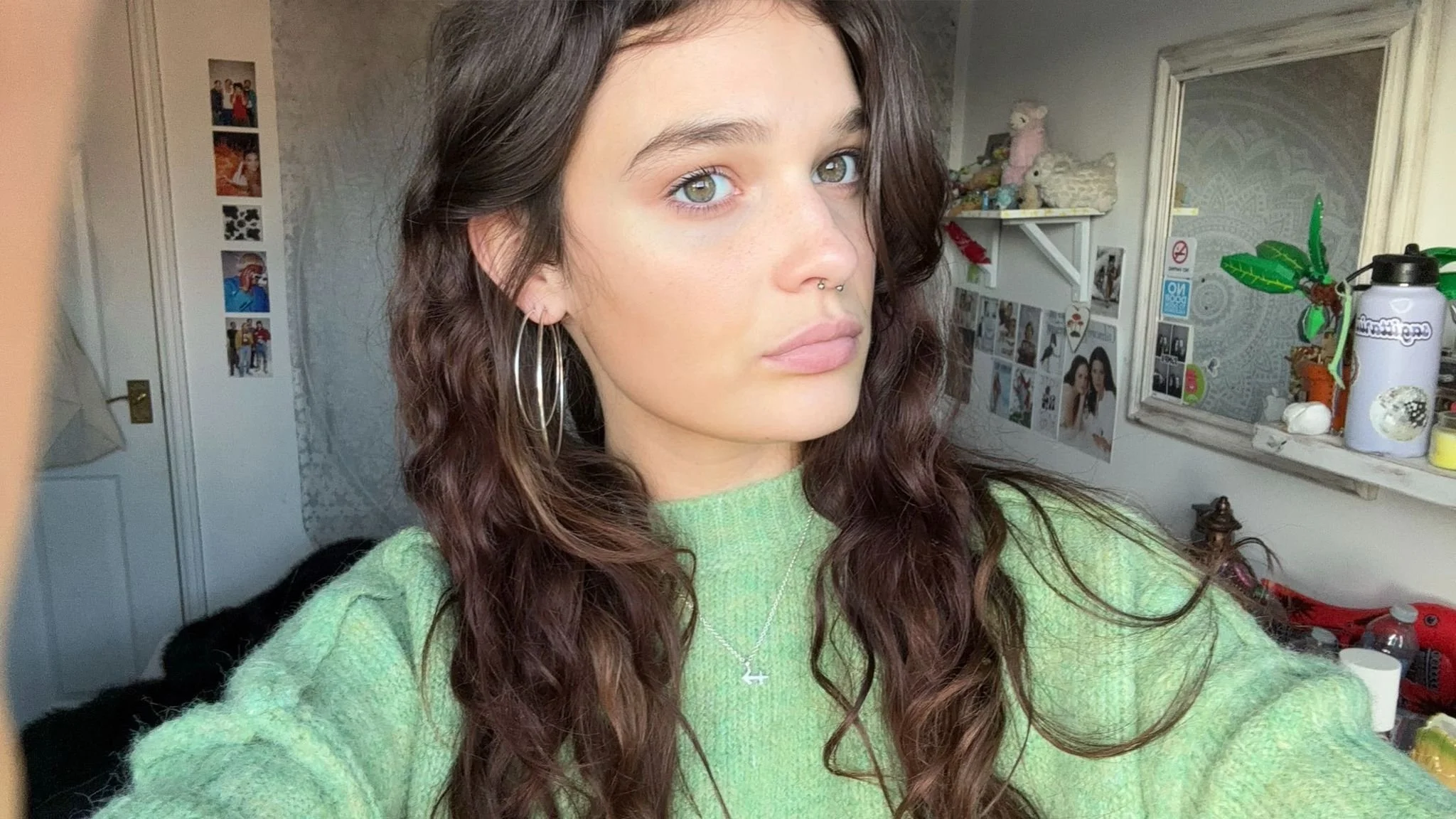
Queer history - exploring how underground gay clubs shaped the sound of modern music
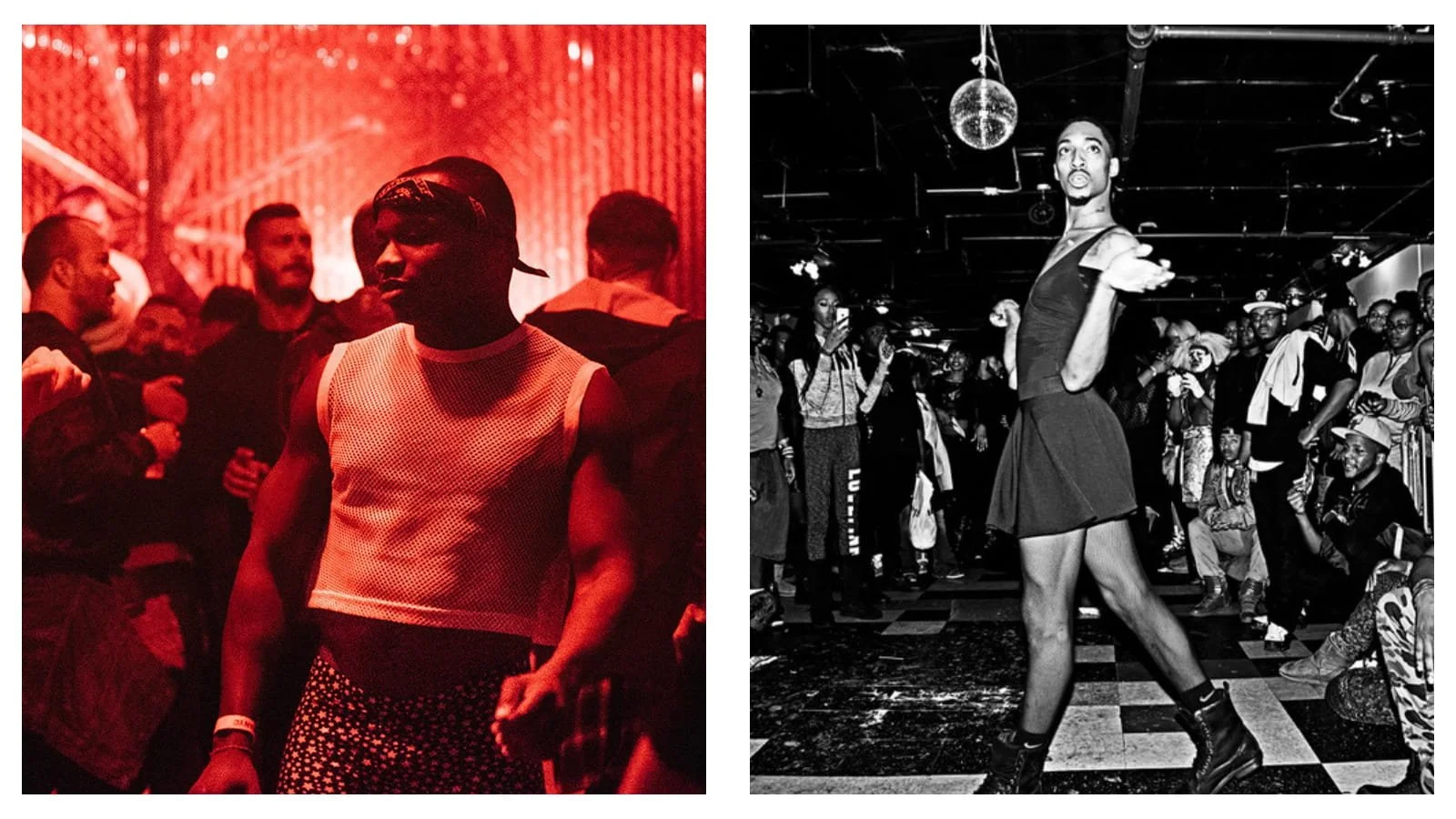
From underground basements to global dancefloors, gay clubs have played a defining role in shaping modern music culture.
Emerging through the dark as safe spaces for LGBTQ+ communities, these venues became incubators for entire genres, influencing everything from disco to house and beyond.
The impact of gay clubs is massive, and its legacy echoes across today’s nightlife and mainstream charts.
For those of us who have already been enlightened, a gay bar can offer us the best music, best dancing, and the very best people, writes Music News Blitz’s Macy Wright.
A culture built in secrecy
In the mid-20th century, when LGBTQ+ identities were criminalised and heavily policed, gay clubs often existed in secrecy, operating behind unmarked doors or under the guise of private parties, and relying on word-of-mouth to survive.
Cities like New York and San Francisco emerged as early epicentres, where music became a form of escape and expression for marginalised communities.
In New York, dense urban nightlife allowed underground scenes to flourish discreetly, while San Francisco’s growing countercultural movements helped foster a more visibly open and politically active LGBTQ+ community.
READ MORE: Inside Leeds underground: The grassroot venues keeping music alive in 2026
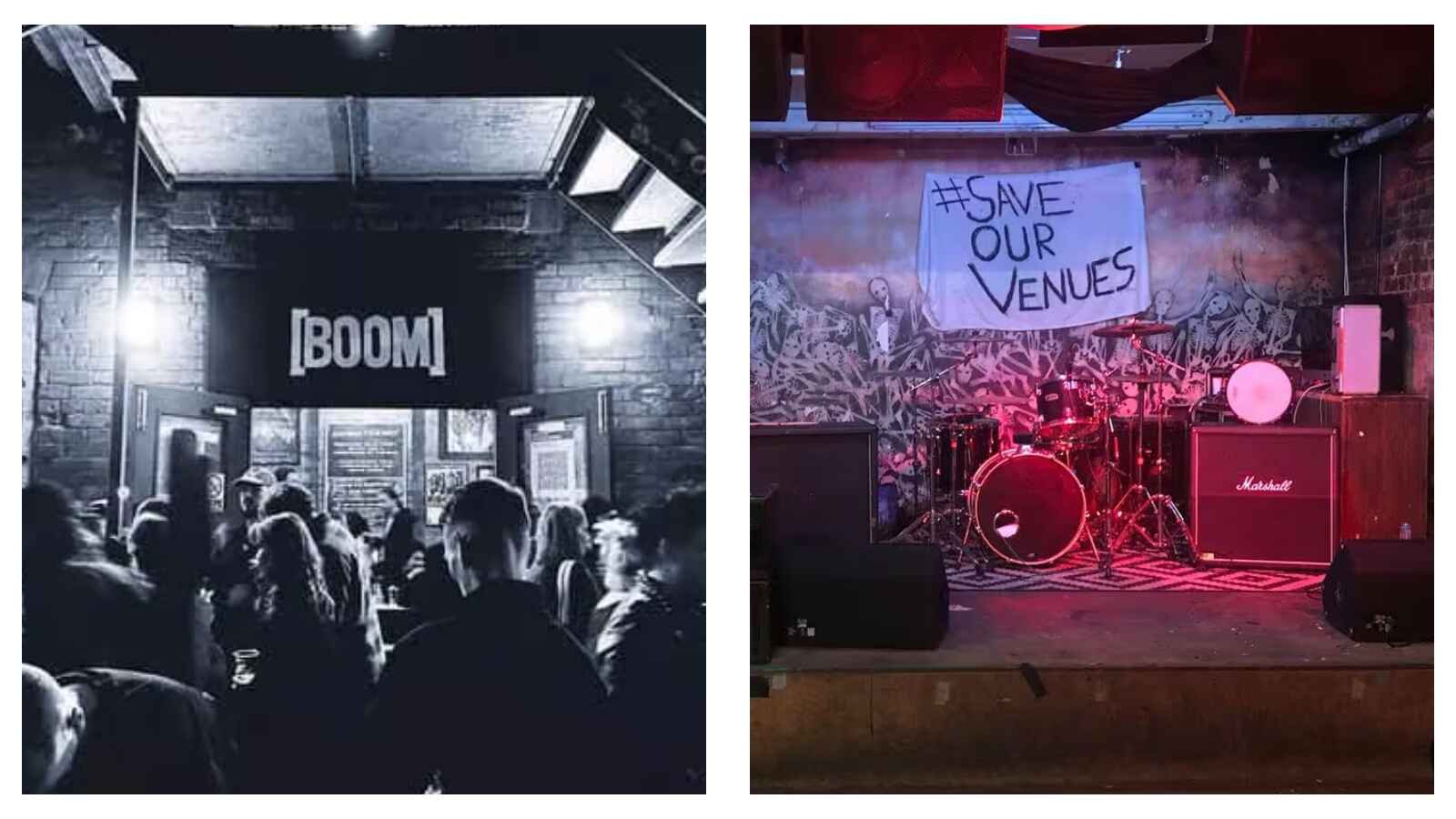
The sound of freedom
By the 1970s, the disco fever had taken hold, and soon DJs began favouring records with steady rhythms and extended sections, allowing dancers to stay immersed and connected for longer.
Disco became a cultural language rooted in liberation for many of the patrons at gay clubs, where DJs were taking centre stage as curators and innovators.
That same feeling still lingers now - even in modern club settings, there is a familiar sense of escape on the dancefloor, one that feels directly tied to those early spaces, where music offered both freedom and belonging.
A new sound emerges
Following the backlash against disco in the late 1970s, a new sound began to emerge from Chicago, carrying forward the spirit of those earlier spaces.
Across the local black and queer nightlife scene, change could be felt, with DJs and dancers pushing beyond the limits of disco and reshaping what a night in a club could sound like.
At the centre of this shift was The Warehouse, a members-only club that catered to queer and alternative communities.
It was here that DJ Frankie Knuckles developed what would become known as house music, blending drum machines with disco, soul, and gospel influences.
The result was a sound designed for immersion, built on repetition and subtle evolution, allowing dancers to lose themselves over the course of a night.
At the same time, Detroit was developing techno, while London absorbed and reinterpreted both genres through its own club culture, with gay clubs right at the centre of the musical revolution.
The art of drag
Gay club culture has never been defined by music alone - it has always been intertwined with fashion, performance, and identity.
Drag shows, in particular, became a central pillar of this culture.
What began as underground performance in hidden venues grew into a fully formed art form, where performers used lip-sync, comedy, choreography, and fashion to construct larger-than-life identities on stage.
In many clubs, drag was used as a form of storytelling, offering visibility and confidence in spaces where both were often denied elsewhere.
These performances also helped shape the structure of club nights themselves, with drag competitions and showcases blending between DJ sets to create the exciting and eccentric experience that we still know and love today.
Over time, many well-loved mainstream artists have drawn from this world.
Pop icon Madonna, for example, brought voguing to global audiences with her hit song ‘Vogue’, which translated an underground dance culture into a pop phenomenon loved by many.
It’s hard to enter a gay bar today without hearing the unmistakable sound of ‘Vogue’ at some part during the night, bumping through the speakers like a call to action for the dancers in the room.
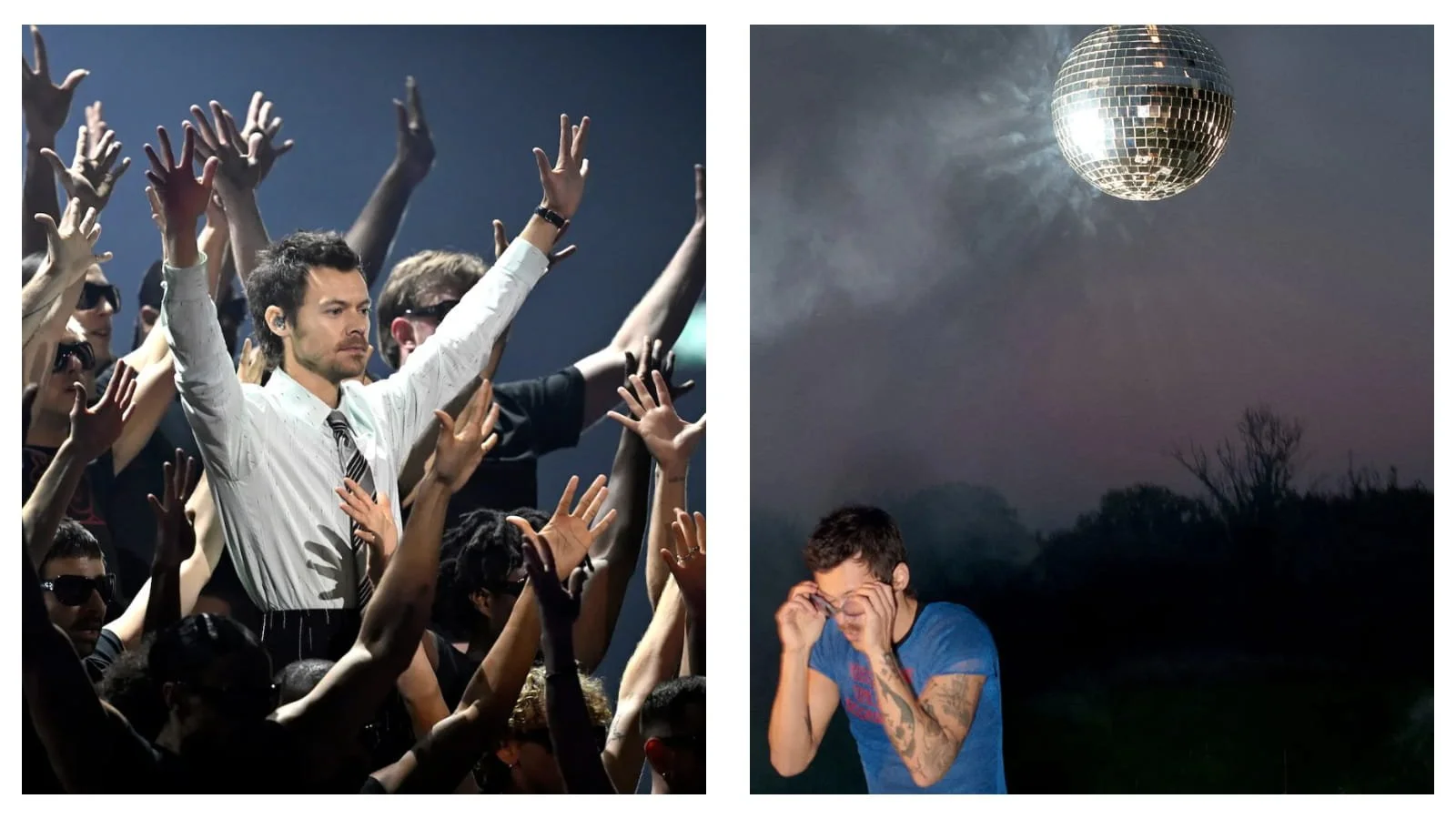
YOU MAY BE INTERESTED IN: Music news: ‘Kiss All The Time, Disco Occasionally' – How does Harry Styles nail it every time?
Decades of survival
The UK has its own deeply rooted venues that have carried this culture forward, and The New Penny in Leeds stands as one of the country’s most significant examples.
Originally opened in the 1950s as the Hope and Anchor, it is widely recognised as the longest-running gay bar in the UK.
At a time when homosexuality was still illegal, the venue operated as a discreet but vital meeting place, even enduring police raids throughout its early history.
If you’re lucky enough to step inside the doors of The New Penny today, you can meet partiers of all generations, coming together to celebrate the music, performance and community that comes along with gay culture.
While songs and trends may have evolved, the core function of the space, as somewhere to feel safe and seen, has remained remarkably consistent.
The lasting legacy
Today, the legacy of gay clubs can be heard across genres, from chart-topping pop to underground electronic scenes.
The structure of modern DJ sets, the emphasis on extended mixes, and even the communal energy of festivals all trace back to these early spaces.
At the same time, there has been a renewed appreciation for the pioneers who shaped these movements, ensuring their contributions are recognised rather than forgotten.
In clubs across the globe, the profound influence of gay culture continues to pulse through every beat, proving that the dancefloor has always been about more than just music.
If you have the time, head to your local gay bar tonight - I promise you won’t regret it.
READ NEXT: Music news: Grammy award winner Olivia Dean hits the road, Sam Fender collab in the spotlight