

AI in the world of music
What is in store for the future of music with the rise of artificial intelligence?
By now, Artificial intelligence is being used in various aspects of our lives, from writing our essays to creating animations, and is now entering the music industry, causing large debate.
Music News Blitz writer Megan Rogers-Jones explores how the technology is reshaping creativity, ownership, and the future of the industry.
AI and the revival of The Beatles
The use of AI allowed The Beatles to release their final record in 2023, “Now and Then,” a song that was originally recorded in the 70s by John Lennon, was brought to life 40 years later, with the help of artificial intelligence.
The other members of the band were able to isolate John Lennon's voice in parts of the original demo, allowing the other band members to sing with Lennon and letting us hear him play the piano one last time.
This record was huge for Beatles fans as they had not released anything since 1970, but with the use of AI, they were able to bring John Lennon's unfinished material to life.
Jenn Kirby, a music industry and music technologist lecturer at the University of Liverpool, shared her thoughts on the use of AI, stating the complexity of the topic:
“Sure, we can also embrace new tools, that is a big part of music technology and artistic practices - to consider the practice inseparable from the tool, the tools not being neutral in the process, but we're at a stage where we don't understand that balance or have not time to consider it.”
READ MORE: AI-Generated hits: Are we listening to real artists?

AI music and the challenge of voice cloning
But AI is not only being used to help artists in creating music, but is also being used to create music all by itself.
British R&B singer Jorja Smith has recently made headlines, as her label has called for a share of royalties of a viral TikTok song cloning the artist's voice.
“I Run” by dance act Haven with Smith's voice featured was making its way to the UK charts until it was banned by streaming services after record industry bodies' takedown service, as the song was allegedly in violation of copyright by impersonation of another artist.
Smith’s record team, FAMM, put out a statement on Instagram, saying this is bigger than one artist or one song.
Artists push back against AI’s use of copyrighted work
This is not the first time AI being used for music has arisen as an issue for artists.
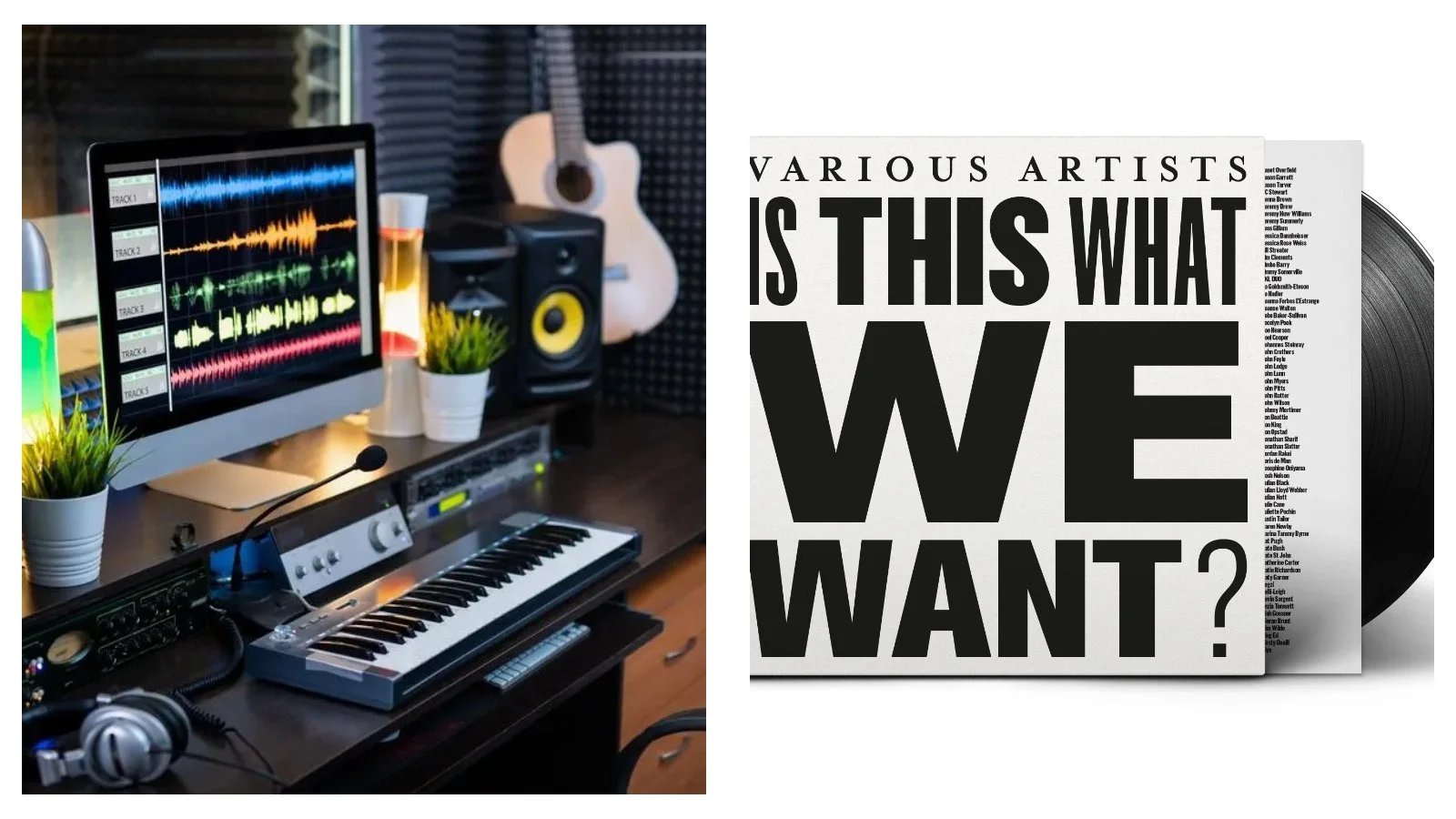
Earlier this year, 1000 UK artists came together to create the album, Is This What We Want?.
The album, with artists such as Kate Bush and Damon Albarn involved, was created in protest to the UK trying to pass a law that would allow artificial intelligence companies to build their products using other people's copyrighted work.
The album includes 12 songs, which are put in an order to say ‘The British Government Must Not Legalise Music Theft to Benefit AI Companies.’
Each track is silent, recordings from empty studios and performance venues as a metaphor to represent the impact the law's passing would have on musicians' livelihoods, and all the profits from the album are being donated to the charity Help Musicians.
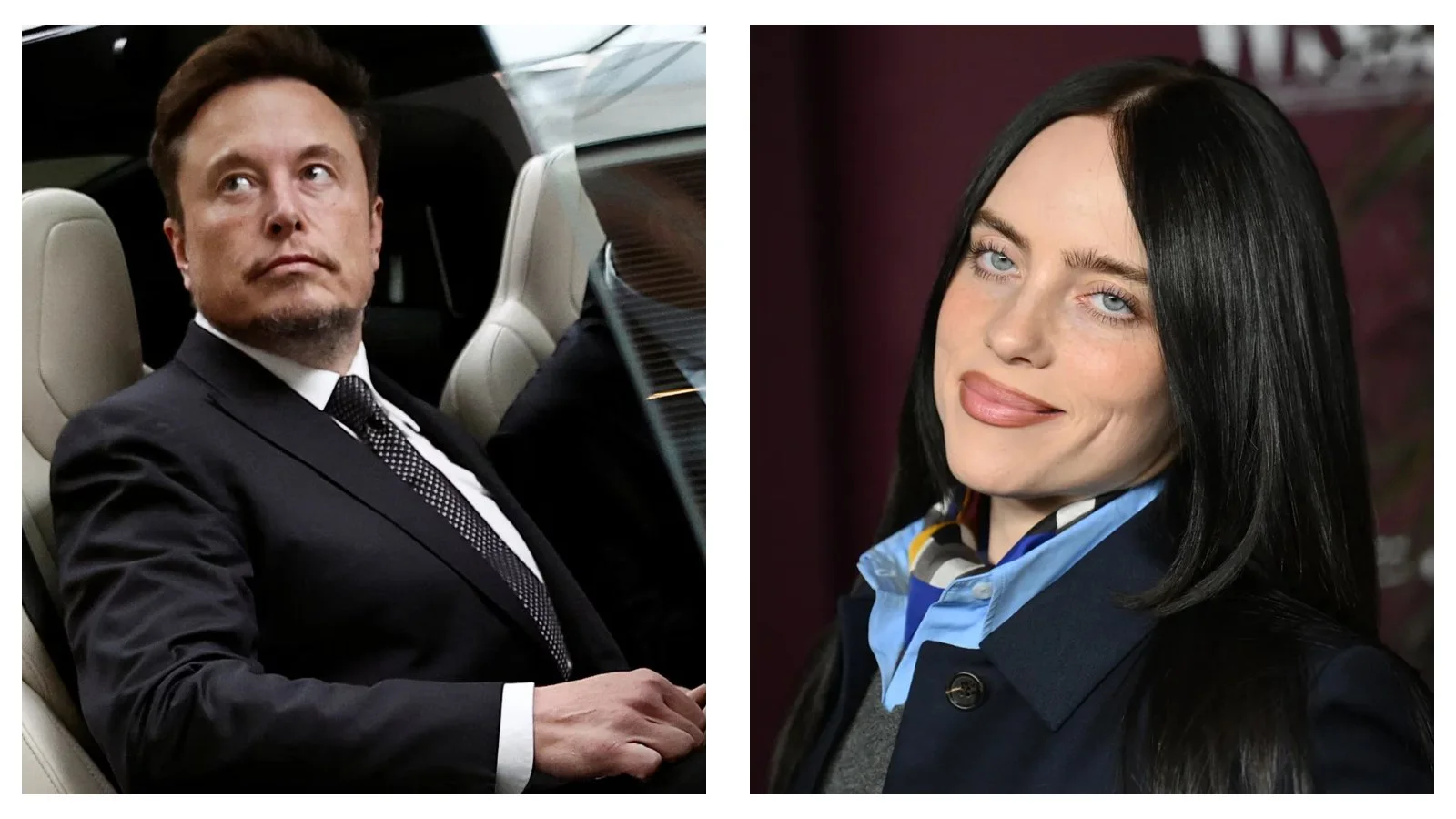
ALSO ON MNB: Head to head with Elon Musk: Is Billie Eilish a performative millionaire or a true hero?
How smaller artists see the impact of AI
Music News Blitz writer Megan Rogers-Jones spoke to Max Bianchi, who is a member of the small Manchester-based band Dog Complex, who sees the use of AI being a loss to many aspects:
“There are a lot of things that you can apply it to in music that can make things easier for people and make things faster and more efficient.
“But, you know, creativity, it's not all about efficiency and whatever will churn out things as quickly and cheaply as possible.
“Because, yeah, we're living in an industry where it's not just creativity for the sake of making things and enjoying art, which is a lot of the reason that people do it, obviously, but we are living in a society where it is also so much based on money and getting jobs.
“So then it's putting it into the perspective of every soundtrack that is written by AI is someone who is now not getting a job. Like previously, they would have hired a composer or even like getting samples for instruments, voices, things like that, but as AI voices developed, they'll get more and more, and right now we're at a stage where it is like AI music is not good.”
There is no clear view on whether the combination of Artificial intelligence and music is a positive or negative because there are so many complexities surrounding it.
The debate of its use in the industry will continue, but one thing is certain is we will be seeing more of it.
READ NEXT: What makes a popstar ‘real’? Authenticity through CMAT and Chapelle Roan
