

Music analysis: Can Bon Jovi still fill stadiums in 2026?
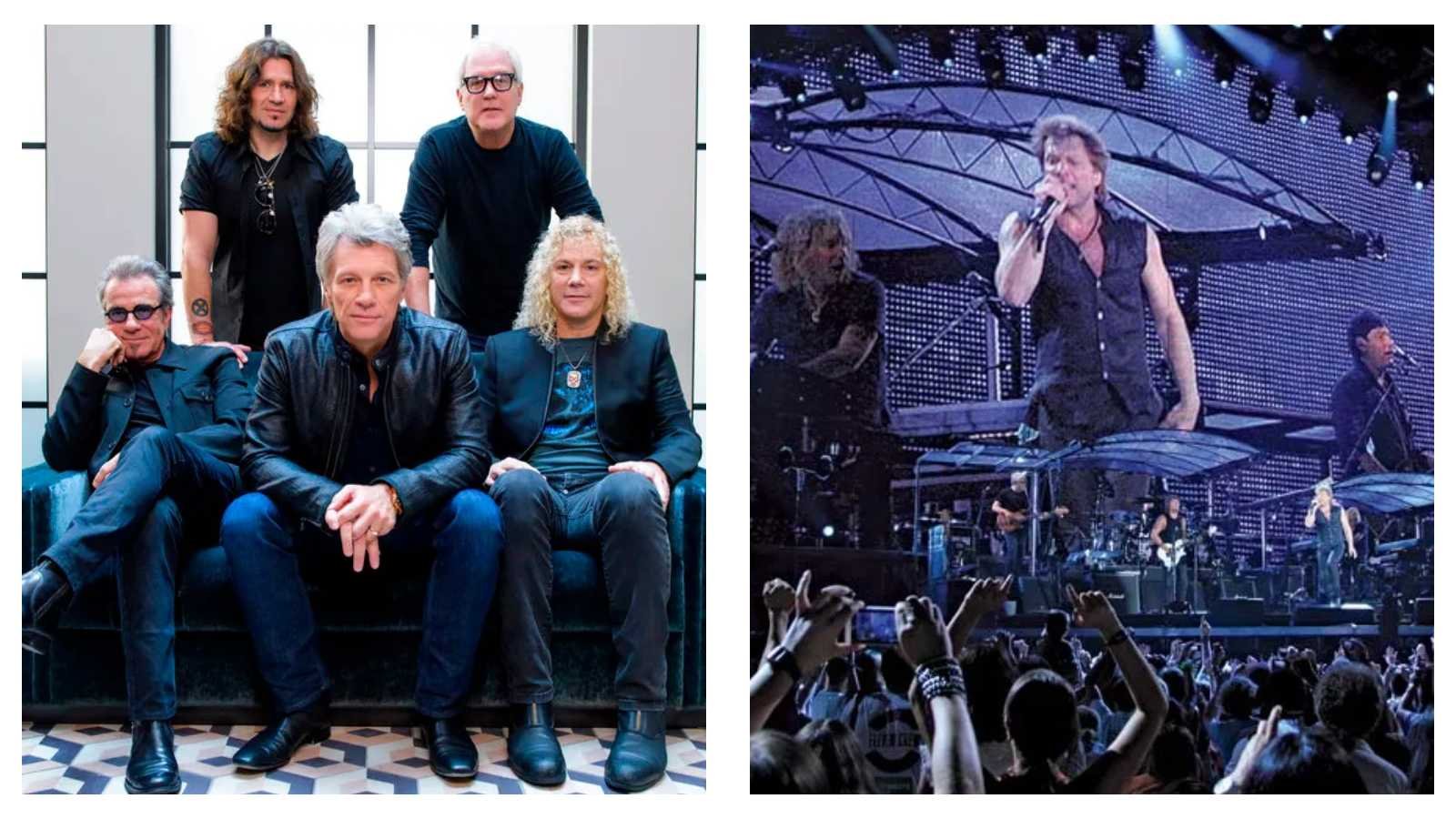
Legendary American rock band Bon Jovi are preparing to return to the stage with the Forever Tour in 2026 and 2027.
For a group that helped define stadium rock throughout the 1980s and 1990s, the upcoming tour could answer one of the biggest questions surrounding the band's future, writes Music News Blitz's Spencer Oza.
The real test in 2026 is not whether Bon Jovi can still tour – it's whether they can still sell out stadiums.
A band built for stadiums
Jovi remains one of rock music's most enduring acts, led by frontman and co-founder Jon Bon Jovi.
The current lineup includes keyboardist David Bryan and drummer Tico Torres, both of whom have been part of the band since its early years.
Guitarist Phil X officially replaced longtime member Richie Sambora following his departure in 2013, while bassist Hugh McDonald, who spent decades as a touring and session musician with the band, became an official member in 2016.
More than four decades after their formation, Jovi continues to perform and record music.
However, the biggest question facing the band today is whether they can still attract the massive audiences to fill the world's largest venues.
Jovi's songs were built for stadium audiences. Anthems such as ‘Livin' on a Prayer’, ‘It's My Life’, and ‘Wanted Dead or Alive’ remain deeply embedded in popular culture.
These are not simply songs for longtime fans, they are tracks recognised by millions of people around the world, even if some listeners do not immediately realise Jovi are the band behind them.
The real test: Live performance
The greatest uncertainty surrounding the Forever Tour is not popularity, it is performance.
Following Jon Bon Jovi's vocal surgery and subsequent rehabilitation, questions have remained about whether the band's live shows can still meet the expectations associated with a stadium-rock spectacle.
While vocal perfection is not always essential in large-scale rock performances, stamina, consistency, and stage presence remain crucial.
Fans paying stadium prices expect a show that feels powerful and celebratory rather than one overshadowed by concerns about the singer's voice.
For Bon Jovi, the success of the tour may depend as much on delivering a convincing live performance as it does on selling tickets.
Early demand suggests strong interest
The announcement of the Forever Tour has already generated significant attention among fans.
Major stadium dates in cities such as London and Dublin are expected to attract strong demand, while multiple-night bookings at major venues have historically been a sign that an artist remains a major live draw rather than simply a nostalgia act.
The band's global reputation, combined with decades of chart success, gives them a considerable advantage over many veteran acts attempting to return to stadium touring.
MORE BY SPENCER OZA: Music news: Olivia Dean’s ‘The Art of Loving Live’ tour – and the albums that defined her

The power of nostalgia
Nostalgia will also play a major role in the tour's success.
Many of today's biggest stadium tours are driven by legacy artists whose audiences span multiple generations.
Original fans who grew up with Jovi's music are now attending concerts alongside their children, while younger listeners continue to discover the band's songs through streaming platforms, social media, and film and television soundtracks.
This multi-generational appeal has become one of Bon Jovi's greatest strengths.
Unlike many heritage acts, their biggest hits remain familiar to audiences well beyond the generation that first embraced them.
Can Bon Jovi still fill stadiums?
The demand for Jovi's music remains undeniable, and their catalogue contains some of the most recognisable rock songs ever recorded.
Few bands can match their combination of global name recognition, classic hits, and decades of success.
Whether the Forever Tour becomes a genuine stadium triumph, however, will ultimately depend on the quality of the live performances.
In 2026, Jovi does not need to prove that people still know who they are.
They need to prove that audiences still want to experience them live on the biggest stages in the world.
READ NEXT: Music analysis: Five DJs to look out for this summer
