Music analysis: The Weeknd’s evolution
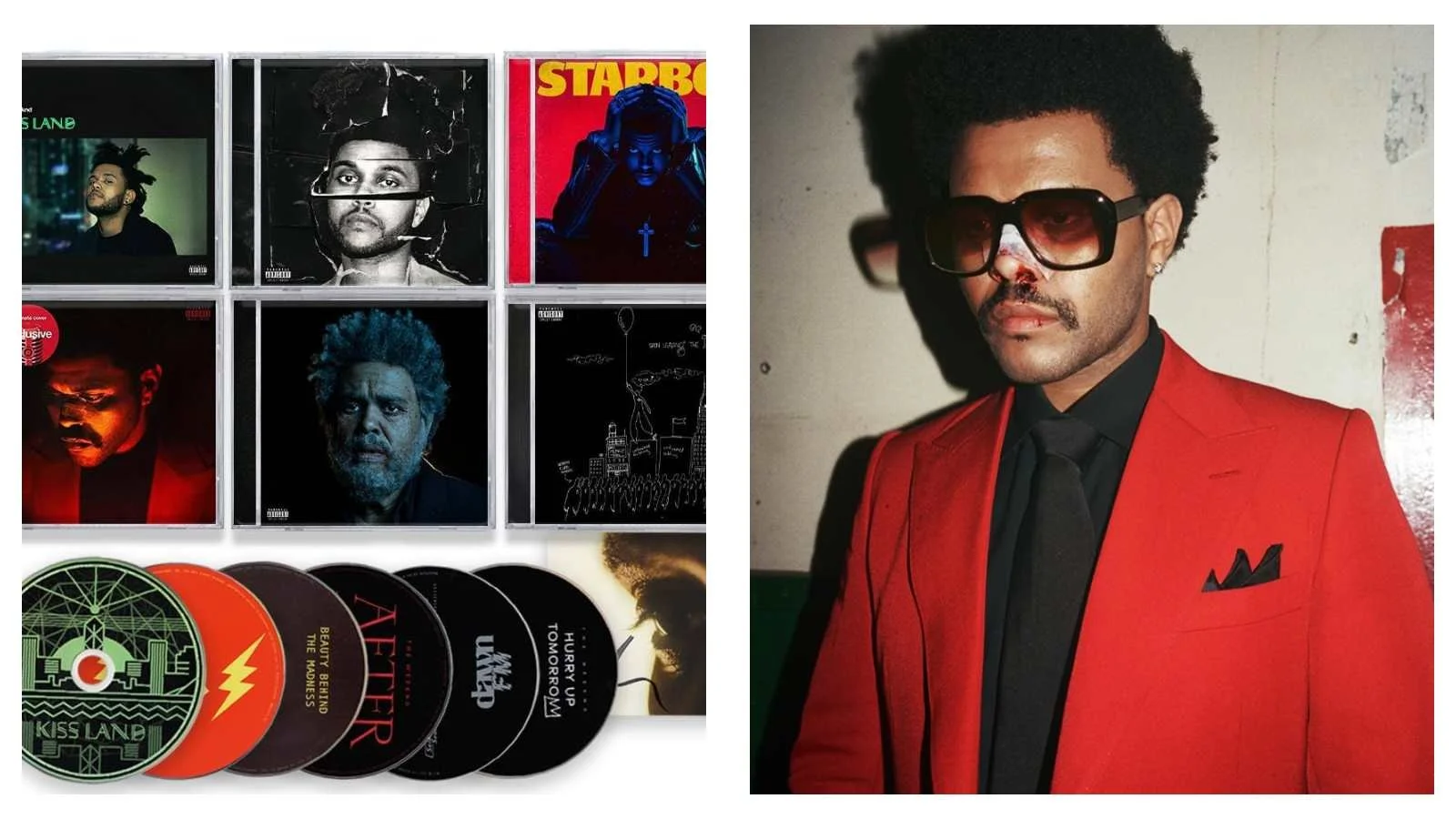
Abel Tesfaye, known professionally as The Weeknd, rose to fame in 2011 by uploading anonymous songs online.
Since then, he has become a global superstar.
His music blends R&B with electronic influences, creating a unique sound that redefined modern R&B and made him a major force in the genre.
Redefining modern R&B
When The Weeknd emerged in 2011, R&B was dominated by artists such as Usher, Chris Brown, Ne-Yo, and many others.
His early mixtapes introduced a darker, more experimental approach, with songs that explored themes of loneliness, relationships, heartbreak, and emotional conflict.
While many R&B artists followed a familiar route, The Weeknd stood out by using minimal production and atmospheric beats to create a dark, tense mood in his music.
This fresh sound helped transform the genre, showing that R&B could be more unconventional and emotionally complex.
His influence also made it easier for a new generation of artists to experiment with bolder and more creative ideas.
At the beginning of his career, no one knew who The Weeknd was or what he looked like, yet listeners were instantly captivated by his music, which quickly spread across the internet.
MORE ON THE WEEKND: Music analysis: A look at The Weeknd’s ‘After Hours Til Dawn Tour’
The Weeknd's Musical Evolution
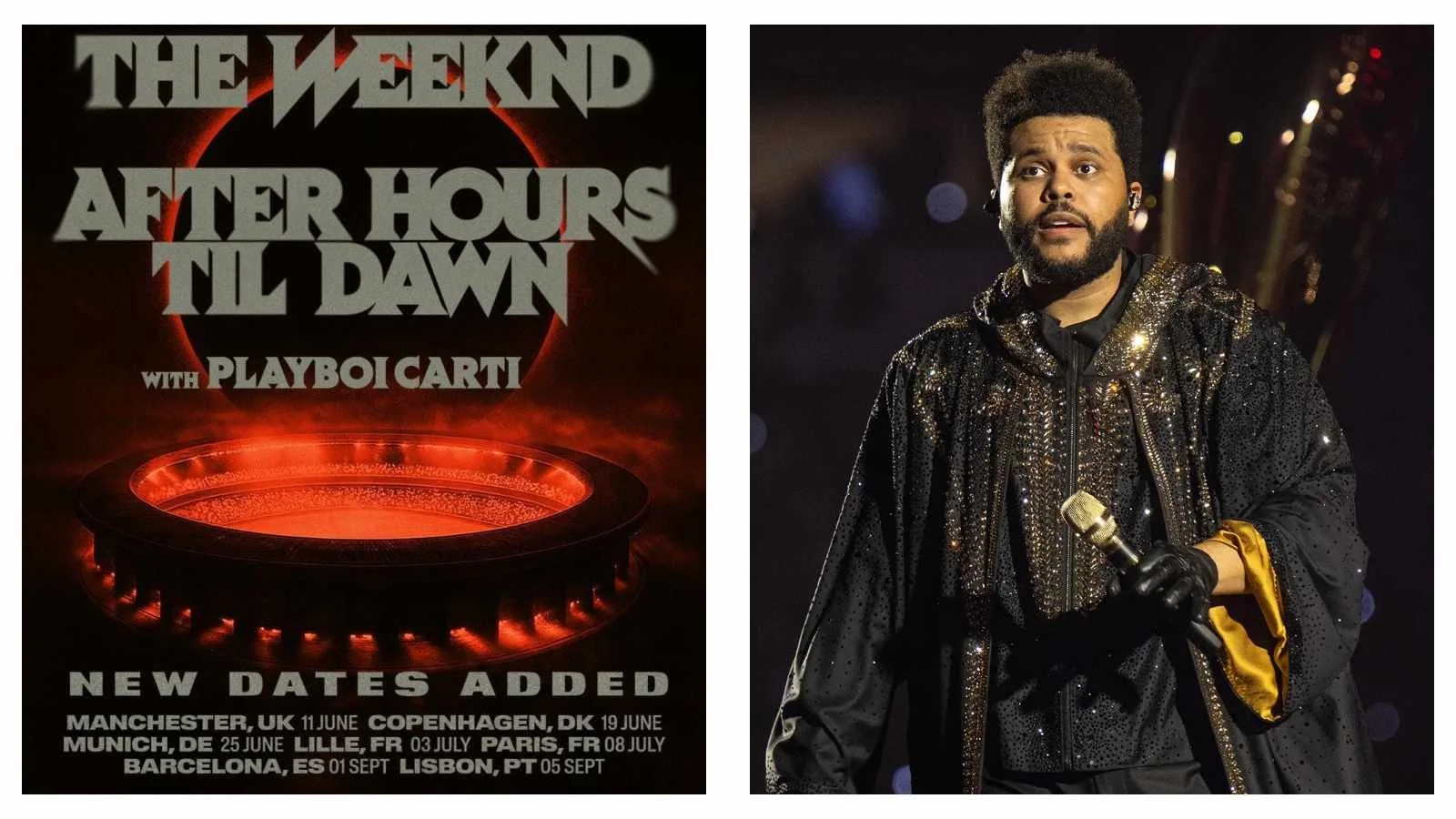
The Weeknd's musical evolution can be seen through both his albums and his collaborations with other artists.
On major albums such as “Beauty Behind the Madness”, “Starboy”, and “After Hours", he expanded his reach by working with artists from different genres.
His collaboration with Daft Punk introduced a stronger electronic influence to his sound, while features alongside Kendrick Lamar, Lana Del Rey, and Ariana Grande helped him blend R&B, hip-hop, and pop music.
Rather than collaborating with big names simply to boost record sales, The Weeknd consistently chose artists whose styles complemented his own creative vision.
As of 2026, The Weeknd continues to dominate the global music scene through record-breaking tours, ongoing creative projects, and the release of new music.
READ NEXT: Music opinion: Are fans taking concert culture too far?