

Music analysis: How bands can build strong online fandom communities without being overbearing

Fandom culture is a core part of bringing a band into the mainstream, with Beatlemania as early as the 1960s being one of the most influential examples of how a dedicated fanbase can shape an artist’s popularity.
Once the internet came into the picture, dedicated spaces for fans were quickly formed: forums, message boards and fan sites became sanctuaries for fangirling.
However, with Tumblr no longer being a dominant social media platform, and fan sites not as common as they once were, the lines have blurred.
These fan spaces, once entirely separate, now co-exist on the same platforms used by the celebrities themselves.
So how can artists engage with the people that love them most without overstepping boundaries? Music News Blitz’s Emily Wallwork gives her thoughts.
The rise of fan teams
Probably the most similar replacement for fan sites has been the emergence of accounts run by social media teams dedicated to fandom engagement.
One of the most recognisable examples is Taylor Nation, the official social media team of Taylor Swift.
These accounts interact with fan-made content, projects, and the general discussions around the artist.
This allows fans to interact with the official representatives of the celebrity rather than the artists themselves.
Many people may feel as though this creates a large gap between fan and idol, as the love is being recognised by someone who is not the artist.
However, this isn’t always the case.
During Taylor Swift’s Eras Tour, fans attending the concert began creating friendship bracelets for each other and trading them whilst queueing.
The Taylor Nation Twitter/X account engaged heavily with this project, acknowledging and supporting it until it became a tradition done by the majority of attendees.
It became so popular that it eventually caught Swift’s attention, and she expressed her love and appreciation for it during her 2024 New Orleans show.
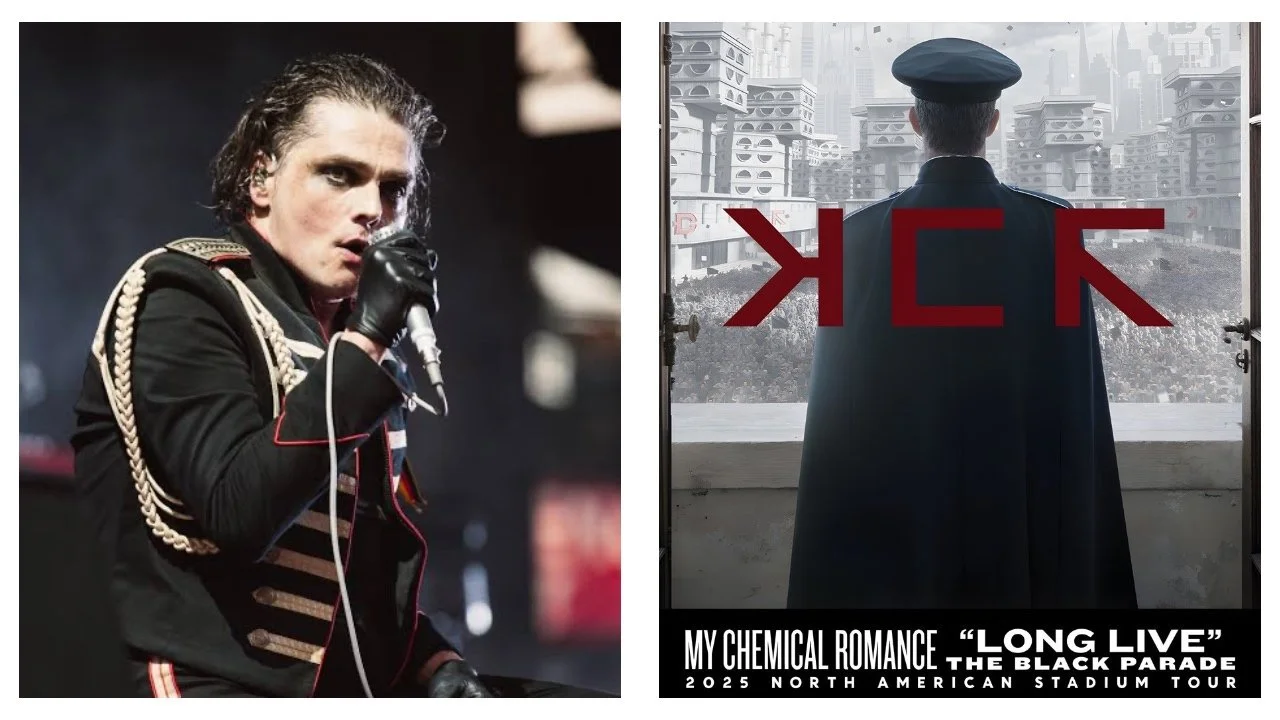
READ MORE: The Black Parade is ending - but what do My Chemical Romance have planned for Halloween?
Involvement of fan art
Another way fans express their love is through fan art, where people spend hours drawing art of, or associated with, the music and artist that they love.
Early 2000s post-hardcore band A Heartwell Ending recently reunited after a 20-year hiatus and upon releasing new merchandise, faced criticism from their fanbase.
People claimed that the merch designs didn’t reflect the aesthetics and style of their fanbase.
Upon hearing this, the band reached out to fan artists and commissioned them to design T-shirts for them.
Not only did this allow the fans to have a direct influence and work with the bands they love, but it also platformed artists who had previously been creating art for free.
Many other artists, especially in alternative spaces, have begun reaching out to fans for merchandise commissions.
Examples include Paramore, My Chemical Romance, and Nothing But Thieves.
Where boundaries are crossed
As much as bands can celebrate the love their fandom is giving them online, not everything is intended for their attention.
One of the most controversial examples of fandom spaces is fanfiction, stories written based on/including the artists they’re fans of, and it raises a lot of ethical arguments.
Rather than being platformed on popular social media, such as Twitter or Instagram, fanfiction tends to be published on separate platforms, such as Archive of Our Own, which are archives that don’t have an algorithm to push content.
It is common for people who write fanfiction to do this away from the attention of the artist, not using it as a way to try and get recognition, but just as a form of personal creative expression.
However, as fanfiction begins to be seen as trendy amongst the mainstream, it tends to be breaching containment.
RPF (Real Person Fiction) featuring band members is widespread and is not meant to be recognised by the muse.
It’s placed on another side of the internet, on a website where you need to deliberately seek it out to be exposed to it.
However, this has a habit of being violated.
From artists being forced to read fanfictions about themselves aloud on talk shows, to them being asked by interviewers whether they have read any about themselves, Harvard English professor Anna Wilson described it as a “major violation of the RPF writer’s privacy, as well as the celebrity’s”.
Finding the right balance
Ultimately, the key thing that needs to be thought about by anyone attempting to bridge that gap between fan and idol is, ‘whose eyes is this intended for’?
Is the matter at hand something a fan created specifically for the celebrity they look up to; or is it only meant to be seen by other fans who are reaching for that specific content?
READ NEXT: Music news: How the rise of AI-generated music is changing the music industry
