

Music analysis: Why music feels less monumental in the streaming era

Claims are often made that “music used to matter more,” and “it used to tell stories,” implying that today's music doesn’t hold the same substance that it once did, writes Music News Blitz’s Darshan Kaur Gill.
Music today is vastly different from music 20 years ago, whether it be the way musicians presented their music or how it came into public consciousness – the way music is created and consumed has changed drastically.
Under-saturation of music content
Music in the 2000s and earlier were an event, with countdowns to album releases and long promos. It was scarce and harder to access, making music more exclusive.
Before streaming, music was harder to access and more expensive; albums were saved up for, listened to repeatedly, and listened to in track order so the story was told in its entirety.
Because access was limited, attention was concentrated resulting in a more in depth understanding of the story the musician was trying to tell with their art.
An album could dominate pop culture for months due to undersaturation of music in the market, creating a feeling that only one thing could be focused on at a time.
YOU MAY ALSO LIKE: Music news: Party101 is a global sensation - How #nostalgia has taken over this decade
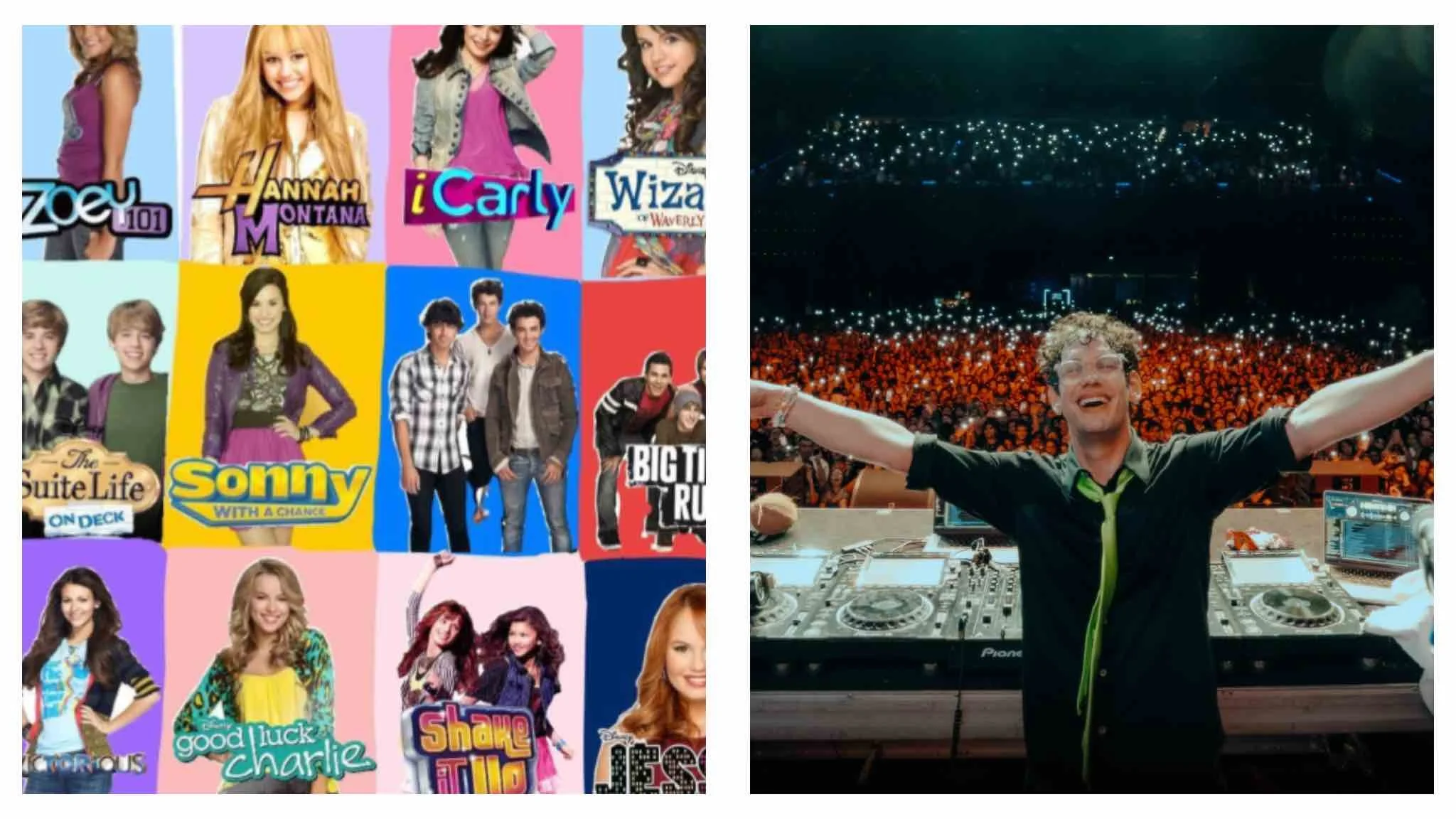
The streaming era
Today, society has evolved alongside technology, resulting in the way we consume music changing significantly.
There can be more than one thing in the centre of public consciousness, with music releases now competing with other forms of media, whether it be games, podcasts, streaming, and social media.
Music has now become background to other media rather than a main entertainment medium.
Technology has changed the way people listen to music; radio, tv and local music stores helped to create a shared cultural moment for people hoping to discover new music.
Streaming helped fragment the monoculture that existed within music, allowing consumers access to multiple new micro–cultures that they may not have been exposed to.
Anticipation was a huge part of what made music the dominant culture of entertainment with album releases taking place on specific dates, physical launches, and fewer releases overall.
Now there’s an endless stream of content; everything is instantly available resulting in individual works feeling less monumental.
Nostalgia for a different time
The claim of music mattering less may be made due to nostalgia.
Teenage years and early adulthood are often the most formative years; music can then become tied to the emotions they experienced in those times.
Older generations can remember music as more meaningly solely due to the emotional tie they created at those formative stages of life.
It is less that music is no longer meaningful, but rather that culture became more fragmented, the musical landscape became more saturated, and music stopped being the dominant culture meaning people no longer build identity and community around it.
READ NEXT: How Ticketmaster’s dynamic pricing works and how to avoid it
