How Ticketmaster’s dynamic pricing works and how to avoid it
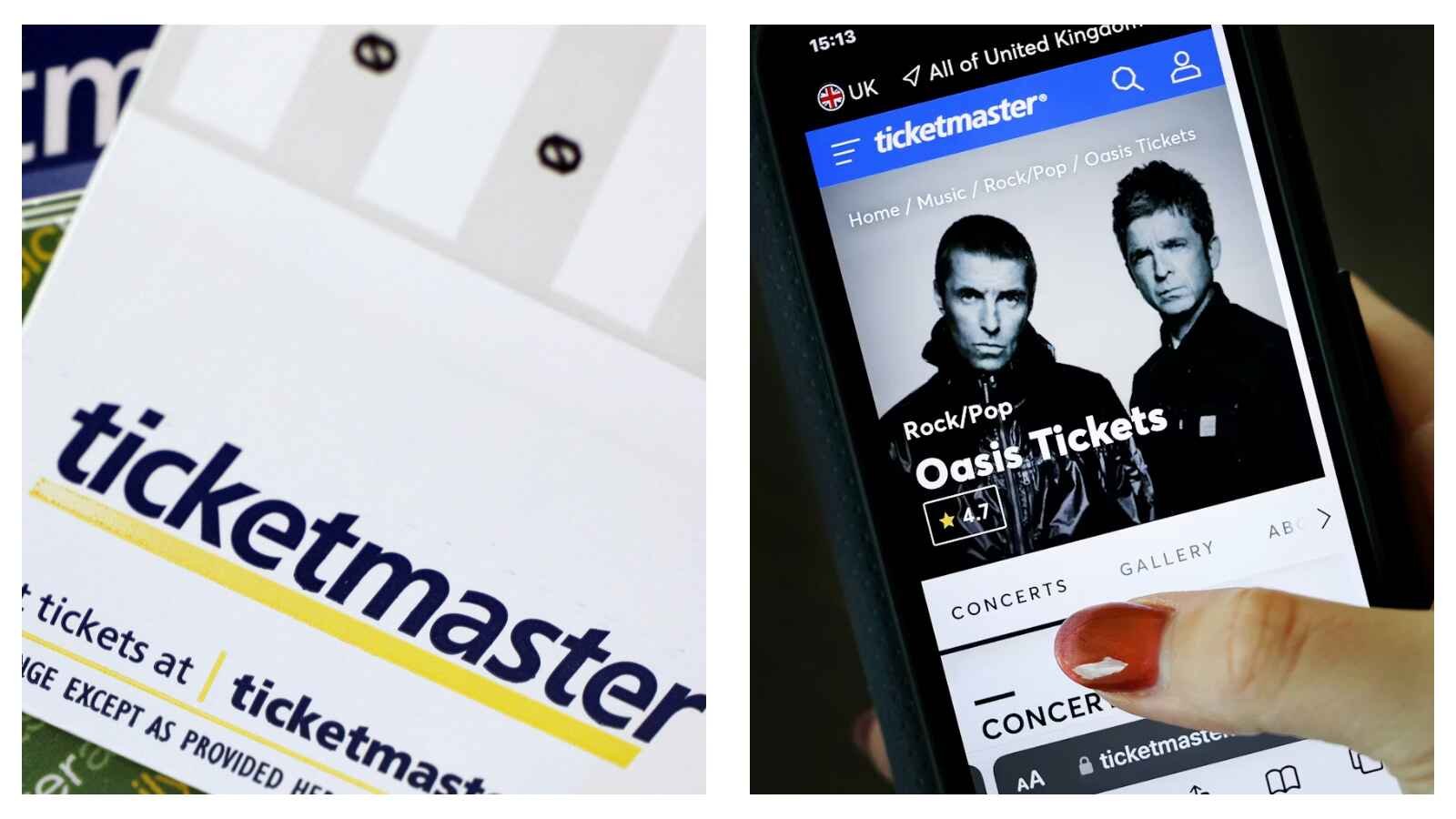
From £90 to £500 in a matter of minutes, does dynamic pricing make sense, or is it robbing fans? Music News Blitz’s Harry Perdios gives his thoughts.
Picture this: It’s 10am, and you are online waiting for the chance to purchase a ticket to see your favourite artist live. You enter the waiting room; everything feels calm and collected… You’ve got this.
The time has come; you join the official queue. You blink and open your eyes to a bright blue progress bar. You’re number 20,000 in the queue. At this moment, you begin to panic, but you wait desperately, holding on to hope.
An hour passes, and what feels like an endless battle is almost over as you see a spinning wheel reassure you it’s almost your time.
“You’re in” … Or so you thought. This is when the real battle begins. You scan the page to find a seat, that’s when numbers scream back at you: £200, £500, £1000.
What started as a search for concert tickets turned into a bidding war designed by an algorithm. The battle is lost.
That is the average Ticketmaster experience thousands face each year.
What is Ticketmaster?
Ticketmaster is the world’s largest ticket marketplace, handling the sale and distribution of tickets for concerts, sports, theatre and major events.
Since its founding in 1976, the company has now expanded to more than 30 countries and processes hundreds of millions of tickets each year through partnerships with artists, venues and promoters.
Today, Ticketmaster controls over 60 percent of the ticketing market in the UK.
Controversy
With Ticketmaster dominating the ticketing industry, many critics believe that ticketing services have become monopolised by a select handful of companies.
The concern deepened after Ticketmaster merged with Live Nation Entertainment, one of the world’s largest concert promoters. Due to Live Nation’s popularity, Ticketmaster has an extreme advantage, with many tours and venues favouring its platform over competitors such as AXS.
The company has also faced backlash over its high service fees and its use of dynamic pricing, making the already limited number of available tickets even less attainable for ordinary fans.
What is dynamic pricing?
Dynamic pricing is a process in which companies use AI, algorithms and consumer data to increase prices when demand surges and lower them when demand declines.
This is done to maximise the profit from sales and to generate more money for the company, venues and artists.
This is often seen within various industries, including airlines and even Uber.
In simple terms, the more people in the room, the higher the cost.
Resellers
It could be argued that this system helps combat ticket resellers and scalpers.
In theory, if Ticketmaster raises prices in response to demand, secondary sellers have less room to inflate prices further from profit, as they will become too expensive for fans to purchase from them.
Ticketmaster claims it prevents the incentive for resellers to purchase tickets in bulk and resell them at drastically higher prices.
YOU MAY ALSO LIKE: Music analysis: Why have concert ticket prices risen so much?
Increased prices
Problems arise when companies like Ticketmaster push ticket prices far above their original prices.
An example of this is during ticket sales for the Oasis Reunion in 2024. Tickets doubled from £148 to £355 due to live demand.
Some resale tickets for Taylor Swift’s Eras tour skyrocketed to over £10,000.
Many critics view the system as extracting higher profits from fans, arguing it takes advantage of the emotional demand for financial gain.
What can artists do?
Truthfully, this method can be prevented. Artists can choose to opt out of dynamic pricing to keep ticket sales accessible for fans. This has been seen with artists such as Hozier and Ariana Grande.
By declining dynamic pricing, artists accept that profits made from ticket sales will be considerably less, but do this to support ticket buyers. Therefore, preventing tours from becoming an exclusive event for wealthier fans.
Ed Sheeran has even banned resale tickets for his shows from being sold through third-party websites. You can now only resell his tickets through secure and authorised websites like Ticketmaster and only at face value.
Sheeran has also implemented a rule that a proof of ID must be provided with every ticket sale to prevent bots. This removes the appeal of dynamic pricing being used to combat resellers.
What can you do?
The best way to avoid inflated prices is simply by waiting for the demand to drop. This is done by purchasing tickets after peak sale times.
By using presale access to tickets, often found through fan club presales or promotional access lists, such as O2 Priority, the number of individuals trying to purchase tickets will be significantly less than on general release days.
As of September 2025, Ticketmaster must provide information on ticket prices. It is recommended to compare pricing to see if dynamic pricing is active.
Alternatively, you could check different dates and cities to see if demand is lower for other dates.
READ NEXT: Vinyl revival: Is physical music making a comeback?