Music opinion: Rock & Roll Hall of Fame 2026: A British takeover?
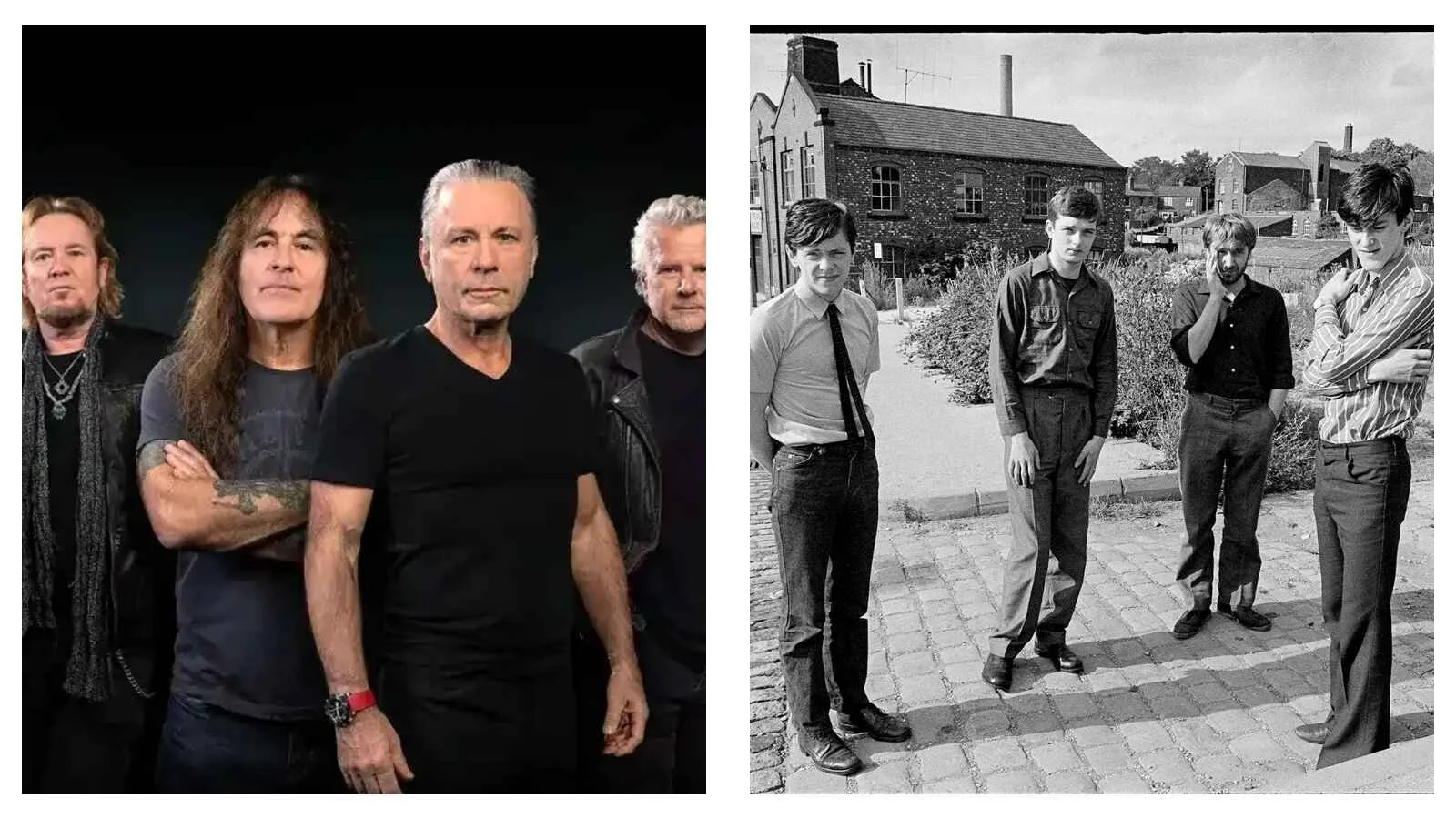
Iron Maiden and Joy Division
This year features a record number of British artists being inducted into the Rock & Roll Hall of Fame, with rock drummer Phil Collins and heavy metal legends Iron Maiden and Oasis among those voted.
Music News Blitz’s Maisie Sharp-Fehr shares her thoughts…
Significance of the hall of fame
This year has seen the highest ever British presence in a single class in the 40-year history of the Rock Hall of Fame.
Out of the eight inductees, six are British artists: Billy Idol, Oasis, Phil Collins, Iron Maiden, Joy Division and Sade, highlighting Britain's lasting influence on Rock & Roll and how the country has played a lead role in shaping the evolution of rock music.
What is the Rock & Roll Hall of Fame?
The Hall acts as a reminder and celebration of the cultural significance of rock music, honouring contributions of those who have played a large role in the category's creation.
Artists are only eligible for the Rock & Roll Hall of Fame 25 years after their first commercial recording.
The museum sits in Cleveland, Ohio whilst the induction ceremony frequently moves between cities.
Critics argue that the institution prioritises American Rock & Roll rather than a contribution to its development globally.
Nonetheless, it plays a major role in shaping the narrative of Rock music, with votes relying on fans as well as a professional ballot.
Spotlight
The new record set for British representation shows artists from a diverse span of musical eras hitting historical milestones.
The cultural phenomenon of the British Invasion, post the 1960s, redefined what rock music looked like – bringing a fresh, and often psychedelic artistry to the culture of rock music.
Here are the British inductees for the Rock & Roll Hall of Fame this year:
Phil Collins – selling over 150 million records worldwide, he is being celebrated for his prominence behind the drum kit, including his distinctive voice that has influenced generations of musicians.
Joy Division – being praised for their spearheading in the late 1970s and their ability to establish an identity through all aspects of their presentation.
Oasis – exploding out of the 1990s, the combative relationship of the brothers have led to, arguably, some of England's go-to anthems.
Iron Maiden – the band was responsible for shaping heavy metal in the 1980s, taking audiences on an atmospheric journey.
Sade – defining R&B through timeless music, selling over 50 million copies.
Billy Idol – being recognised for his enduring hits on the 1980s and his ability to adapt to the times throughout his musical journey.
YOU MAY ALSO LIKE: Music opinion: Coachella took ‘2026 is the new 2016’ seriously

Controversy
The Rock & Roll Hall of fame has faced criticisms over the years, with many questioning its ability to tell the story of Rock & Roll in prioritising sales and streams.
Even Liam Gallagher has taken shots at them, taking to X and writing that: ‘it’s full of BUMBACLARTS’ and that it is for ‘wankers’.
Ironically, when asked by a fan what he would do if he won, he replied saying ‘obv go and say its the best thing EVER’.
In 2018, a journalist asked Bruce Dickenson how he felt about the Rock & Roll Hall of Fame, to which the Iron Maiden singer replied: “If we’re ever inducted, I will refuse – they won’t bloody be having my corpse in there”.
Many artists reject the Hall as it is seen as biased and US-centric, commercialising music rather than exploring its culture.
Public image
Liam Gallagher recently revealed that his Mum told him to ‘behave’ after he ridiculed the Rock & Roll Hall of Fame.
Rock is notoriously known for its rebellious image, but is it all an act?
The Gallagher brothers are frequently quoted, for not only their songs, but also their outspokenness.
This often gets circulated in the headlines, with the hypocrisy of them receiving the award highlighted as it will add more coverage to the Hall.
Awards like this are not just about the recognition of music, turning it into a wider cultural conversation.
Whether artists value the Hall or oppose it, it still plays a massive role in shaping the narrative of music history.
Most importantly, this year's inductees reflect Britain's enduring musical influence on rock & roll.
Rock music should not be treated as a commercial contest but rather as artistic expression created by musicians – that leaves the question, does it really belong in a museum?
READ NEXT: Cancel culture in the music industry: Selective accountability?