Cancel culture in the music industry: Selective accountability?
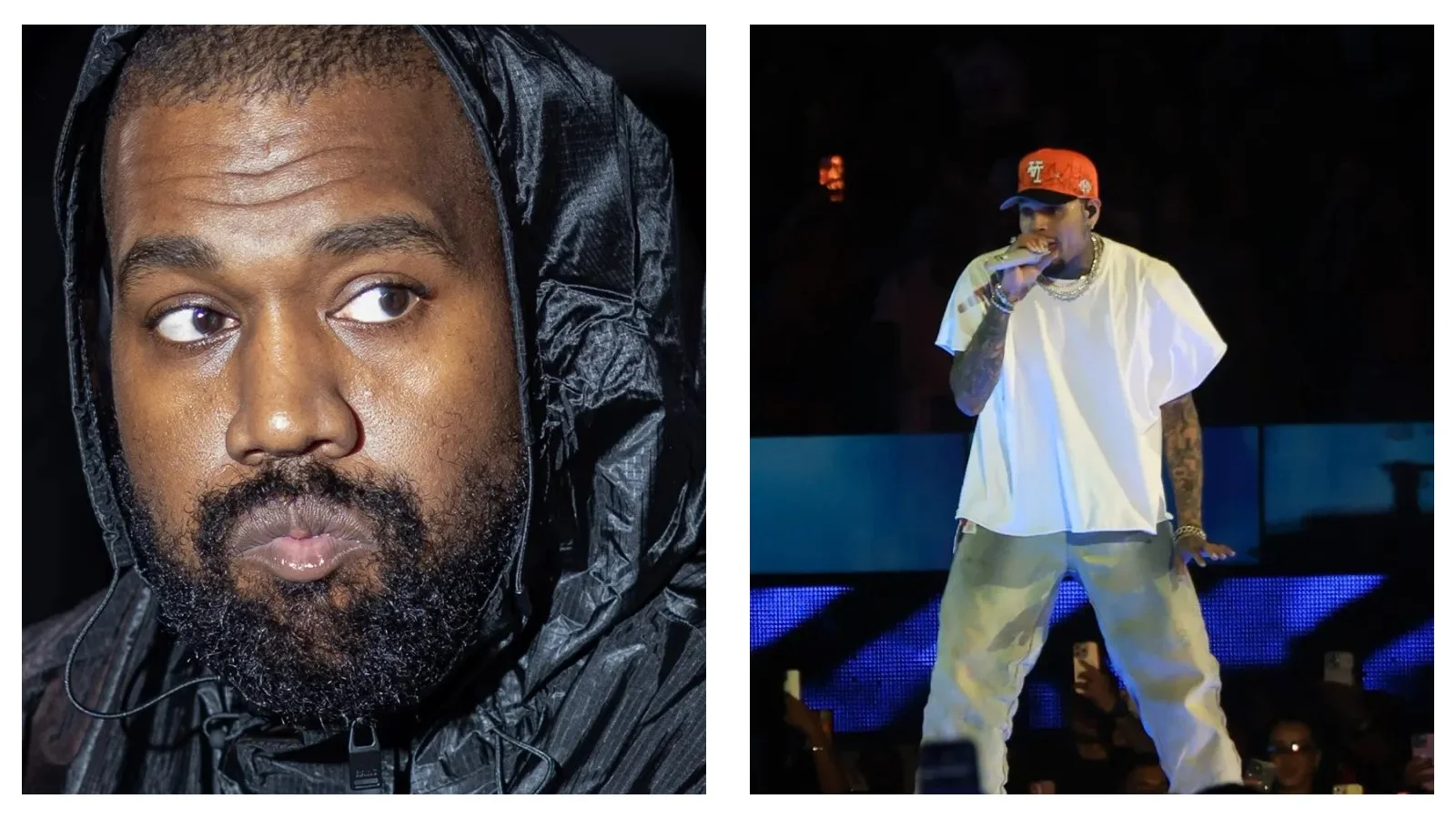
One of the UK’s biggest festivals, Wireless, has been cancelled after the headliner for all three days, Kanye West, was denied entry into the UK, which has now sparked debate online.
Is cancel culture applied equally across the industry, or is accountability just shaped by public perception and commercial value?
Music News Blitz writer Maisie Sharp-Fehr gives her thoughts.
A controversy that sparked wider questions
The decision to block the rapper from entering the UK was made following a number of antisemitic comments made by Kanye.
Although the artist has publicly discussed his diagnosis of Bipolar Disorder, Keir Starmer insisted that he should have never been invited to headline for the festival in the first place, with fans also voicing their disappointment.
Now, not only did the organisers and fans have something to say, but there has been a domino effect with major brands distancing themselves as they react to the public's scrutiny.
But not all artists are treated the same.
In 2009, Chris Brown assaulted Rihanna, his girlfriend at the time, which resulted in a felony.
Although he did receive backlash at the time, not long after, he released an apology and has since continued to play at major festivals and events.
This comparison raises questions about accountability in the music industry and why some artists are able to recover when others aren't.
Modern cancellation
Kanye’s offensive comments caused public outrage, and the pressure from the public forced brands to publicly react.
This signifies how, in the digital age, the intensity and speed of backlash are amplified by social media, as users are able to freely give their opinions.
To put it into perspective, here are some of the major brands that responded to Kanye’s action:
Balenciaga: They stated they no longer have any relationship with the artist and nor any for the future.
Adidas: The lucrative Yeezy partnership was terminated.
Foot Locker, TJ Maxx, The RealReal: All companies stated they would stop selling Yeezy-related items.
The knock-on effect of Kanye's actions shows how powerful modern cancel culture can be.
But this hasn't always been the case…
READ MORE: From politics to the decks: Why the Green Party are throwing a rave
Forgiveness
Chris Brown's assault on Rihanna, which left her hospitalised, initially caused major backlash as well as legal consequences.
In a video released online after the incident, Chris Brown apologised for his actions, stating he was “sad and ashamed.”
After this, he began to re-establish his identity in the industry, performing at major festivals and events, with the fans allowing reintegration despite the controversy.
But if Kanye wasn't forgiven, why was Chris Brown?
The digital age
With cancel culture, timing plays a crucial role in determining what the response will be from both the fans and brands.
Chris Brown's actions took place in 2009, which was long before the peak of social media, meaning people couldn't as freely share their thoughts and opinions.
In contrast, Kanye’s situation unfolded dramatically, which is an effect of millions of users across different social media platforms being able to quickly respond and criticise.
Within this, this also amplifies the pressures on brands and festivals to respond to their actions, otherwise they too are leaving themselves open to public scrutiny.
Backlash alone doesn't determine outcomes.
Think about it, Kanye would not have been invited to headline Wireless festival if he didn’t still have a significant fanbase.
ALSO ON MNB: Is AG8 coming this summer? Everything we know so far about Ariana Grande’s eighth studio album
Profit
Although controversy is often unwanted, there's no denying that it increases attention-gaining engagement on the posts.
For many festivals, weighing up public backlash and ticket sales is more important than following a moral high ground.
This shows that artists with large fanbases still remain valuable.
Can artists recover?
What happened to Chris Brown tells us that by artists trying to make amends, they can regain the trust of their fans over time.
Kanye's intense modern backlash clearly depicts how many event organisers in the industry are blinded by ticket metrics with little worry about the controversy it will spark.
Showing that accountability is not always favoured by event organisers, but rather profit and popularity.
In the music industry, it is less about what you have done than how valuable you remain.