Music review: Bad Bunny’s Superbowl half-time show as a powerful cultural celebration
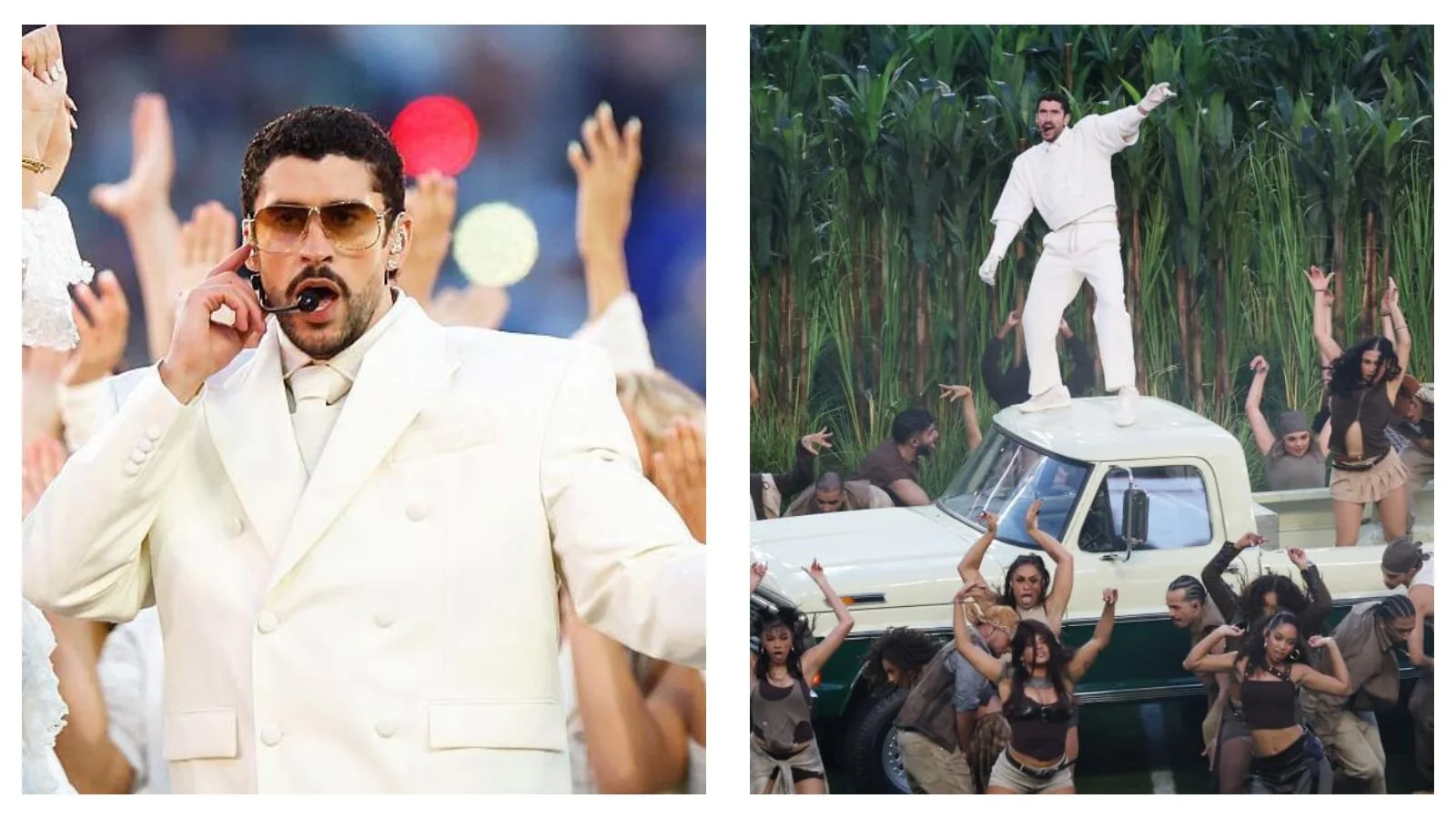
When Bad Bunny stepped onto the half-time stage, he didn’t arrive alone; he arrived with history, with culture, with the unmistakable energy of a language and identity that refuses to be quiet.
The stadium lights dimmed, the crowd roared, and then - a rhythm began.
Not just a beat, but a heartbeat, pulsing with the sounds of the Caribbean, of city streets, of generations carried forward through music.
For a few unforgettable minutes, the world’s biggest stage transformed into something warmer, louder and more alive.
A celebration where reggaetón met legacy, and where millions of viewers were reminded that music, at its best, is not just heard.
It is felt.
Music News Blitz writer Anna Ferraz expands.
A love letter to Puerto Rico
Throughout the performance, Puerto Rican culture sat firmly at the centre.
The set design, the musical arrangements and even the choreography celebrated traditions from the island - from dance influences to visual references inspired by neighbourhood streets and everyday community life.
One of the most powerful touches was the presence of traditional jíbaro imagery - a nod to rural Puerto Rican heritage and the resilience of working-class communities.
It was a reminder that global superstardom doesn’t mean forgetting where you come from.
If anything, the performance showed how success can amplify those roots rather than erase them.
READ MORE: Xiu Xiu: Eraserhead live review - A sonically baffling but loyal tribute to a cult classic
Celebration and resistance, side by side
While the performance was joyful and high-energy, it also carried quieter moments of reflection.
Some visuals referenced ongoing social and political conversations affecting Puerto Rico, including infrastructure struggles and economic challenges faced by many on the island.
These weren’t heavy-handed statements but rather gentle reminders placed into the show that acknowledged real experiences while still celebrating culture and resilience.
That balance is something Bad Bunny has always done well: creating music and performances that let people dance, celebrate and think at the same time.
A moment bigger than music
One of the most emotional moments came near the end, when visuals highlighting countries across the Americas appeared, reinforcing a message of unity across cultures and borders.
It was a powerful reminder that Latin identity is not one story, one place, or one sound - it’s a global community shaped by many histories and voices.
For many viewers, especially Spanish-speaking fans who rarely see their language dominate the Super Bowl stage, the performance felt deeply personal.
Hearing chart-topping hits performed primarily in Spanish, without translation or compromise, signalled something important: global pop culture is changing, and representation is expanding in real time.
A half-time show people will remember
At the end of the day, Bad Bunny didn’t only just give us a half-time performance.
He gave us a moment people will be talking about for years.
Seeing Spanish-language music, Puerto Rican culture, and Latin pride take over one of the biggest stages in the world felt powerful for so many fans watching at home.
It wasn’t about trying to fit into what half-time shows usually look like; it was about showing that authenticity is what makes a performance unforgettable.
When the lights went down, the message was clear: this wasn’t just a show, it was a celebration - and the world was invited to dance along.
READ NEXT: Music’s biggest night: The standout winners from the 2026 Grammys