The depiction of female artists in the media
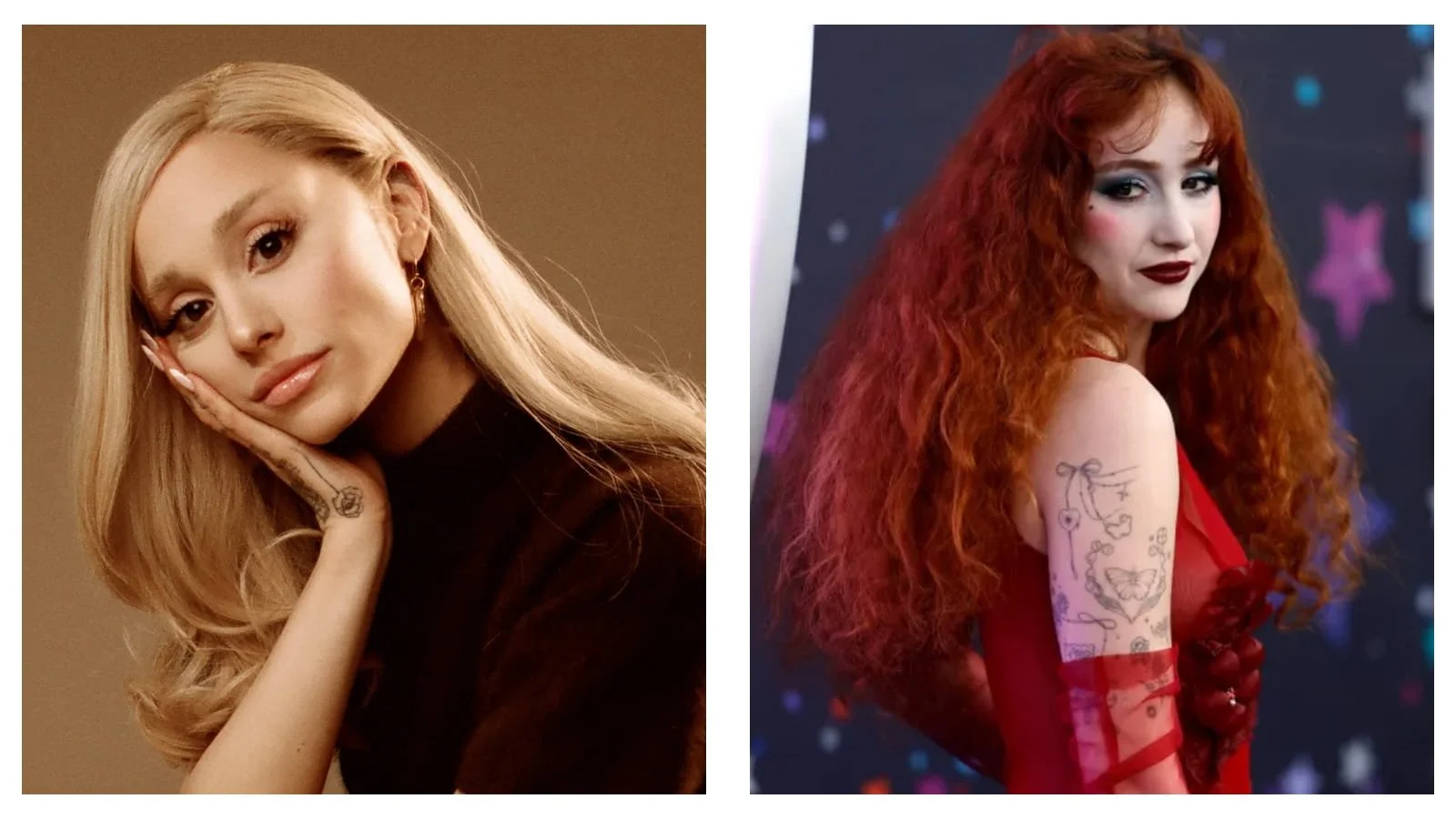
Some of the greatest and most listened-to artists of all time are women, but we still live in a day where sexism exists, and the media often focuses on female artists' bodies, romantic lives and clothing instead of their talents.
Here, Music News Blitz writer Megan Rogers-Jones looks at the depiction of some of the biggest female artists in the media.
Amy Winehouse
Despite having one of the most distinctive voices in her generation and still having millions of listeners years after her passing, the main headlines surrounding Winehouse were her personal struggles.
The headlines focused on her addiction, her weight and her relationship, and despite her music being Grammy-winning, her song ‘Rehab’ was often used against her and used to mock her addiction in the tabloids.
The media were obsessed with her 'downfall'; paparazzi would follow and harass her constantly, even in clear moments of distress, in hopes of catching her at her worst for the best headline.
Billie Eilish
Billie Eilish rose to fame at only 13 years old with her hit single ‘Ocean Eyes’, but despite being a child, she was not treated that way.
As a teenager, tabloids and paparazzi would often sexualise her and criticize her for always wearing baggy clothes, despite Eilish speaking out about the effect the commentary on her body had on her mental health.
When she turned 18, she decided to experiment with more fitted looks, and that is all the media could look at.
Despite having just released her hit album ‘WHEN WE ALL FALL SLEEP, WHERE DO WE GO?’, implying she was going through a transformation, others claimed she was selling out her sexuality.
Rhianna
One of the most famous R&B artists of all time, media coverage cares more for her personal life than her next album.
The singer has been shamed for concentrating on motherhood rather than her career, while also being shamed for working on her career as a mother (you really can’t please anyone as a woman).
She has, in the past, been involved in a publicly abused relationship, which was often sensationalised, and some outlets framed it as a piece of gossip or entertainment.
READ MORE: Jazz underpinned by nostalgia - but has paved the way for other genres
Ariana Grande
‘Wicked’ star Ariana Grande has had her fair share of unfair depiction in the media.
After the Manchester Arena attacks in 2017, Ariana showed great support to the families that had been affected by the attack and held a charity concert, ‘One Love Manchester’, to raise funds for survivors and victims' families.
Unfortunately, the media focused on her emotions and labelled her fragile, with some tabloids even blaming her for the attack.
In recent years, her weight has been the main focus, as she was labelled as ‘too thin’ by many tabloids while touring for the Wicked premiere.
Chappell Roan
Roan had a rapid rise to fame and was an overnight success, but has also been a voice for human rights.
But despite using her outlet to stand up for what she believes in, she is rather labelled as dramatic and outspoken.
And similar to the treatment ‘Lady Gaga’ endured, her bold and adventurous style is often scrutinised by conservative media as being too much.
Milly Cyrus
The ‘Hannah Montana’ transition into an adult musician was framed as some sort of scandal rather than growing up.
During her ‘Bangerz’ era, the media typically hypersexualised her performance, while others would label her as ‘too provocative’.
Outlets would fixate on her outfits and music videos rather than the musical and creative direction.
When she separated from her long-term partner, Liam Hemsworth – a relationship already treated as public property – she received all the blame in the tabloids with headlines labelling her as unstable or impulsive.
Despite the scrutiny these women face, along with many others in and out of the industry, they continue to persevere and redefine that power, and their resilience continues to prove every tabloid wrong.
READ NEXT: Music opinion: Geese review - Getting Killed tour storms through Manchester