10 years of La La Land: How a perfect musical film was created
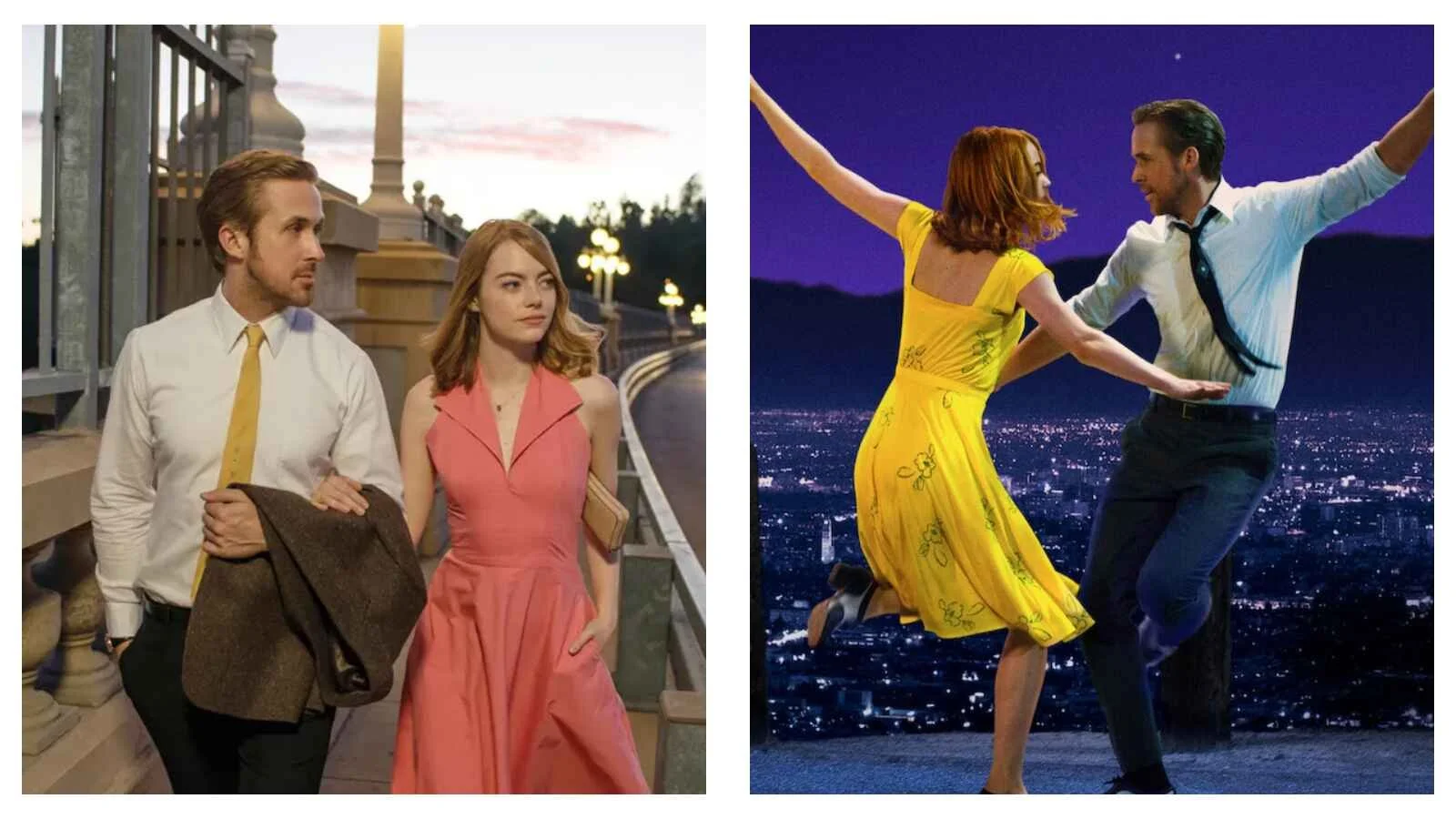
A movie that achieved huge successes on every front was bound to have brilliant music, but the end product provided by Justin Hurwitz is breathtaking.
With Damien Chazelle as director, fans of music-heavy films were already well aware of his work with Justin Hurwitz from the brilliant 2014 film, Whiplash.
Released in the summer of 2016, La La Land picked up an Academy award for both ‘Best Original Score’ and ‘Best Original Song’ (City of Stars).
The connection between what is shown on screen and what is heard from the score feels perfectly seamless.
Wonderfully orchestrated pieces of music match the vivid and energetic scenes which create some of the finest cinematic experiences in any film, writes Music News Blitz’s Gabriel Mills.
Interlinked musical themes
Sebastian (Ryan Gosling) is introduced to us as a talented and passionate jazz pianist which gives the score deep roots stemming from the genre.
The track ‘Herman’s Habit’ comes from a scene in a Los Angeles jazz bar and is an extremely infectious two-minute jazz piece.
With its uptempo swing feel, provided by a mixture of trumpet, saxophone, piano and percussion, it is absolutely one of my favourites in the film.
Alternatively, Mia (Emma Stone) is an equally talented and passionate actor, giving the film's score a completely different element with a feel of lively, classic musical theatre involved.
This side is seen best in tracks like the film’s opener ‘Another Day Of Sun’, ‘Someone In The Crowd’ and ‘Audition (The Fools Who Dream)’.
The two genres blend together which also aligns with the two characters being drawn to each other through passion for their respective art form.
A vibrant, dynamic score
When considering which adjectives best describe this film, ‘vibrant’ is by far my favourite to sum it up.
The soundtrack perfectly matches it, too. A mix of fast and energetic parts, slow and almost melancholic piano, moving orchestral pieces – Justin Herwitz really has covered it all.
The piano plays a particularly important role in being the constant in all different moods that the film takes us through and, believe me, it takes you through them all.
‘It’s exciting but it’s dying, Mia’
Jazz is a large part of the film through Sebastian’s passion for it and his desire to maintain one of music’s great sounds is a convincing argument too.
The earlier mentioned scene in the jazz bar with Mia is a musically important one in which Sebastian shows how exciting jazz can be in the flesh.
“It’s conflict, it’s compromise and it's new every time” is what Sebastian says while the flowing trumpet in ‘Herman’s Habit’ plays behind.
His passionate speech on the genre feels as directed to the audience as it is to Mia, who had her previously expressed dislike for jazz flipped around.
Beauty for the eye and the ear
There are several scenes which provide stunning cinematic experiences.
None more so than Sebastian and Mia’s scene in the planetarium however.
Four minutes of unpredictably wonderful music builds and drops – an elegant orchestral piece driven by soft flutes and emphatic string instruments accompanies the two on screen as they dance together.
The dream-like piece encapsulates exactly what is seen by the viewers – one of the most beautiful, romantic and visually stunning scenes.
YOU MAY ALSO LIKE: Music opinion: Why I won’t be watching the new Michael Jackson film — and why you shouldn’t either
City Of Stars
The award-winning original song, ‘City Of Stars’, first appears as a solo by Sebastian during the first half of the film in a low-key version.
It is later revisited as a duo with Mia and features a more powerful feeling, signalling the progression in their relationship and it is another wonderfully crafted song.
Written by Benj Pasek and Justin Paul and composed by Justin Hurwitz, piano takes centre stage with a steady melodic tune drifting through major and minor chords.
A superstar cameo
A musical cameo I just could not miss out is that from John Legend.
He appears as the singer of a band giving Sebastian the opportunity to join him on tour.
While in a dark, packed venue, the track ‘Start A Fire’ begins with Sebastian’s isolated piano accompanied by Keith’s (John Legend) vocals.
Following the intro, the song explodes into life with bright colourful lights and sound as the crowd erupt in reaction.
As did I when watching, it’s a supremely catchy and dance-inducing tune headed by powerful vocals.
It provides a mashup of pop, jazz, soul and gospel with a modern twist that works brilliantly as part of the film.
La La Land is hands down the best musical film I have ever seen having watched it again recently, a decade after its initial release.
I can confirm emphatically that it is still just as brilliant in every area of filmmaking and music.
READ NEXT: Music analysis: How Zara Larsson’s career led to her new remix album ‘Midnight Sun: Girls Trip’