Inside Leeds underground: The grassroot venues keeping music alive in 2026
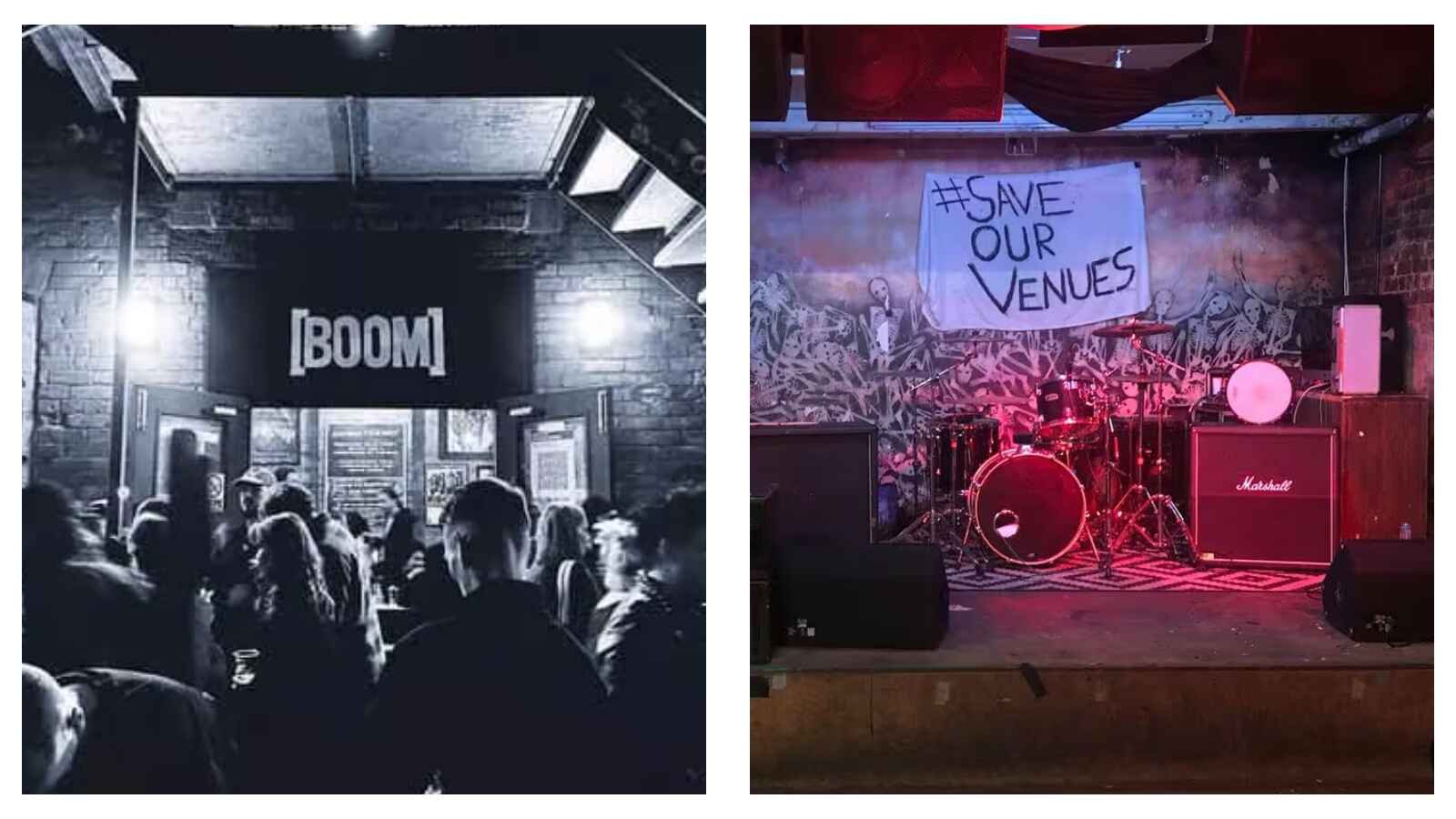
Look beyond the big stages and you'll see the small Leeds venues that shape the music scene. A £6 gig is great, but what about the reality of grassroot venues struggling to survive?
Picture this, you're in a small bar hidden away in Leeds, the floor is sticky, you're in a dimly-lit room, there's a small crowd of people with a band playing that no one really knows.
But the ticket was only £6 so you're not that bothered.
It feels like an intimate experience with the performer.
However, If you were there a few decades ago, it could have been Nirvana or Oasis on that stage.
Grassroot venues are where music starts, writes Music News Blitz’s Maisie Sharp-Fehr.
What is a grassroot venue?
Grassroot venues are usually considered as small spaces, usually independent, that are dedicated to hosting emerging talent.
Unlike many of the bigger venues, a grassroot venue focuses on original music rather than mainstream acts.
With fair prices, places like the Brudenell Social Club or Wharf Chambers aim to make music accessible to both artists and audiences.
Most importantly, it acts as a core pipeline for artists to discover themselves and grow.
Is it the price, the size or the community that defines them?
The gap left by big events
With this year's absence of the ‘Live at Leeds’ festival, smaller venues may be given more importance.They will have to fill the void, allowing an opportunity for independent venues to take ownership of emerging talent.
Its absence may also compel music fans to explore local talent, opening a new space for discovery.
This is why, more than ever, the survival of the grassroot music scene in Leeds is crucial.
A night in the scene
Throughout the night the crowd changes and so does the music.
Some people will just drift in for a drink, others lingering at the bar to slip out again whilst others arrive later, drawn into specific sounds.
Early sets tend to feel lighter, more subdued – then, gradually as the night progresses, the beats per minute (BPM) will increase.
The atmosphere follows that change, with what starts as a background buzz changing into something louder and more intense, pulling people closer to the stage.
By the end of the night, it's a different space within the same room, but with a different energy, different crowd, all shaped by the music.
There's a closeness to the artist that bigger venues can’t replicate, it is unpredictable with unfiltered intimacy.
Are grassroot venues changing?
More than ever, grassroot venues in Leeds are evolving rapidly with the times.
There are now more DJ and hybrid events, where music culture is blending live music with club culture.
As a result, the crowd is becoming more heterogenous, with different audiences sharing the same space rather than sticking to one genre.
Rather than fitting into clear categories, genres are increasingly blending together.
Grassroot venues are adapting, playing a vital role in the identity of music culture in Leeds.
YOU MAY ALSO LIKE: UK festivals: Hidden gems you may not have heard of - Gemfest, Gottwood and more

The tension: Costs and survival
Staying affordable whilst staying sustainable in grassroot venues across Leeds is becoming increasingly hard.
The rising costs of energy, staffing events and rent means that even small events are becoming more expensive to run, especially when ticket prices are kept low to ensure accessibility.
This imbalance highlights one of the many struggles that grassroot venues are facing.
This isn't new, we have seen it in the closing of The Duchess of York (2000), The Cockpit (2014) and The Old Red Bus Station (2025) – all of which are few of the many places in Leeds that are ‘casualties’ of its financial strain.
It's not a question of how much these venues can make, it’s how people are getting paid.
It may be cheap for audiences but sustainability for venues is uncertain.
Intimacy, discovery and cultural importance
If these venues disappear, it won't make music quieter, it will lose music's starting point.
In a world where music is driven by streaming numbers and algorithms, grassroot venues remain one of the last places where music can be discovered in real time.
These places don’t survive on reputation but by people showing up.
For the underground scene to last, it needs an audience as much as it needs artists.
Here are a few upcoming events to check out:
Paper/ Bedworm/ Hazel (The Key Club) - Wed 29 Apr
Better Days Festival (Beaver Works) - Sat 2 and Sun 3 May
Spinners present Wax Thief (Headrow House) - Fri 8 May
Tim Reaper /Betsy Mae / Sweetly (The Hifi Club) - Sat 9 May
Ruffkut presents: Sulphur B2B Malps (Distrikt) - Fri 22 May
READ NEXT: Music news: ‘Kiss All The Time, Disco Occasionally' – How does Harry Styles nail it every time?