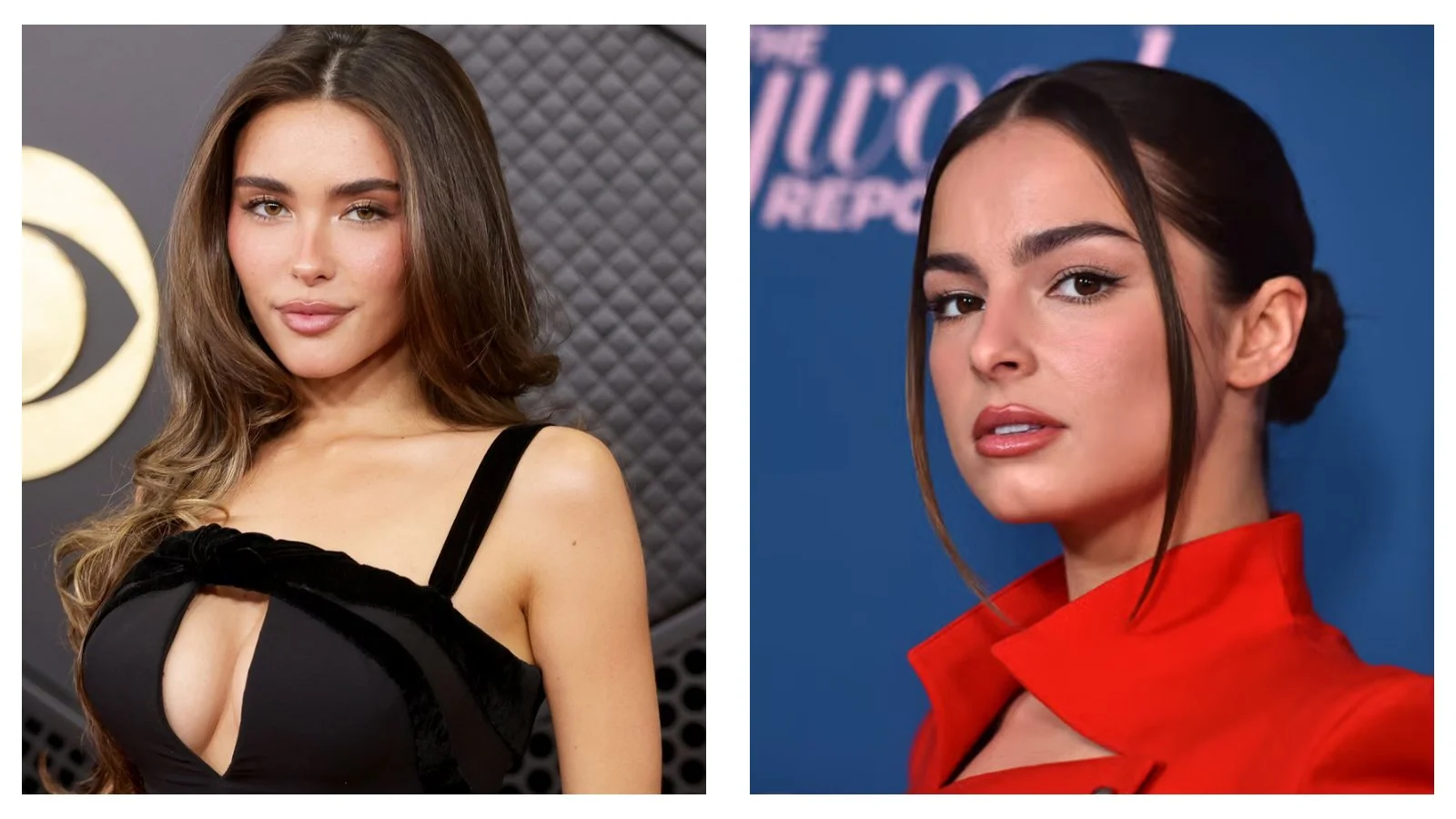
Artists such as Sabrina Carpenter, Madison Beer, Addison Rae and Chappell Roan have become some of the most recognisable names in modern pop music.
Unlike previous generations, many now build large audiences online before reaching mainstream success.
While talent remains essential, platforms such as TikTok have transformed how artists are discovered, promoted and discussed.
This has sparked debate about whether social media has created an entirely new type of pop star, writes Music News Blitz’s Jessica Spilsbury.
The TikTok effect
For decades, aspiring musicians relied on record labels, radio stations and television appearances to reach audiences.
Today, a single viral clip can introduce an artist to millions of listeners within hours.
According to TikTok Newsroom, 84% of songs that entered the Billboard Global 200 chart in 2024 initially gained traction on TikTok.
TikTok also reports that users in the United States are 74% more likely to discover and share music through social platforms. Its “Add to Music App” feature has generated more than one billion track saves.
Sabrina Carpenter’s 2024 hit ‘Espresso’ quickly became a fixture on TikTok feeds, showing how social media can propel a song far beyond traditional promotion.
However, viral success does not always guarantee a long-term career. While social media can provide artists with unprecedented exposure, sustained success still depends on factors such as strong music, live performances and audience loyalty.
More than just musicians
The rise of social media has also changed who can become a pop star.
Perhaps no artist illustrates this shift more clearly than Addison Rae, whose path to music stardom began through creating short-form dancing videos viewed by millions online.
Before launching her music career, Rae had already built an audience of more than 88 million followers.
Her transition from social media influencer to recording artist highlights how modern fame can be developed online before reaching traditional entertainment spaces.
This has blurred the lines between influencer, celebrity and musician in ways that would have been difficult to imagine a decade ago.
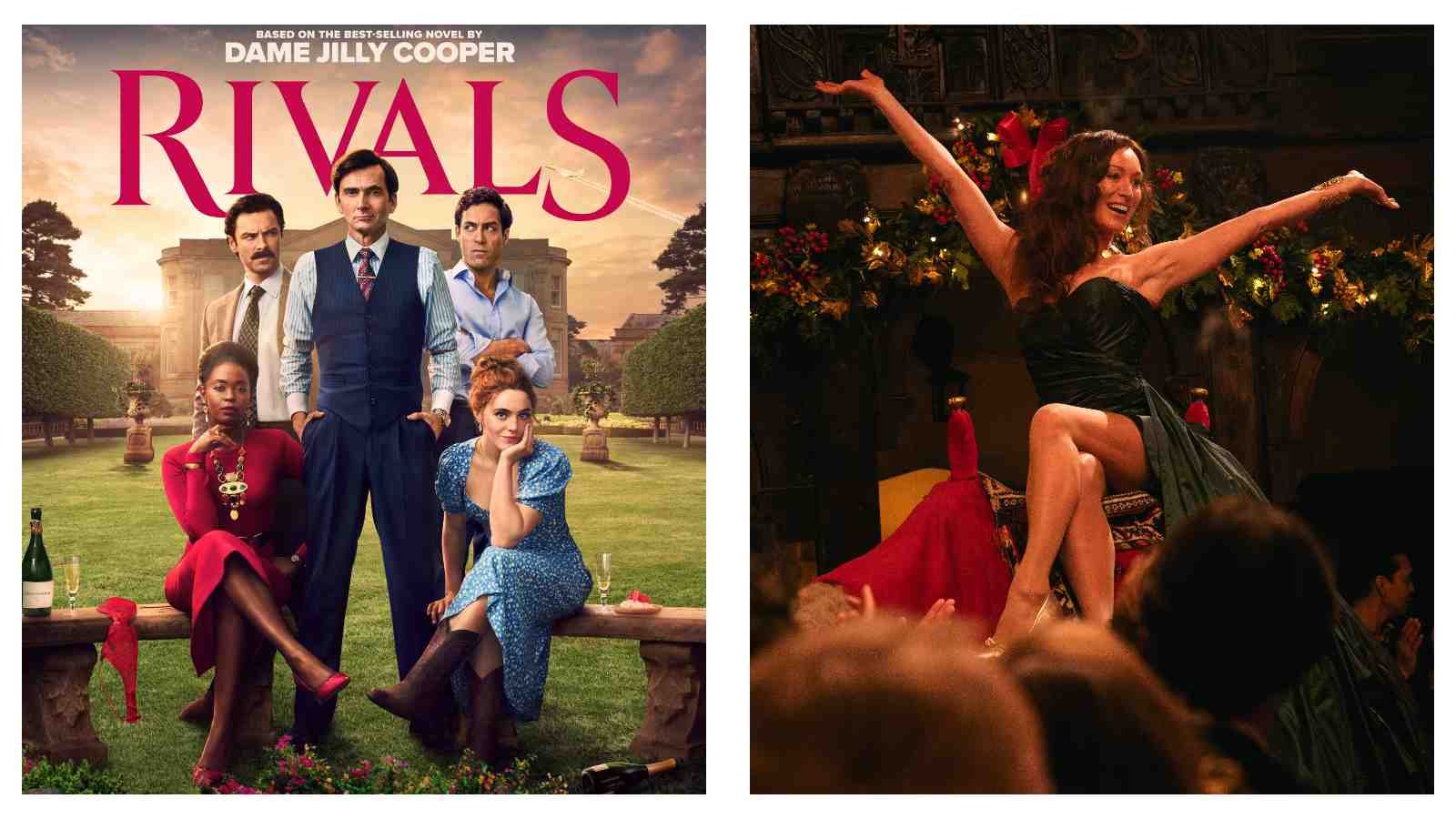
READ MORE: Music news: Disney’s ‘Rivals’ and the sounds of 80s nostalgia
The power of fan communities
Social media has also given fans a larger role in shaping an artist’s success.
From fan edits and concert clips to dance trends and discussion pages, online communities help keep artists in the spotlight between releases.
In many cases, fans act as unofficial promoters, helping songs spread across platforms through recommendation and word of mouth.
Clips from live performances can often reach millions of views online, introducing artists to entirely new audiences with a simple hashtag.
Madison Beer, a singer-songwriter who first gained attention in 2012 through YouTube, has built a dedicated online following throughout her career.
Meanwhile, Chappell Roan, a pop singer known for her theatrical performances and bold stage aesthetics, has seen her fans circulate live performances, recreating her stage outfits online.
These communities have become a powerful force in modern pop culture.
Success is no longer determined solely by industry executives, but increasingly by audiences who can influence trends with a single post.
The pressure of being constantly online
However, social media’s influence comes with challenges.
While artists now have greater control over their image, they also face significant scrutiny online.
Every post and performance can be discussed and criticised by millions of people within minutes.
Speaking to The Hollywood Reporter, Madison Beer described having a “really bad” relationship with social media, explaining that she feels “constantly anxious” and often wants to delete her social media accounts.
For modern artists, managing an online identity has become almost as important as creating music itself.
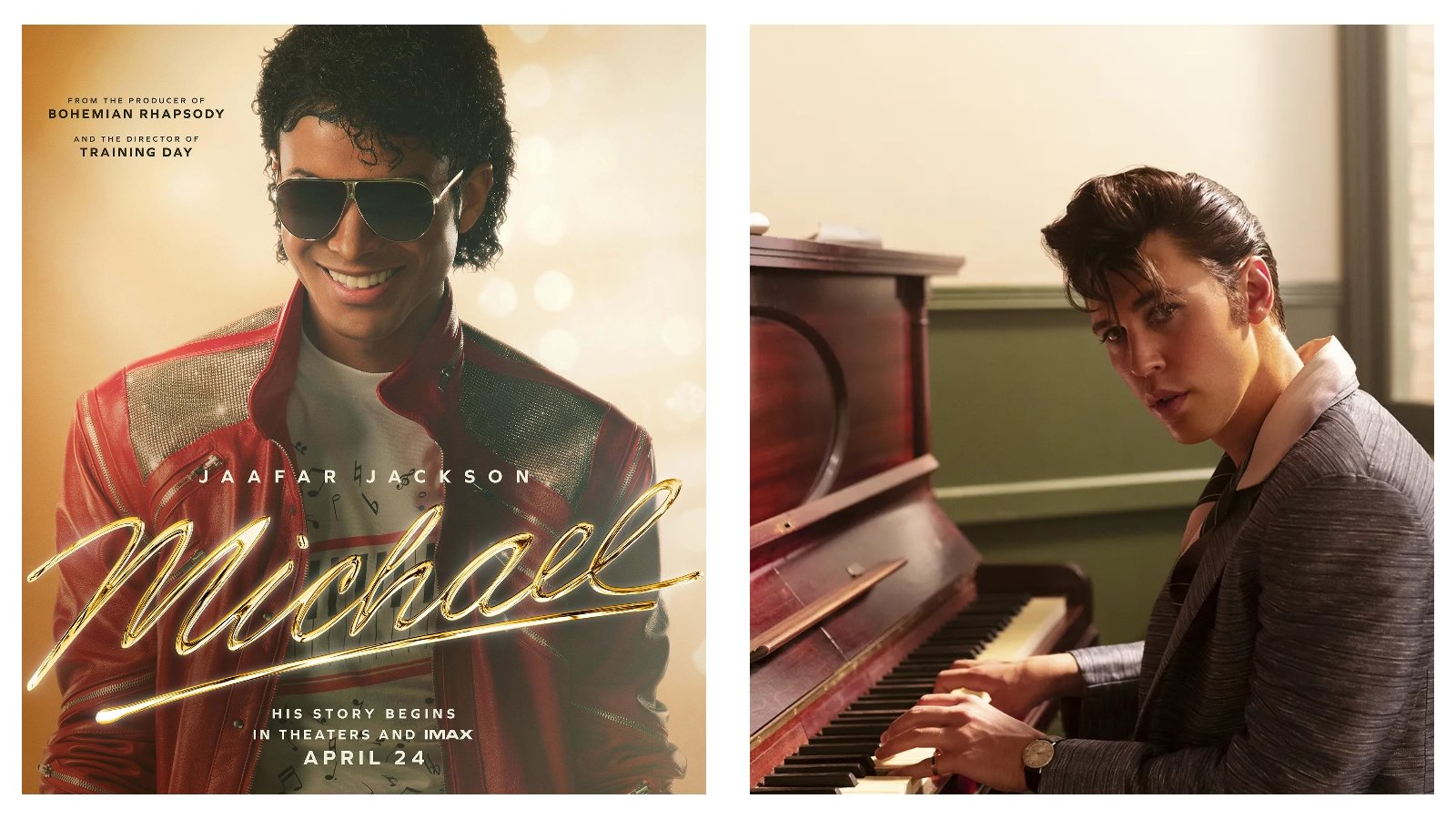
YOU MAY ALSO LIKE: Music opinion: Why music biopics such as ‘Michael’ have become so popular
A new definition of stardom
Pop stars have always reflected the era in which they exist. Today, that era is defined by social media.
In an interview with Vogue, Addison Rae pointed to Britney Spears’ career as an example of how fame has changed.
“Britney came up during a time when there wasn’t social media, so she couldn’t defend herself,” Rae said, adding that social media allows artists to “have your own narrative” and “control your narrative.”
While talent, songwriting and performance remain essential, social media has transformed how artists build audiences and navigate fame.
The modern pop star is no longer shaped solely by record labels and radio play, but also by fan communities, algorithms and direct communication with millions of followers.
As artists continue to take greater control of their public image and connect directly with fans, social media is not just changing how pop stars are discovered - it is reshaping what it means to be a pop star.
READ NEXT: Music analysis: The evolution of independent artists in the music industry