Music analysis: The death of the music video - or its reinvention?
From Michael Jackson’s Thriller to Lady Gaga’s Bad Romance, music videos were once a major cultural event, writes Music News Blitz’s Jessica Spilsbury.
Fans would tune in to television premieres, while artists invested millions into elaborate productions designed to become talking points around the world.
Today, many songs find success through 15-second clips on TikTok before audiences ever watch a full music video.
At a time when music competes for attention alongside streaming services, social media feeds and endless digital content, the role of the traditional music video appears to be changing.
As social media increasingly shapes how music is discovered and shared, a new question has emerged: are music videos disappearing, or are they simply evolving for a new generation?
When music videos ruled pop culture
The music industry was transformed in 1981 with the launch of MTV, a television channel dedicated entirely to music videos.
Its first broadcast was fittingly Video Killed the Radio Star by The Buggles, signalling a new era in how music was promoted and consumed.
For decades, music videos became essential to an artist’s success. They were no longer just advertisements for songs but cultural moments in their own right.
Some artists invested enormous budgets into creating cinematic experiences.
Michael and Janet Jackson’s Scream reportedly cost around $7 million to produce, making it a Guinness World Record recognised as one of the most expensive music videos ever made
Music videos helped define artists’ identities, shaping everything from fashion trends to performance styles.
At their peak, music videos were often discussed almost as much as the song themselves.
READ MORE: Music news: Disney’s ‘Rivals’ and the sounds of 80s nostalgia
The YouTube revolution
The arrival of YouTube changed the way audiences watched music videos.
Rather than waiting for television broadcasts, fans could instantly access videos from anywhere in the world.
In 2012, South Korean artist Psy’s Gangnam Style became the first YouTube music video to surpass one billion views, demonstrating the platform's worldwide reach.
Today, Luis Fonsi and Daddy Yankee’s Despacito remains the most-viewed music video on the platform, with more than nine billion views.
Enter Tikok
If YouTube changed where audiences watched music videos, TikTok has changed how they discover music.
Many listeners now encounter songs through short clips, fan edits, dance challenges and viral trends rather than official music videos.
In many cases, a song becomes popular before audiences have even seen its accompanying visual.
According to TikTok Newsroom, 84% of songs that entered the Billboard Global 200 chart in 2024 gained traction on TikTok before charting.
Only 4% entered without a prior viral moment, highlighting the platform’s growing influence on music discovery.
This shift reflects a wider challenge facing music videos in the digital age.
Speaking to The Guardian, music video director Bradley J Calder argued that artists are now competing for attention far beyond the music industry.
“We’re living in a media consumption age where you have to compete with everything, everywhere, all at once,” he said.
“You’re not just up against other music videos, but Netflix, Spotify, TikTok and your own camera roll on your phone.”
Songs such as Sabrina Carpenter’s Espresso and Chappell Roan’s Good Luck, Babe! became widely shared across social media, demonstrating how online trends can help propel tracks into mainstream success before many listeners have even watched the official music video.
Reinvention rather than extinction
Despite these changes, reports of the music video’s death may be exaggerated.
Many artists continue to invest heavily in visual storytelling. Taylor Swift, Billie Eilish and Sabrina Carpenter have all used music videos to expand the narratives surrounding their music and strengthen their artistic identities.
Recent releases suggest artists still see value in ambitious visual storytelling.
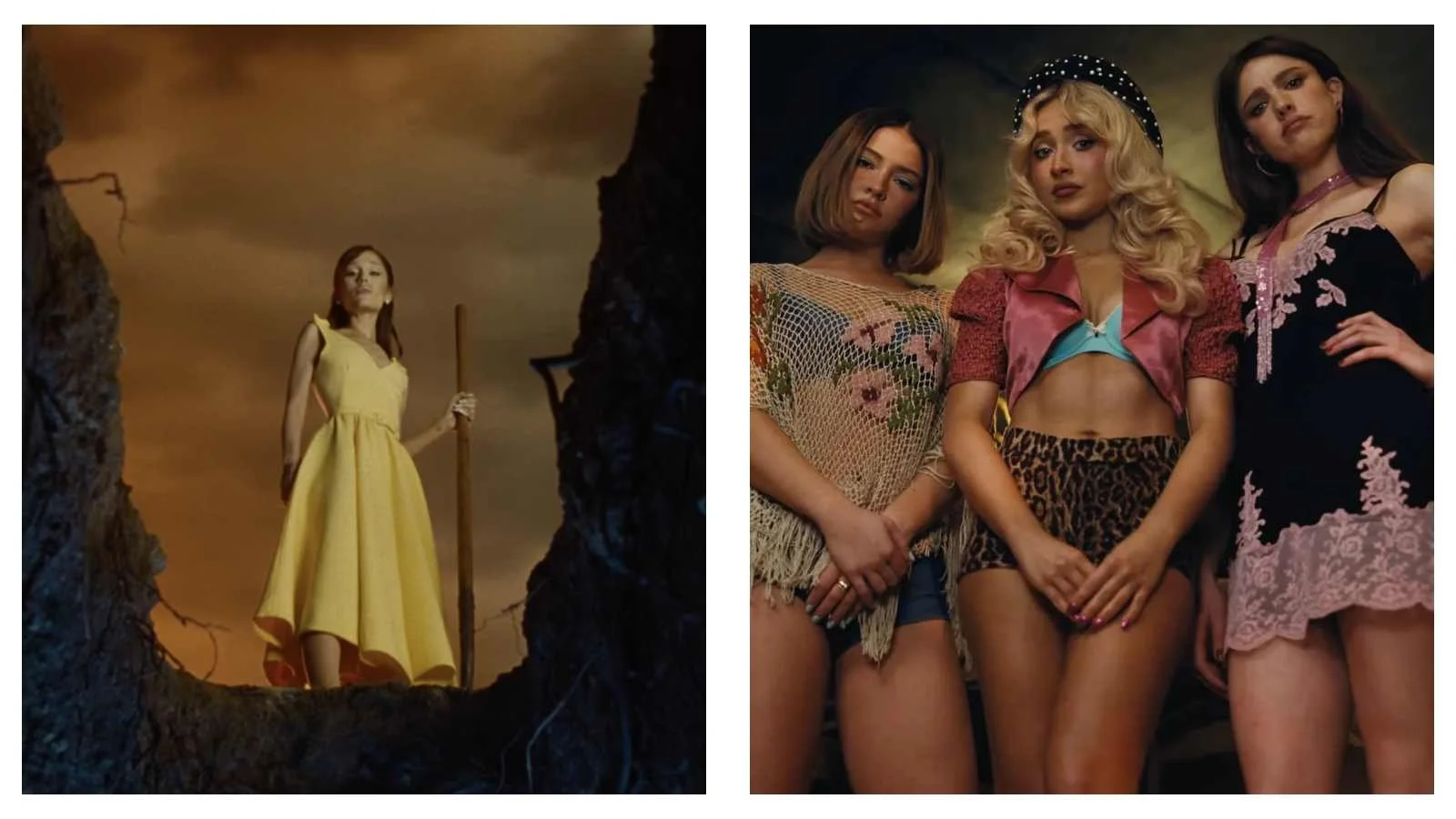
Ariana Grande’s 2026 video for Hate That I Made You Love Me, featuring actor Justin Long, adopts a 1950s-inspired horror narrative, showing how music videos can still function as creative projects in their own right rather than simple promotional tools.
Moments like these suggest audiences still value visual storytelling, even if they now consume it differently.
Rather than disappearing, they have adapted to a generation that consumes music across multiple platforms.
In an era defined by scrolling and endless competition for attention, the challenge is no longer getting audiences to watch a music video- it is convincing them to stay for the whole thing.
The music video may no longer dominate popular culture as it once did, but its ability to shape an artist’s identity suggests it still has a place in the modern music industry
READ NEXT: Music opinion: Why music biopics such as ‘Michael’ have become so popular