Music analysis: Virtual concerts – a growing trend in the music industry
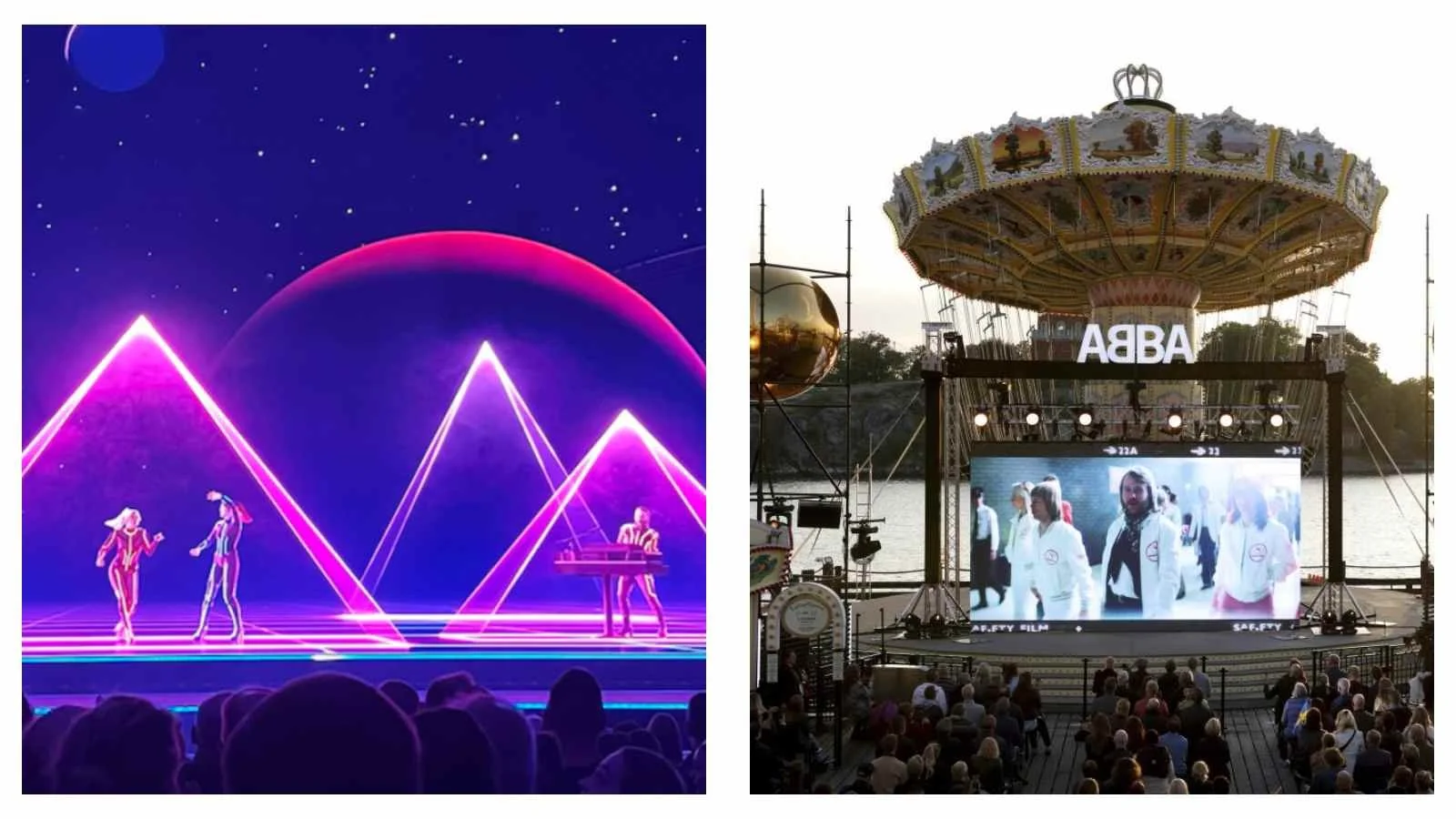
Since the breakthrough of ABBA Voyage, the virtual concert that began in May 2022, the rise in the digital concert experience has only increased amongst fans.
Whilst there has been speculation that the ABBA Voyage might close its doors, the production has repeatedly extended its run due to high demand, transforming the possibilities of live entertainment, writes Music News Blitz’s Emma Corrigan.
As one of the first examples of what can be created in contemporary music production, the holographic experience has defied the expectation of technology, allowing audiences to momentarily escape reality.
For audiences who are too young to have seen ABBA in concert, and audiences who want to reminisce about some of the most iconic hits of the 1970’s, the virtual experience recreates the band's classic stage presence, continuing their timeless soundtrack and recognising their cultural impact.
This can also be observed through the balance of technology and tradition.
Embracing a more traditional concert experience, the ABBA Voyage bans the use of phones or cameras.
Whilst the leaked footage would be a major spoiler for audiences about to see the show, the phones could interrupt the viewing experience.
However, this ultimately creates a more “in the moment” feeling.
As audiences are less dependent on the best footage they have taken, the immersive experience of memory in real time constructs a closer feeling to the actual performances – showing how it engages both futuristic and technological innovation for an authentic ABBA concert.
YOU MAY ALSO LIKE: Music analysis: The death of the music video - or its reinvention?
How has the ABBA Voyage inspired other virtual concerts?
With ‘Elvis Evolution’ currently being showcased in London, the virtual concert experience continues to develop and reshape the music industry.
Earlier examples of digital and “hologram” performances – such as Michael Jackson performing Slave to the Rhythm at the Billboard Music Awards in 2014 and Tupac Shakur at Coachella in 2012 – demonstrate that these advances have been increasingly used to reshape how audiences experience live music.
However, even artists that have not passed are incorporating virtual reality (VR) into their performances.
It was picked up at Lana Del Rey's UK and Ireland Tour in 2025 that during one of her songs it was not her performing, but a hologram.
Despite it being a part of the stage composition, many audiences found it interrupted the atmosphere, and found it frustrating that she was not physically there to perform it herself.
VR provides a significant platform in the music industry, offering new ways to see older artists and to enhance modern day performances while preserving the thrill of a live concert.
READ NEXT: Music news: Summer Walker's ‘Still Finally Over It’ - R&B star enters her arena era