Music news: Why cathedrals are becoming the new concert venue
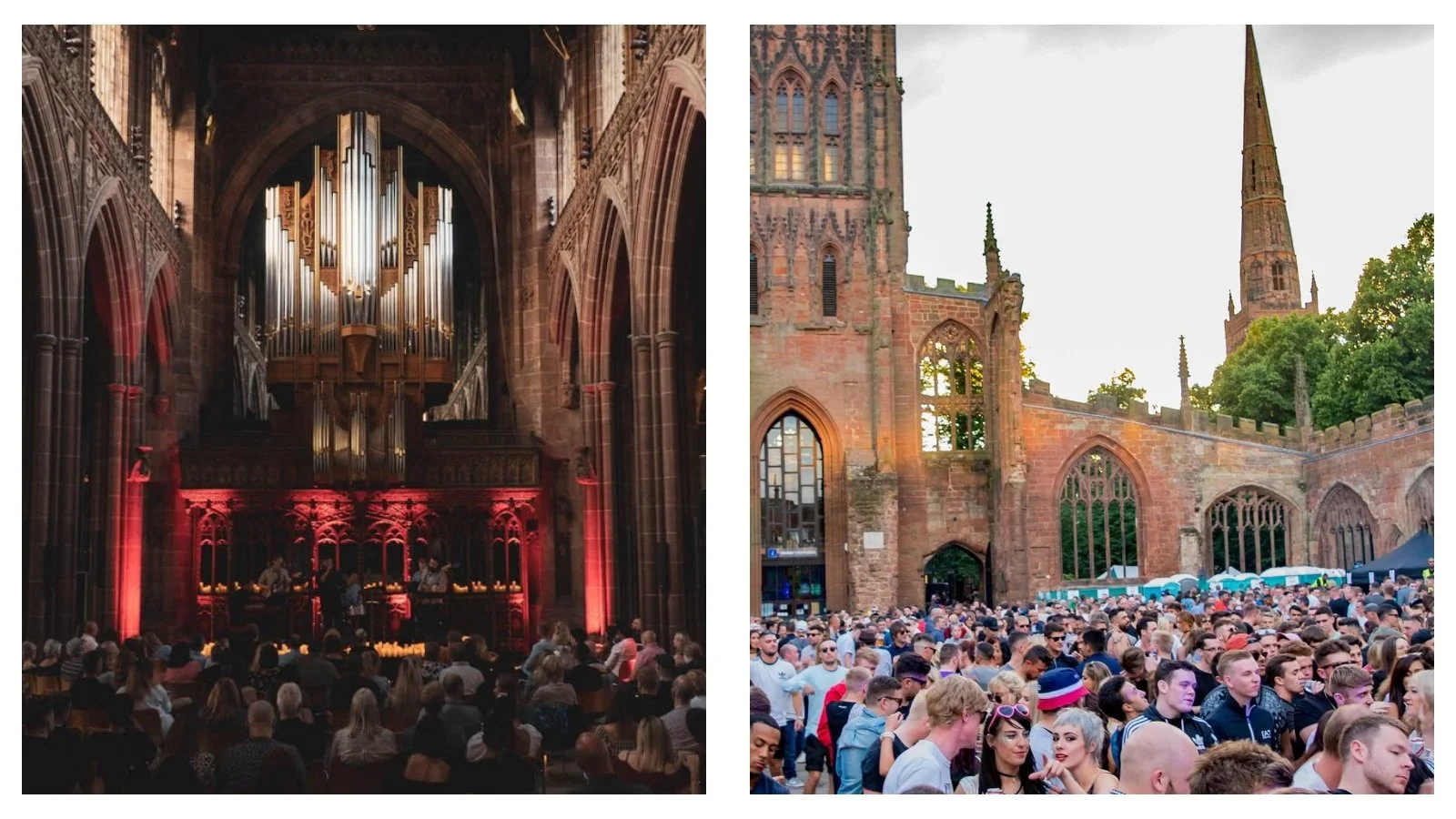
In a move that some may view as controversial, more cathedrals across the UK are offering their space as music venues, writes Music News Blitz’s Emma Corrigan.
As they continue to maintain worship and traditional religious practices, cathedrals have seen a gradual decline in visitors over the years, with people still going to cathedrals for Christmas or Easter, but with less people overall turning up on a Sunday.
Because of this, hosting a variety of musically based occasions has become embedded into cathedral activities, utilising this as a contemporary method of funding the historic buildings.
This includes hosting tribute bands, concerts by candlelight, silent discos and even ceilidh dances, which are in keeping with British and Celtic heritage that require a large space.
As cathedrals have always been held as musical spaces, they are now evolving to keep up with modern times.
Whilst they try to maintain the balance of attracting younger visitors and holding onto cultural history, they are increasingly trying to reimagine the idea of “going to the cathedral.”
Unlike concert venues that are typically held at stadiums, festival grounds or theatres, the cathedrals offer a rare insight into music, with powerful acoustics and an immersive experience that transform the sound of live performance into something resonant.
Just a few of the cathedrals that have been doing this include: Coventry Cathedral, Manchester Cathedral, Ely Cathedral, Southwark Cathedral and Gloucester Cathedral.
YOU MAY ALSO LIKE: Taylor Swift announces new single ‘I Knew It, I Knew You’ for ‘Toy Story 5’

Starting music career from joining a choir
By attracting younger audiences, and not just for the pop music entertainment aspect, the events also act as a stepping stone to encourage children in joining the choir, appreciating both contemporary and choral music to learn the foundations of music education.
Some musicians that started their career by joining church choirs include; Beyonce, Adele, Bruno Mars, Ed Sheeran and Amanda Seyfried.
After getting a taste of music, and the possibilities that it provides, many go on to develop a passion for performance, building the confidence and skills that lead them towards a career in the music industry.
So if cathedrals are seen as breaking tradition by opening their doors to a wider range of music outlets, what alternatives are there for raising money and influencing more people and younger generations to engage with it?
As more cathedrals establish themselves as concert spots, they have ultimately served a variety of solutions from securing funding to churches across the country, supporting music careers and offering and encouraging new generations to experience what cathedrals have to offer.
READ NEXT: Music analysis: Why older music is making a comeback