Music reaction online content: Unlocking your personal perspective or constraining it?
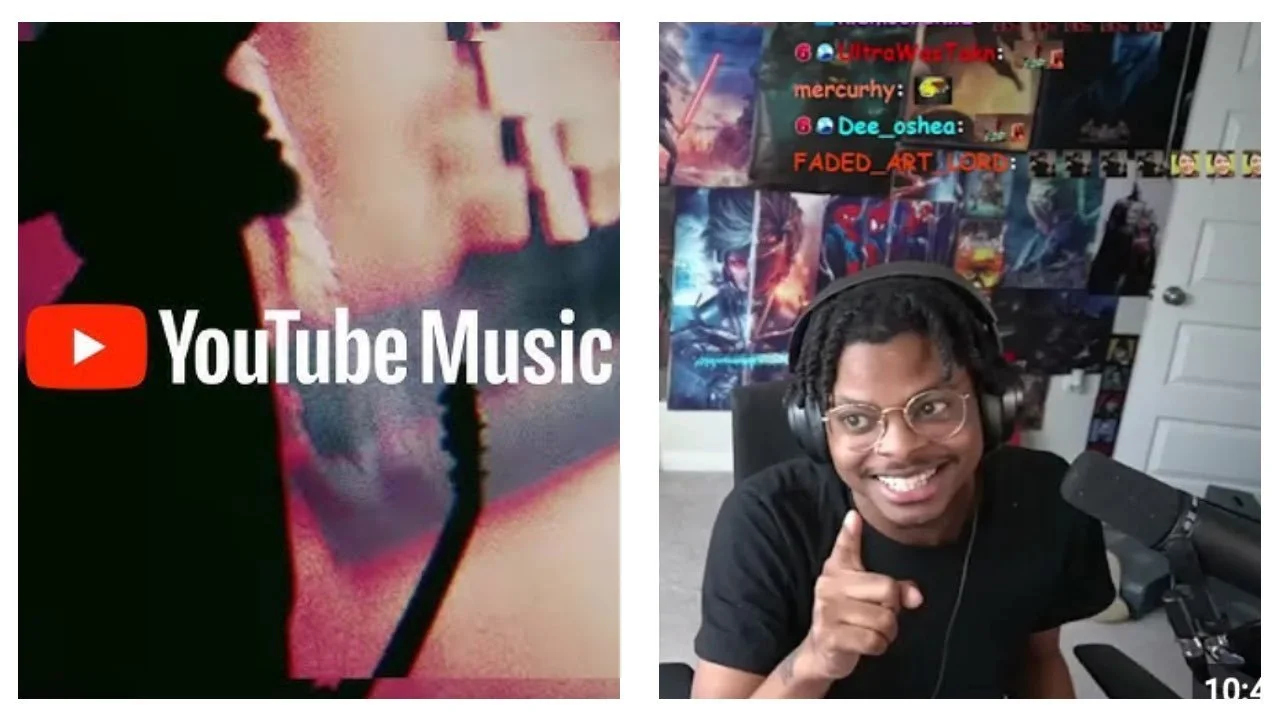
Music News Blitz writer Zach Heynes explores the online phenomenon of music reactions, a subgenre of content creation where influencers share their live reactions to a song or album.
As the digital landscape has evolved, countless branches of different genres and formats have emerged in online content.
For example, if music is considered as a category, there are tons of sub-genres that fall under it.
From music videos to production breakdowns to tutorials, covers, analyses, or reviews, everything has its place in the content ecosystem.
However, the idea of music reactions is quite a peculiar case.
The act of listening to music is transformed from a personal, subjective experience to an observed one.
So, what is the point of watching somebody else listening to music instead of just listening to it yourself?
Listening to music or watching it?
Music reaction creators are digital personalities whose primary content format involves their reactions and opinions to songs, music videos, artists, or albums.
Livestreaming is often their primary medium as this allows real-time reactions and interactions with their audiences.
Sometimes, users might be hearing a song or project for the first time while watching a reaction creator.
On other occasions, they could be watching a reaction to a piece of music they already know well.
In both cases, the music is not the sole focus of the listener.
Instead, it is the reaction creator, and this highlights exactly what the allure is.
YOU MAY ALSO LIKE: Music analysis: Why music feels less monumental in the streaming era

The creator is key
Each creator and their reaction brings a different aspect to the music through their personal taste, content style, and presentation.
With every different channel, the listening experience takes a new shape, beyond what one’s unique experience alone might be.
Some creators have garnered a following because of their insight and informed opinions, either constructed over years of passion for a specific genre or from having a background in music themselves.
These channels provide an amazing platform to appreciate music in a new light by learning about cultural inferences that come from their years of compounded dedication while also being wholly entertained in the moments in between.
But music reactors don’t have to necessarily be music gurus.
Many popular reactors are average fans, and sometimes a reaction might be one of numerous other content formats they produce.
However, they too play a role in the appeal of music reactions as there is a comfort and a sense of mutuality in watching ‘the everyman’ and their interaction with a specific song or album.
Being drawn to the opinions of others
The average social media user is often drawn to personalities they find interesting, and there is definitely a required charisma to find success in an online space.
This extends to all facets of influencer culture and it is similarly the case for how reactors build audiences.
When viewers see alluring personalities interacting with music they already find interesting, it invites them to reframe their own thoughts about that music and enter the perspective of the creator.
In this way, music reaction content is one of many examples of what can make social media influencers so appealing.
To think ‘historically’ (the term is used liberally considering the internet’s short lifespan), gaming creators were really at the forefront of this; people have been watching somebody else playing a game instead of playing it themselves since the earliest days of YouTube.
But as the space has evolved, the same sentiment has extended to groups like travel creators, IRL streamers, filmmakers, and more.
No matter what the topic, creators with the right personalities reap the benefits of this phenomenon by ‘doing the thing’ and packaging it for your entertainment and consumption.
MORE BY ZACH HEYNES: Great films, greater soundtracks - underrated music from popular films
The double-edged sword
There is concern about this style of content, however.
It can be easy for people to become hyper-dependent on the opinions of creators, and it is fairly common to see a creator’s community evolve into something tribal, much like any other public figure with a fanbase.
While it can facilitate a like-minded social space, it can leave impressionable fans afraid to seek out their own experiences or form their own independent thoughts.
There is also a reason why so many social media audiences develop parasocial relationships with the influencers they watch, especially livestreamers.
Because the content being shared is so personal and opinionated, audiences often misunderstand their relationship and the illusion of intimacy in the content.
The positive side
On the other hand, there is certainly merit in inviting somebody to step outside of their own head and expand their perspective.
Listening to somebody else’s thoughts can reveal music in a new light, allowing you to discover what you agree and disagree with or hear things you hadn’t noticed before.
Other times, following a dedicated reaction creator can expose you to new music and artists that you may never have encountered otherwise.
Some might say the wonder of art comes from its subjectivity.
While that may make experiencing art an inherently individual experience, immersing yourself directly into the interpretations and reactions of another allows you to navigate the variations of subjectivity firsthand.
This ability to constantly challenge the barriers of your perspective is one of the positives of social media content creation.
However, it only really works if you remember to have your own thoughts too.
READ NEXT: Olivia Rodrigo: The cure to the cultural devaluation of ‘Girlhood’