

Why artists are looking beyond streaming to get their music heard
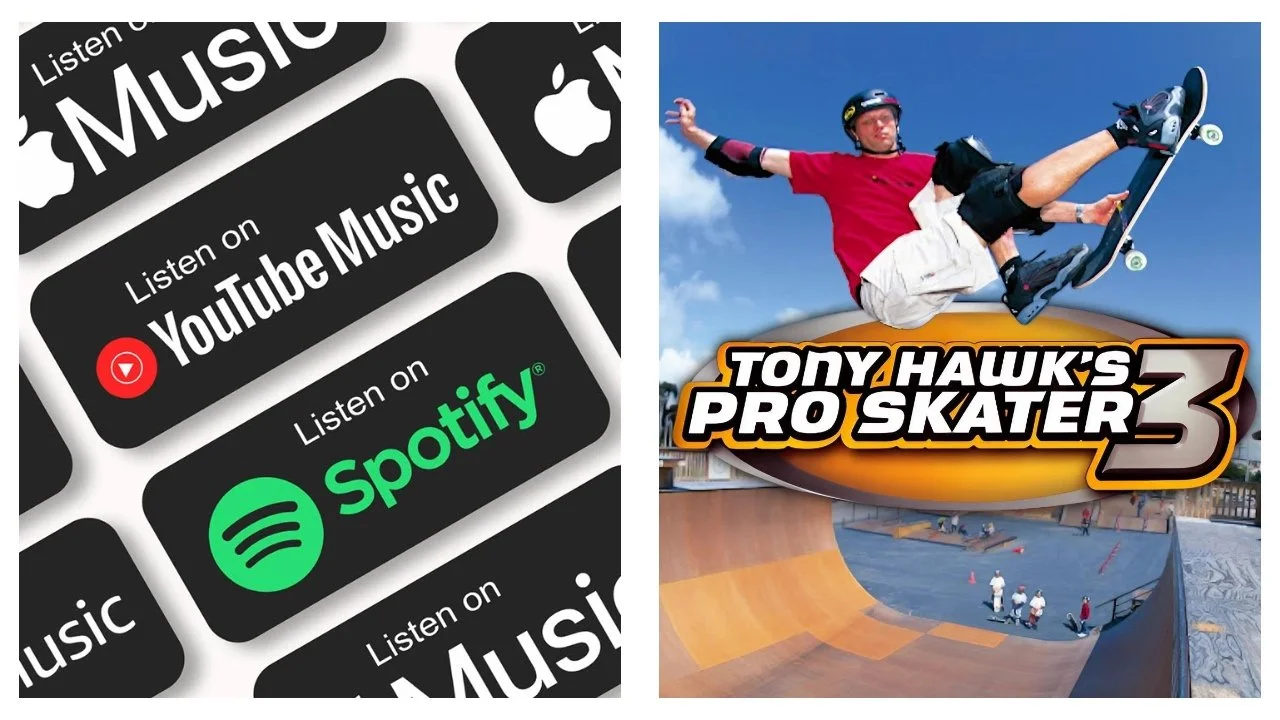
Musicians have struggled over the past couple of decades, first with rampant piracy in the early MP3 and file-sharing era around the turn of the millennium, then with the shift to subscription-based streaming services, which brought concerns about per-play payouts and discoverability.
In this context, it’s not difficult to appreciate why artists are incentivized to turn their attention to other mediums as a means of getting their music heard and building an audience that can make this a viable career as opposed to just a passion.
The Saving Grace of Gaming
Gaming has had close ties to music since its inception, and game soundtracks are places where people can discover new songs, and have been for quite some time now.
Harking back to the late 90s and early 2000s, the Tony Hawk’s Pro Skater series is partly responsible for introducing an entire generation of people to punk rock, hip hop, metal, and a range of other niche genres, as well as pulling obscure bands within them into the mainstream.
That approach still applies today, and artists queue up to get their songs considered for big releases, or to go even further and work on the score for game projects.
Sure, this applies to major titles, but what about music for smaller releases, like for slots?
Again, wherever there’s a game being made, audio is a core part of development, and it’s a medium via which audiences can be reached and reputations built, even in an online casino context.
Escaping the Algorithm
Finding a space beyond streaming has been doubly incentivized by the fact that musicians are rightly sick of having to work around the algorithms used by platforms like Spotify and Apple Music in order to attract a listenership.
Even if an artist manages to get their music featured in human-created playlists or included in algorithmically put together ones, the issue here is how music consumption has become passive.
If tracks are just streaming one after the other in the background, then the listener won’t really be aware who or what they’re listening to.
And that level of passivity doesn’t translate into album or tour sales.
Serving Fans Directly
While the algorithm has a hold over streaming, there’s still an opportunity for musicians to monetize their work if they’re willing to go direct to fans, and do things the old fashion way in terms of drumming up interest and getting some momentum into their career.
Bandcamp has been particularly useful for this, at least for those happy with digital distribution.
Integrating webstores along with physical releases, sold direct to fans with as little money going to middle men as possible, is another upside.
One-off purchases aren’t enough to keep most smaller artists solvent, and so subscription-based services like Patreon and Substack can be combined with record sales as a way of generating income from a fanbase.
There’s still an uphill climb awaiting any musician who sidesteps streaming, or at least looks beyond it to forge a career.
But the fact that alternatives exist and there’s fan demand for them should be celebrated.
READ NEXT: Music news: The Weeknd debuts new song 'Tokyo' with Yoko Takahashi in Japan
