Music analysis: Can AI ever create a genuine hit song?
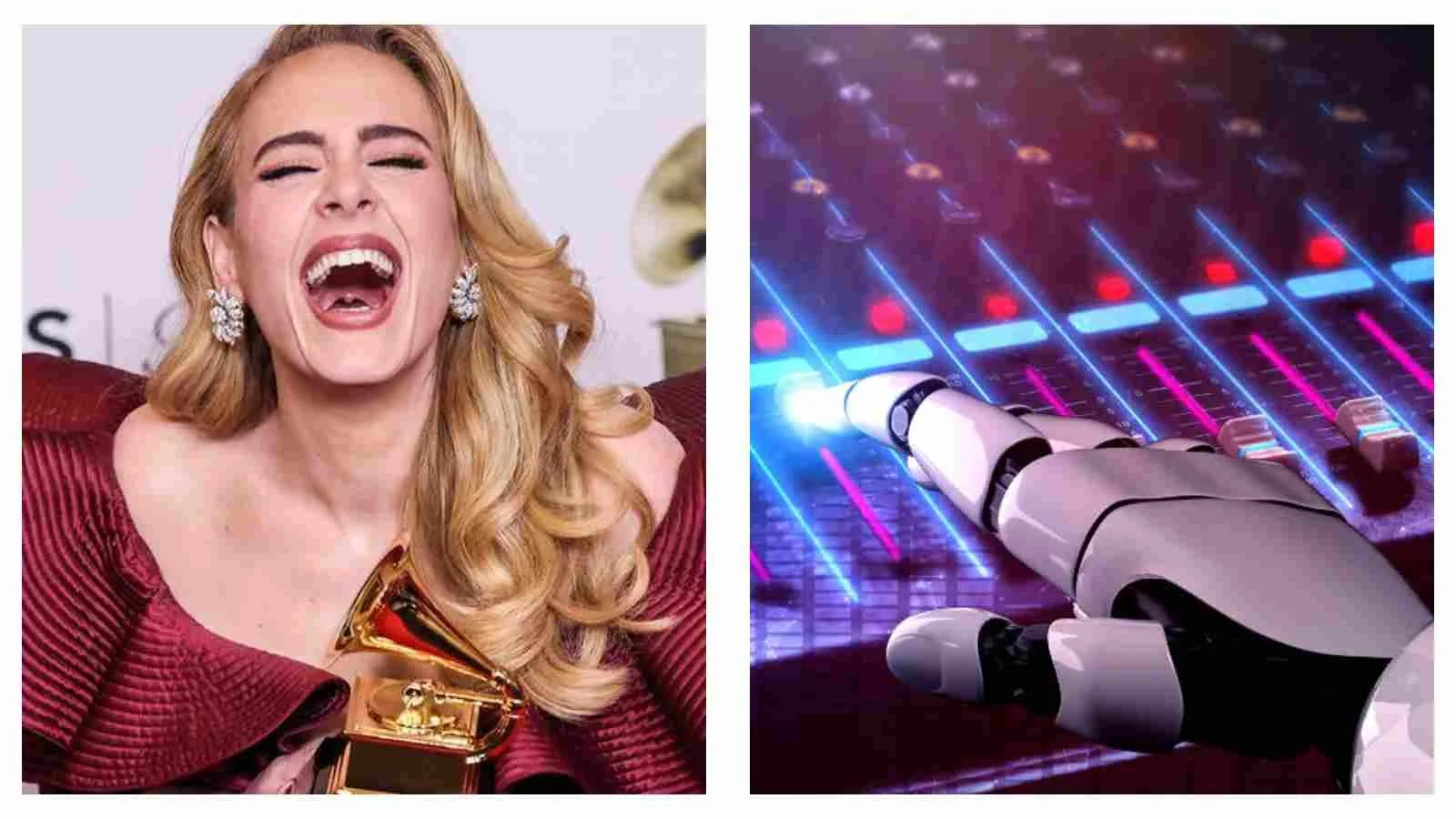
From AI-generated songs mimicking Drake, to platforms capable of producing new music in seconds, artificial intelligence is becoming increasingly involved within the music industry, writes Music News Blitz’s Jessica Spilsbury.
What was once viewed as science fiction is now a reality, with AI tools able to generate lyrics, melodies and even imitate the voices of famous artists.
As the technology continues to develop, one question remains: can AI create a genuine hit song, or is there still something uniquely human behind chart success?
AI is already changing music
Artificial intelligence is no longer a distant concept within music.
Platforms such as Suno and Udio allow users to generate original songs from simple text prompts in a matter of seconds.
App data suggest that around seven million songs are being generated per day.
The debate reached a new level in 2023, when Heart on My Sleeve, an anonymously produced AI-generated song featuring cloned vocals resembling Drake and The Weeknd, went viral online.
The AI-generated track received over 20 million listens and views before Universal Music Group took it down.
Many listeners believed it was a genuine collaboration between the two artists, which meant that many were shocked to discover that it was in fact computer generated.
So where exactly does this leave AI?
The track sparked widespread discussion about copyright, creativity and the future of music production.
More importantly, it demonstrated just how convincing AI-generated music can become.
What actually makes a hit song?
Despite these technological advances, creating a successful song involves more than simply generating a catchy melody.
Many of today’s biggest stars have built careers on personal storytelling and emotional connection.
Artists like Adele have connected with audiences through her deeply personal lyrics, while Beyoncé’s releases often become worldwide cultural moments that extend far beyond just the music itself.
Similarly, Harry Styles’ song As it Was and Billie Eilish’s What was I Made For? resonated with audiences not only because of their sound, but because listeners connected with the artist's background and the messages behind them.
A hit record is often shaped by identity, timing and emotional connection - factors that remain difficult even now to replicate through technology alone.
The music industry remains divided
The rise of AI music has generated plenty of mixed reactions across the industry.
Some view artificial intelligence as creative tools that could further help artists experiment with new sounds and ideas.
Others have raised concerns about copyright, ownership and the use of artists’ voices without permission.
Canadian musician Grimes has taken on a far more pro-AI approach, reportedly announcing in 2023 that people could use AI versions of her voice and share the royalties with her.
She tweeted: “Same deal as I would with any artist I collab[orate] with. Feel free to use my voice without penalty.”
Musicians like Sir Elton John, meanwhile, have publicly warned listeners about the potential risk of AI-generated content and the risk it poses against musician creativity.
Speaking to The Guardian, Sir Elton argued that “anyone who is able to create something they passionately care about deserves to have their work protected”.
As AI becomes increasingly sophisticated, concerns around protecting human authenticity more than ever have moved to the centre of this debate.
MORE FROM JESSICA SPILSBURY: Music analysis: The death of the music video - or its reinvention?
Could audiences embrace an AI hit?
At the same time, music consumption habits are in fact changing.
Many listeners now discover songs through TikTok trends, short clips and viral moments before really learning much about the artist behind them.
In some cases, a catchy chorus may even matter more than who created it.
This raises an interesting possibility.
If an AI-generated song was released anonymously and became a viral sensation, would audiences care that it was created by a machine?
For some listeners, the answer may be no.
For others, knowing that a song was written from genuine human experience remains an important part of its appeal.
The human factor
AI may eventually become capable of producing songs indistinguishable from those written by humans.
However, chart success has never depended solely on melodies or lyrics.
The biggest artists build communities, tell stories and create cultural moments that audiences connect with long after a song is released.
Artificial intelligence may be capable of writing a song, but whether it can create the human connection that turns a track into a genuine hit remains far less certain.
READ NEXT: Music analysis: Has social media created a new type of pop star?